
If you’ve noticed your vehicle losing power, using more fuel than usual, or producing an unusual smell from the exhaust, your catalytic converter could be the cause. Recognizing catalytic converter failure signs early can help prevent more expensive repairs while keeping your vehicle running efficiently.
The catalytic converter is one of the most important parts of your vehicle’s exhaust system. It converts harmful gases produced by the engine into less harmful emissions before they leave the tailpipe. When it begins to fail, it affects much more than emissions. Engine performance, fuel economy, drivability, and even the lifespan of other components can all suffer.
While some catalytic converter issues develop gradually, others appear quickly after another mechanical problem damages the converter. Understanding the warning signs helps you know when it’s time to visit an auto repair shop before the problem gets worse.
What Does a Catalytic Converter Do?
Your catalytic converter sits within the exhaust system between the engine and the muffler. Inside the converter is a ceramic honeycomb coated with precious metals that trigger chemical reactions to reduce pollutants produced during combustion. A properly functioning converter works alongside the engine management system, oxygen sensors, and other emissions components to keep your vehicle operating efficiently. If any of these systems develop a fault, the catalytic converter may become contaminated, overheated, or physically damaged.
Although a converter is designed to last many years, it is not immune to wear, impact damage, or problems caused by engine issues. In many cases, a failing converter is actually the result of another repair that has been overlooked, making proper emissions repair and accurate diagnosis especially important.
Loss of Engine Performance
One of the earliest catalytic converter failure signs is a noticeable loss of engine performance. As the converter begins to clog internally, exhaust gases cannot flow freely through the system. This creates excessive back pressure that makes it harder for the engine to breathe.
You may notice:
- Slower acceleration
- Reduced power when climbing hills
- Hesitation while accelerating
- Difficulty reaching highway speeds
- Sluggish throttle response
These symptoms are sometimes mistaken for a faulty fuel system, or even a transmission issue. Professional testing helps determine whether the catalytic converter or another component is actually responsible.
Poor Fuel Economy
If your vehicle suddenly begins using noticeably more fuel, a restricted catalytic converter could be contributing to the problem. When exhaust flow becomes restricted, the engine must work harder to produce the same amount of power. This often causes fuel consumption to increase, especially during city driving where repeated acceleration places greater demands on the engine.
Because reduced fuel economy can also result from overdue auto maintenance, it is important to identify the true cause rather than replacing parts based on guesswork. At Vehicle Masters, efficiently and effectively identifying vehicle problems is a core part of every inspection. Rather than assuming the catalytic converter is at fault, experienced technicians evaluate the complete exhaust and engine systems before recommending repairs.
The Check Engine Light Comes On
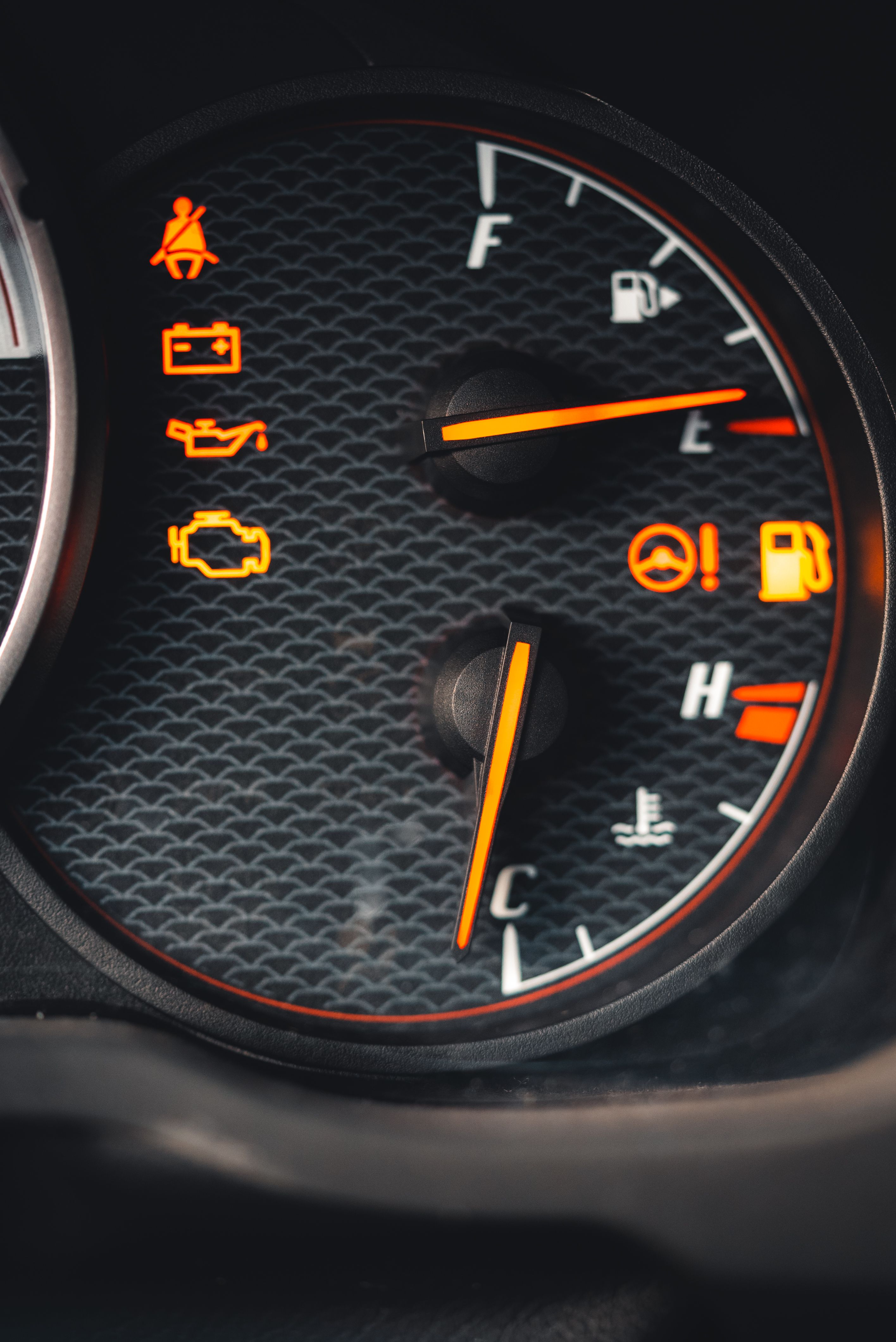
The check engine light is one of the most common warning signs associated with catalytic converter problems. Modern vehicles continuously monitor exhaust gases using oxygen sensors positioned before and after the catalytic converter. When the computer detects that the converter is no longer cleaning emissions effectively, it stores diagnostic trouble codes and turns on the warning light.
However, a check engine light does not automatically mean the converter has failed. Problems such as worn spark plugs, fuel delivery issues, faulty oxygen sensors, or even vacuum leaks can trigger similar codes. If these underlying issues are ignored, they can eventually damage an otherwise healthy catalytic converter.
A Rotten Egg Smell from the Exhaust
A strong sulfur or rotten egg smell coming from your exhaust is another warning sign that something is wrong. This odor develops when the catalytic converter can no longer process sulfur compounds effectively. Instead of converting harmful gases into less harmful emissions, the converter allows sulfur-containing gases to pass through the exhaust system.
The smell may appear after the engine has warmed up or become more noticeable during acceleration. While fuel quality can occasionally contribute to the odor, a persistent smell deserves a professional inspection. Left unresolved, the problem can worsen and eventually require catalytic converter replacement.
Rattling Noises Under the Vehicle
A catalytic converter contains a ceramic honeycomb structure that can crack or break apart over time. When this happens, you may hear a rattling noise coming from underneath the vehicle, particularly when starting the engine or accelerating from a stop. As the broken material shifts inside the converter housing, the noise often becomes more noticeable.
Road debris, internal overheating, or years of vibration can all damage the internal substrate. In some cases, the loose material eventually blocks exhaust flow completely, creating severe performance problems.
Not every exhaust rattle comes from the catalytic converter. Loose heat shields, damaged pipes, or worn exhaust hangers can produce similar sounds, making a professional inspection the safest way to identify the actual source.

Failed Emissions Testing
A failing catalytic converter is one of the leading reasons vehicles fail emissions testing. Because the converter is responsible for reducing harmful pollutants, its failure often causes emissions levels to exceed legal limits. In many cases, the vehicle may continue to drive normally while producing emissions that are too high to pass inspection.
Drivers sometimes assume replacing the converter is the only solution. However, if an engine problem caused the converter to fail, simply installing a new unit without correcting the underlying issue can lead to another premature failure. This is why thorough emissions repair should always begin with diagnosing the complete system rather than focusing on one component.
What Causes a Catalytic Converter to Fail?
Catalytic converters rarely fail without a reason. Understanding the underlying cause helps prevent the same problem from returning after repairs.
Common causes include:
- Engine misfires allowing unburned fuel into the converter
- Oil or coolant contamination
- Physical impact from road debris
- Long-term overheating
- Faulty oxygen sensors
- Rich fuel mixtures
Even problems that seem unrelated can shorten the converter’s lifespan. For example, a cooling system issue may cause the engine to overheat, increasing stress on exhaust components. Likewise, poor engine performance that calls for a car tune-up can allow excessive fuel into the exhaust, eventually damaging the converter. Addressing small issues promptly is often far less expensive than replacing major emissions components later.
Repair or Replacement?
Many drivers ask whether a catalytic converter can simply be repaired. The answer depends on what has failed. If the converter housing is intact and another component, such as an oxygen sensor, is responsible for the symptoms, repairing the underlying issue may restore normal operation. Likewise, if another exhaust component is leaking, a technician may recommend muffler repair or replacement.
However, if the converter’s internal structure has melted, collapsed, or become contaminated beyond recovery, catalytic converter replacement is typically the only reliable solution. An experienced technician will perform diagnostic testing before recommending replacement. At Vehicle Masters, the focus is always on efficiently and effectively identifying the actual problem rather than replacing parts unnecessarily.
Preventing Catalytic Converter Problems
Although no catalytic converter lasts forever, proper maintenance can significantly extend its service life. Routine inspections allow technicians to identify developing engine problems before they damage expensive emissions components.
If your vehicle develops drivability problems, unusual exhaust odors, or reduced performance, postponing repairs may allow additional damage to occur. Small issues today can become much larger repairs tomorrow.

When It’s Time to Have Your Vehicle Inspected
Some catalytic converter symptoms develop gradually, while others appear almost overnight. Either way, they should not be ignored.
If you’ve noticed reduced acceleration, declining fuel economy, a persistent sulfur smell, rattling beneath the vehicle, or a check engine light, it is time for a professional inspection.
Many of these symptoms overlap with other mechanical problems, which is why proper diagnostics are so valuable. Rather than guessing which component has failed, experienced technicians inspect the complete system to identify the real cause.
At Vehicle Masters, we proudly serve Oak Forest, the South Suburbs, and surrounding communities with honest recommendations, competitive pricing, and customer-focused service. Our goal is to efficiently and effectively identify vehicle problems, explain our findings clearly, and complete only the repairs your vehicle actually needs.
Get Expert Exhaust System Diagnostics at Vehicle Masters
If you’ve started noticing catalytic converter failure signs, don’t wait until a small issue becomes a major repair. Whether your vehicle needs catalytic converter replacement, catalytic converter repair, or another type of engine repair, our experienced team can accurately diagnose the problem and explain your options in clear, straightforward terms.
Learn more about our approach, explore our brake repair services, or contact Vehicle Masters to schedule an inspection.
For prompt attention to your needs, please give us a call at 708-687-9955. Vehicle Masters is a trusted auto repair shop serving Oak Forest, the South Suburbs, and surrounding communities with general vehicle repair, diagnostics, and maintenance. Quality service, competitive pricing, customer satisfaction. We are highly recommended.