
Buying a used car can be financially smart, but it comes with uncertainty. According to Consumer Reports, many used vehicles require repairs within the first year of ownership. In addition, studies report that mechanical issues contribute to thousands of accidents annually, often tied to poor maintenance or undetected faults.
Even if a car looks clean and drives smoothly during a short test, many issues remain invisible to the untrained eye. Faulty brakes, worn suspension components, minor engine leaks, or cooling system problems can all go unnoticed until they become expensive repairs. A thorough pre-purchase car inspection identifies these hidden issues, allowing buyers to make informed decisions, negotiate fairly, and avoid vehicles that could become a financial burden or a safety hazard. This step is particularly valuable for drivers in the South Suburbs, where reliable transportation is essential for daily commuting and family safety.
For example, a 2016 sedan appeared well-maintained, but a professional inspection revealed a failing fuel pump and early suspension wear. The repairs would have cost over $1,500 if purchased without inspection. Another 2014 SUV had minor radiator leaks and a weak alternator—issues that were undetectable during a short test drive. These examples highlight why relying solely on appearances or a brief test drive is risky.
This proves an important point: a pre-purchase car inspection is not just a precaution—it’s a practical way to avoid unexpected costs and safety risks. What looks like a well-maintained vehicle on the surface may have underlying issues that only a trained technician can identify.
What a Pre-Purchase Car Inspection Reveals
A professional inspection is designed to give buyers a complete and unbiased view of a vehicle’s condition. It goes far beyond a test drive or a visual check.
Key areas typically assessed:
- Engine performance
- Signs of wear, leaks, or internal damage
- Early detection through auto engine repaircan prevent expensive repairs later
- Braking system
- Pad wear, rotor condition, and stopping performance
- Critical for safety, aligning with services like auto brake repair
- Suspension and steering
- Inspects shocks, struts, springs, and wheel alignment
- Ride stability and handling issues
- Uneven wear may indicate alignment or suspension concerns
- Cooling system
- Radiator, hoses, and temperature regulation
- Overheating risks are often linked to neglected maintenance
- Early detection helps prevent engine overheating, with services like radiator repair service,
- Electrical system
- Battery condition and charging performance
- May involve battery replacement service, installation service, or alternator repair
- Exhaust and emissions
- Leaks, corrosion, or compliance concerns
- Air conditioning system
- Cooling efficiency and system pressure
- Checks system performance and refrigerant levels
- Connected to car air conditioner repair service
- Tires and alignment
- Tread wear patterns that may indicate deeper issues
- Works alongside wheel alignment service
These checks provide a level of detail that most buyers simply cannot achieve on their own.

The Hidden Problems Buyers Often Miss
Even if a car drives smoothly, hidden problems may exist that can result in significant repair bills. Professional inspections can identify issues before they become major headaches. Sellers may not always be aware of them—or may choose not to disclose them.
Common hidden issues include:
- Engine concerns
- Oil leaks, worn belts, or misfires
- Repairs may require a visit to an engine repair
- Cooling system failures
- Minor leaks in the radiator or hoses that could lead to overheating
- Addressed by the auto cooling system repair
- Brake issues
- Reduced stopping power or worn pads
- Can be solved with brake replacementor repair
- Suspension and steering problems
- Uneven tire wear, poor handling, or noises
- Services like suspension repair, strut repair,or shock replacement may be required
- Electrical and battery issues
- Weak batteries or failing alternators
- Services such as car battery installation, replacement, or alternator repair serviceaddress these concerns
- Exhaust and emissions
- Rusted mufflers, failing catalytic converters
- Detected with auto muffler repair
- Air conditioning problems
- AC failures or leaks
- Can be corrected with auto AC repair
Even relatively small problems can escalate. For example:
- A worn serpentine belt needing replacementcan lead to a breakdown
- A minor coolant leak can result in engine damage
- Early brake wear can compromise safety
Without a pre-purchase car inspection, these risks often go unnoticed until after the purchase is complete. This is why an inspection before buying is critical.
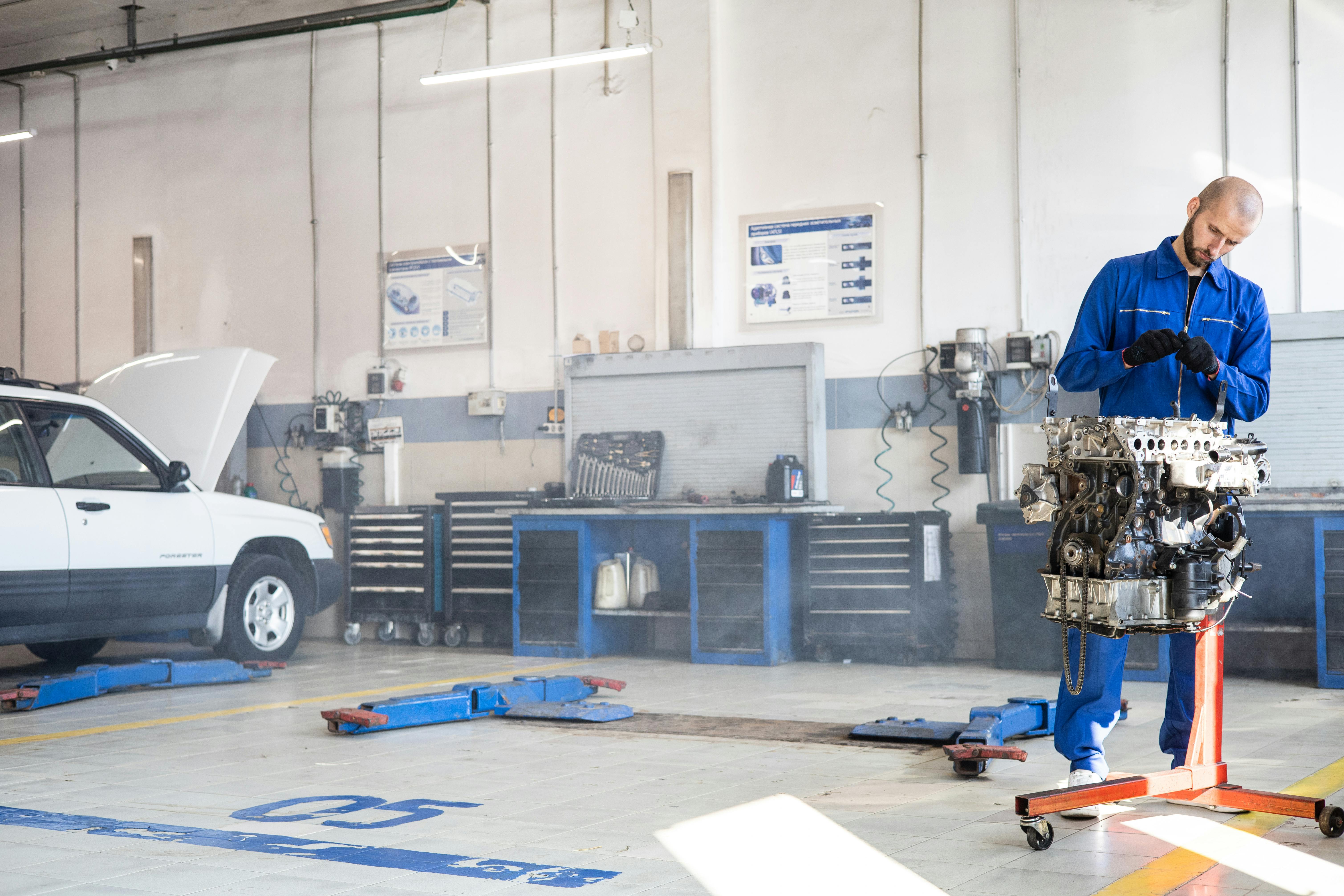
Pre-Purchase Inspection vs. Skipping It: A Comparison
To see the tangible benefits of a pre-purchase car inspection, it helps to compare what buyers gain with an inspection versus the risks they face when skipping this step. The table below highlights the key differences across major vehicle systems.
| Aspect | With Pre-Purchase Car Inspection | Without Inspection |
| Engine & Performance | Detects leaks, worn belts, misfires, and early-stage engine issues; can prevent costly repairs at an engine repair shop. | Hidden issues may go unnoticed, leading to expensive engine repairs and breakdowns. |
| Brakes & Safety | Assesses pad wear, rotors, and hydraulic systems; ensures safe stopping performance. | Brake problems may be missed, increasing the risk of accidents or emergency repairs (auto brake repair). |
| Suspension & Steering | Evaluates shocks, struts, springs, and wheel alignment for smooth handling; services like car suspension repair service and shock replacement may be recommended. | Undetected suspension issues cause uneven tire wear, poor handling, and higher repair costs. |
| Cooling System | Identifies radiator leaks, hose wear, and water pump issues (cooling system repair, radiator repair) before they cause engine overheating. | Small leaks or failures may lead to engine overheating and major repairs. |
| Electrical & Battery | Checks battery health and alternator output; avoids unexpected failures (car battery replacement). | Battery or alternator problems may result in sudden breakdowns or stranded drivers. |
| Exhaust & Emissions | Detects muffler damage, catalytic converter issues, and emissions compliance problems (muffler repair, catalytic converter replacement). | Hidden exhaust or emissions problems can affect fuel efficiency, performance, and legal compliance. |
| Air Conditioning & Comfort | Evaluates AC system performance (auto air conditioning repair service) to ensure proper cooling. | A faulty AC may go unnoticed until it becomes inconvenient or costly to repair. |
The Financial Case for an Inspection
One of the biggest misconceptions is that skipping an inspection saves money. In reality, it often leads to higher costs. One of the clearest benefits of a pre-purchase car inspection is financial protection. The upfront cost of an inspection is minor compared to the cost of repairs if problems go unnoticed.
Typical comparison:
- Inspection cost: modest upfront expense
- Potential repair costs:
- Engine repairs:thousands of dollars
- Transmission work:major investment
- Cooling system repairs:significant but preventable
- Brake system replacement: avoidable with early detection
Additional financial advantages:
- Stronger negotiation position: Identified issues can justify a lower purchase price
- Avoiding poor purchases: Walk away from vehicles with major concerns
- Planning ahead: Budget for upcoming maintenance instead of reacting to breakdowns
- Confidence in safety and reliability: Reduce risk of breakdowns shortly after purchase
Investing in a pre-purchase inspection is a simple step that can prevent thousands in unexpected repairs. In simple terms, the inspection provides clarity before you commit financially.
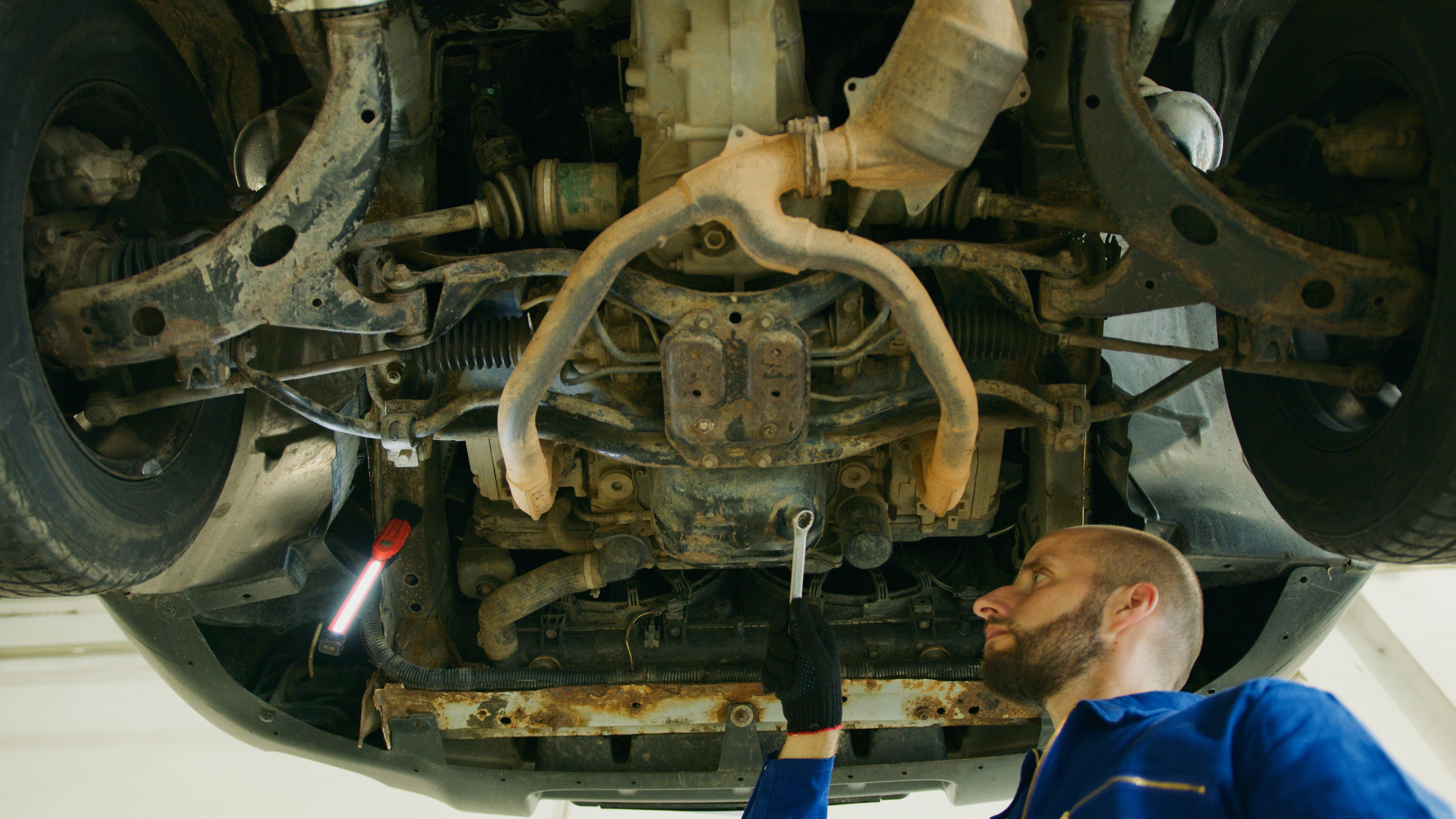
Why Professional Inspections Matter
Basic checks—like looking under the hood, checking fluid levels, or taking a short test drive—can only reveal so much. Modern vehicles are complex, with integrated electronics, advanced engine systems, and intricate suspension setups. Many issues remain hidden without proper diagnostic tools and trained eyes.
Professional technicians provide far more than a surface-level review. They use:
- Diagnostic scanners to read error codes and identify hidden engine, transmission, or electrical problems.
- Structured inspection checklists to ensure every system—from brakes to cooling and exhaust—is thoroughly evaluated.
- Experience across multiple vehicle systems, allowing them to detect early signs of wear that may not yet impact performance.
In addition, professional inspections can reveal:
- Subtle suspension or steering issues, such as worn shocks or misaligned wheels, that affect handling and tire life, are often serviced by suspension repairor shock replacement.
- Cooling system vulnerabilities, including minor leaks in the radiator, hoses, or water pump, which could lead to engine overheating if left unchecked.
- Brake wear that may not be obvious during a short drive but could compromise stopping distance.
- Electrical system concerns, including failing alternators or weak batteries, which can result in sudden breakdowns.
- Exhaust and emissions problems, such as small leaks or failing catalytic converters, which may affect performance, fuel efficiency, and regulatory compliance.
These insights allow buyers to make informed decisions, avoid costly repairs, and negotiate more confidently. For example, identifying a worn serpentine belt, early-stage suspension damage, or a fuel pump issue before purchase can save hundreds—or even thousands—of dollars.
At Vehicle Masters in Oak Forest, technicians combine technical skill, diagnostic tools, and years of experience to give drivers across the South Suburbs a complete understanding of a vehicle’s condition. This level of assessment is difficult, if not impossible, to replicate without professional expertise.
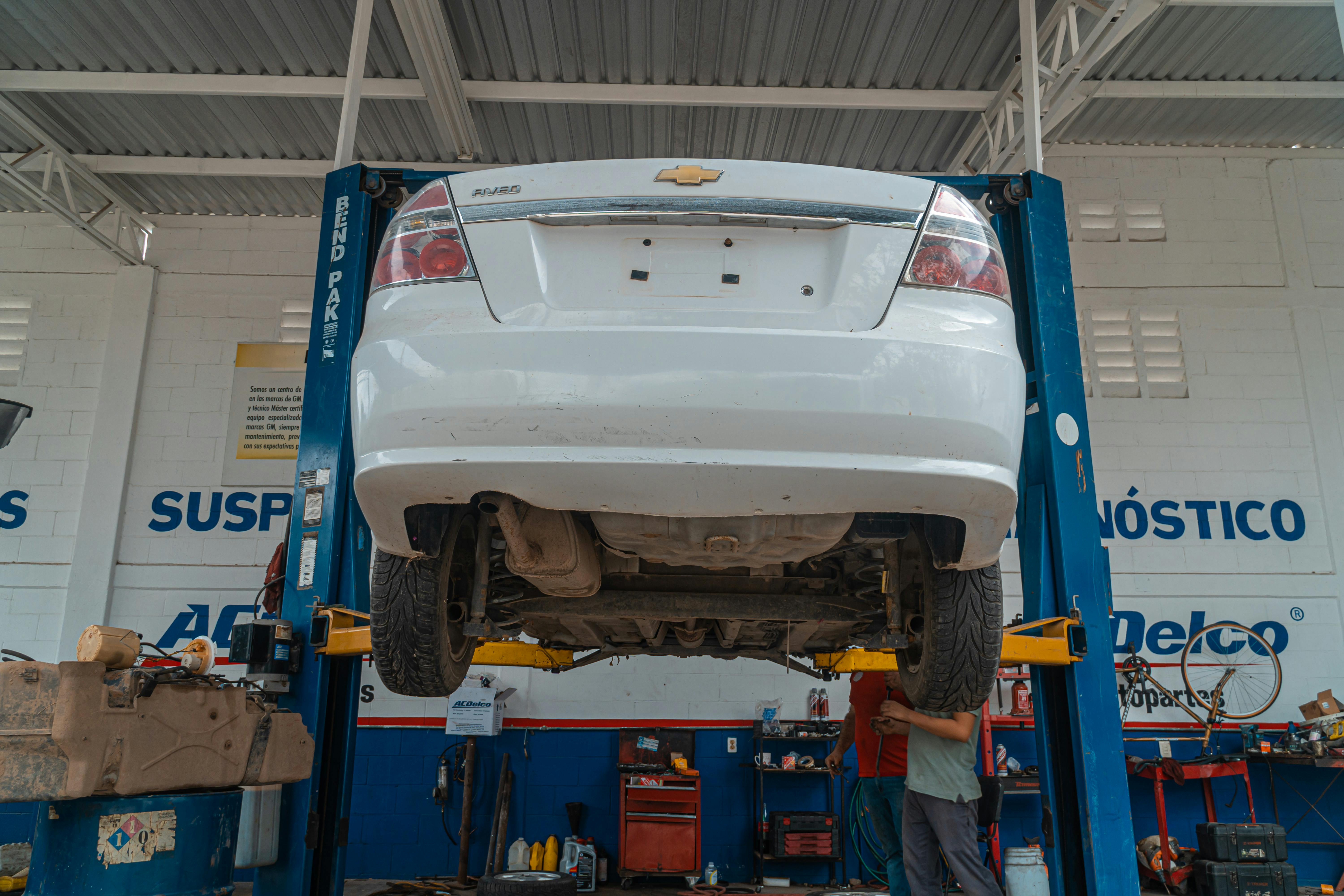
What Happens After You Buy the Car
A pre-purchase car inspection doesn’t just protect you before buying—it also helps you plan for ownership.
Smart next steps include:
- Scheduling routine maintenance
- Monitoring wear-and-tear components
- Addressing minor issues before they grow
Examples of ongoing care:
- Regular oil changes
- Periodic tune-ups
- Brake inspections
- Tire maintenance and alignment checks
Drivers across the South Suburbs and surrounding communities often rely on consistent service to maintain reliability and avoid unexpected repairs.
Selecting the Right Inspection Provider
Not all inspections are equal. Choosing a trusted provider ensures the results are thorough, accurate, and unbiased.
What to Look For:
- Certified and experienced technicians
- Transparent reporting of all findings
- Access to modern diagnostic equipment
- Strong reputation in the community
For drivers across the South Suburbs, Vehicle Masters provides detailed inspections and honest advice. Our team also handles related services, including auto repair and preventive services like car maintenance.
FAQ: Pre-Purchase Car Inspections
Q: Do I really need an inspection for older cars?
A: Yes. Older vehicles are more likely to have hidden wear, and inspections can prevent costly repairs.
Q: How long does an inspection take?
A: Most pre-purchase inspections take 1–2 hours, depending on vehicle size and complexity.
Q: Can inspections detect all hidden issues?
A: Inspections detect most mechanical, electrical, and safety issues, but very rare failures may still occur.

Make an Informed Decision Before You Commit
Buying a used car should never rely on assumptions. A professional pre-purchase car inspection provides a clear understanding of the vehicle’s condition, helping you avoid unnecessary costs and make a confident decision.
Skipping this step can lead to:
- Unexpected repair expenses
- Reduced reliability
- Safety concerns
At Vehicle Masters, drivers across the South Suburbs receive honest assessments and thorough inspections before purchasing a vehicle.
Quality service, competitive pricing, customer satisfaction — highly recommended.
If you’re considering a used car, schedule an inspection before finalizing your purchase. It’s a simple step that can prevent costly mistakes. Contact us and schedule your inspection now!