
Fuel efficiency has become a major concern for vehicle owners as fuel prices fluctuate and environmental awareness increases. According to the U.S. Department of Energy, aggressive driving, poor maintenance, and mechanical faults can lower gas mileage by roughly 15-30 %on highways and 10-40% in city driving. Additionally, improperly inflated tires alone can reduce fuel efficiency by around 0.3%. These numbers highlight that poor fuel economy causes are often preventable with proper care and timely servicing.
Many drivers assume declining mileage is due to aging vehicles, but the reality is more technical. From neglected servicing to failing components, several hidden factors can affect performance.
Understanding these issues allows you to take corrective action and restore optimal efficiency.
Common Mechanical Issues Behind Poor Fuel Economy
A significant number of poor fuel economy issues stem from unresolved mechanical problems. When essential systems are not functioning properly, your engine must work harder, consuming more fuel.
1. Engine and Fuel System Problems
Your engine is at the center of fuel consumption. It must operate at peak condition to maintain proper fuel efficiency. Problems in this system often require attention from an engine repair shop.
Common warning signs include:
- Rough idling or engine misfires
- Decreased acceleration and power
- Increased fuel consumption without a visible cause
Regular visits to an auto tune-up shop can significantly improve mileage.
2. Oxygen Sensors and Airflow Components
Modern vehicles rely on sensors to regulate fuel delivery. Faulty sensors can cause the engine to use more fuel than necessary.
Typical warning signs include:
- Check engine light activation
- Poor acceleration or hesitation
- Sudden drop in fuel efficiency
Issues may involve dirty mass airflow sensors or failing oxygen sensors. Timely diagnostics and repairs, such as car sensor repair, can restore proper fuel-air balance.
3. Ignition System Failures
The ignition system is responsible for igniting the fuel-air mixture in the engine. When components wear out, combustion becomes incomplete, wasting fuel.
Look for:
- Engine misfires
- Difficulty starting the vehicle
- Reduced engine performance
Replacing worn spark plugs or ignition coils during a car tune-up service can significantly improve fuel efficiency.
4. Transmission and Drivetrain Problems
A poorly functioning transmission can also contribute to poor fuel economy. When gears do not shift properly, the engine operates at inefficient speeds.
Common symptoms include:
- Delayed or rough gear shifting
- Unusual noises during acceleration
- Increased engine RPM without speed gain
While not always obvious, transmission inefficiencies can increase fuel consumption over time and should be inspected during routine maintenance.
5. Exhaust and Emission System Failures
The exhaust system plays a direct role in engine efficiency. When airflow is restricted, combustion becomes less efficient, increasing fuel consumption.
Signs of exhaust-related problems include:
- Loud or unusual engine noise
- Reduced engine power
- Noticeable decrease in fuel efficiency
In such cases, services like exhaust repair service. In more serious situations, a catalytic converter replacement may be necessary to restore proper emissions flow.
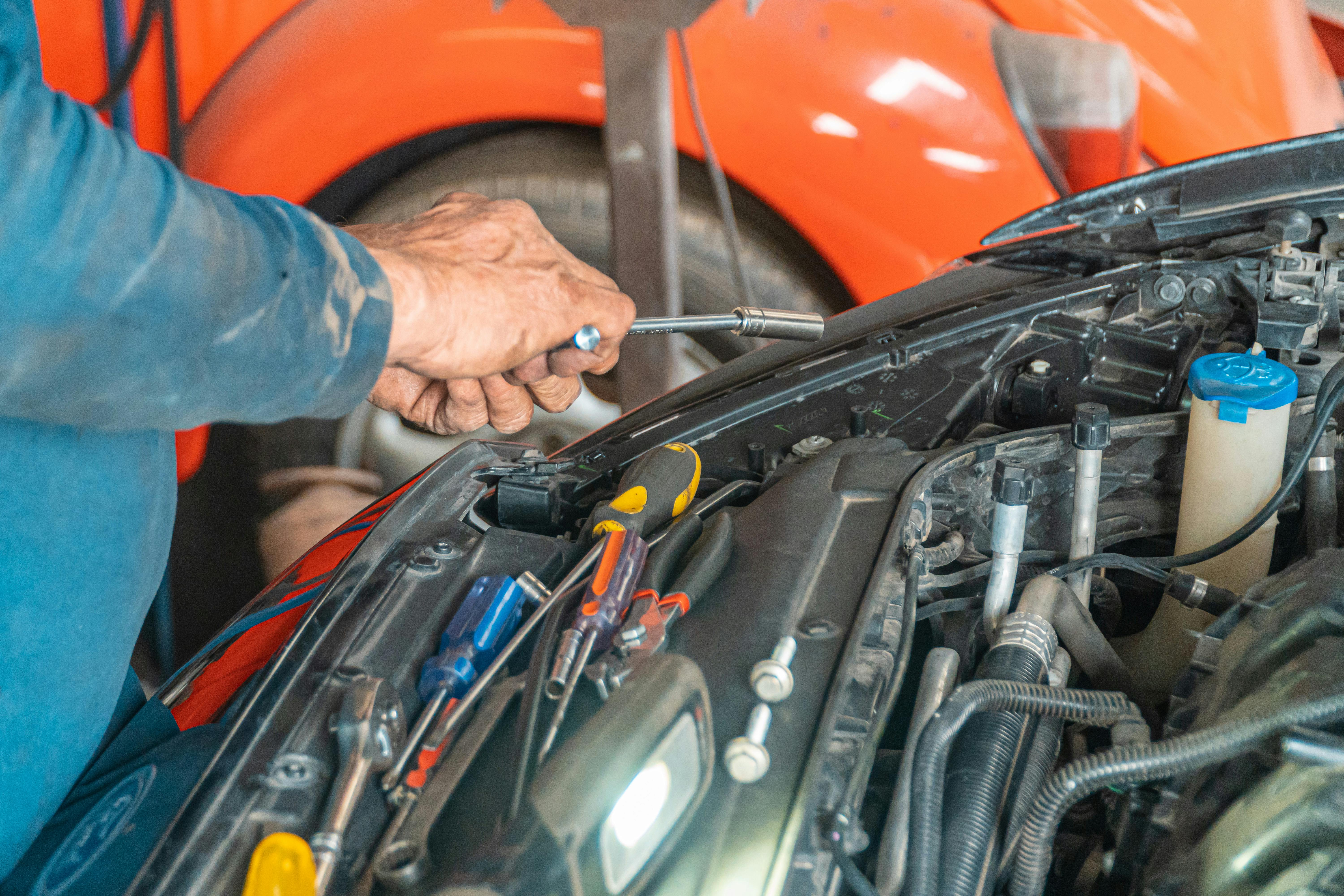
The Impact of Maintenance on Fuel Efficiency
Neglecting routine servicing is one of the most overlooked causes of poor fuel economy. Preventive care keeps all systems functioning properly and avoids unnecessary strain on the engine.
1. Routine Maintenance Practices
Consistent servicing helps maintain optimal fuel consumption levels. A professional car maintenance service ensures that all essential components are inspected and functioning correctly.
Important maintenance tasks include:
- Regular oil changes to reduce engine friction
- Timely air filter replacement for proper airflow
- Scheduled inspections to identify early signs of wear
Even simple actions, such as keeping tires properly inflated or following manufacturer service intervals, can make a measurable difference.
2. Tire Condition and Vehicle Alignment
Tires and alignment significantly influence fuel efficiency. When tires are not properly maintained, the engine must work harder to move the vehicle.
Tire Pressure and Wear
Incorrect tire pressure increases rolling resistance, which leads to higher fuel consumption.
Drivers should monitor:
- Tire pressure levels are regularly
- Uneven tread wear
- Reduced handling stability
Routine checks and timely tire repair or replacements can help maintain consistent mileage.
Wheel Alignment and Suspension
Improper alignment causes the vehicle to pull in one direction, increasing resistance and reducing efficiency.
Common signs include:
- Steering wheel misalignment
- Uneven tire wear
- Vehicle drifting while driving
A professional wheel alignment service corrects these issues and improves fuel economy.
Suspension problems also contribute to inefficiency. A car suspension specialist can restore balance and reduce strain on the engine.
3. Cooling System and Engine Temperature
An engine that operates outside its ideal temperature range tends to consume more fuel. Overheating or inefficient cooling disrupts combustion.
Warning signs of cooling system issues include:
- Rising temperature gauge readings
- Coolant leaks
- Steam or unusual smells from the engine bay
Addressing these issues may involve a cooling system repair service.
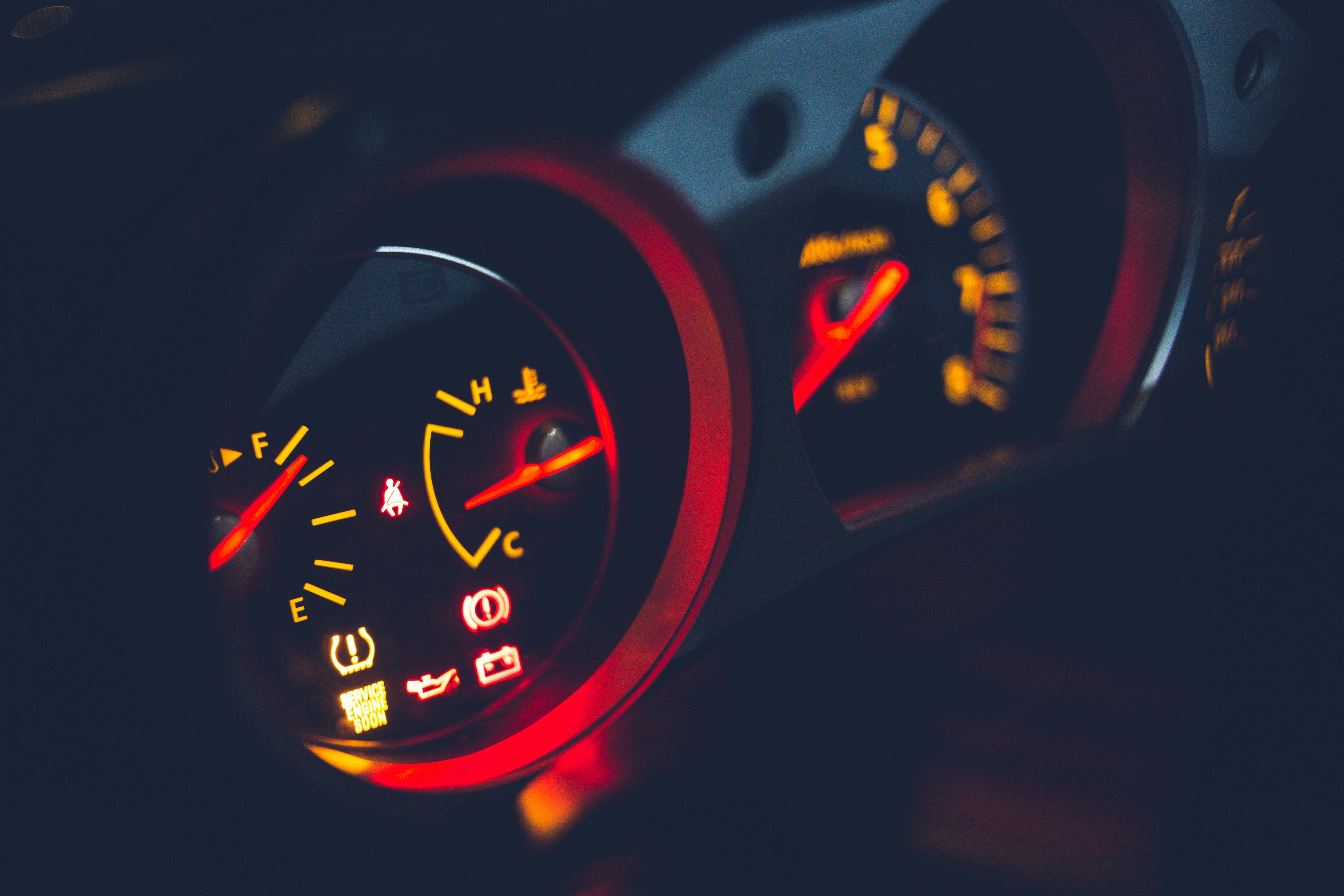
Common Maintenance Checks That Improve Fuel Economy
| Maintenance Check | Purpose | Recommended Action |
| Oil Change | Reduces engine friction and improves combustion | Oil change every 3,000–5,000 miles or per manufacturer guidelines |
| Air Filter Replacement | Ensures proper airflow to the engine | Replace during car tune-up service or every 12,000–15,000 miles |
| Tire Pressure & Alignment | Minimizes rolling resistance | Check tire pressure monthly; schedule wheel alignment as needed |
| Spark Plugs & Ignition | Maintains proper combustion | Inspect and replace during auto tune-up service |
| Battery & Alternator | Supports electrical system efficiency | Test the battery and alternator regularly; replace with a car battery replacement service if needed. |
| Fuel System & Sensors | Optimizes fuel delivery | Clean or repair fuel injectors and sensors with car sensor repair |
| Brake System | Prevents drag that reduces efficiency | Inspect and repair with auto brake repair |
Additional Tip: Performing these checks regularly can address the poor fuel economy causes before they become costly problems, saving both fuel and money over time.
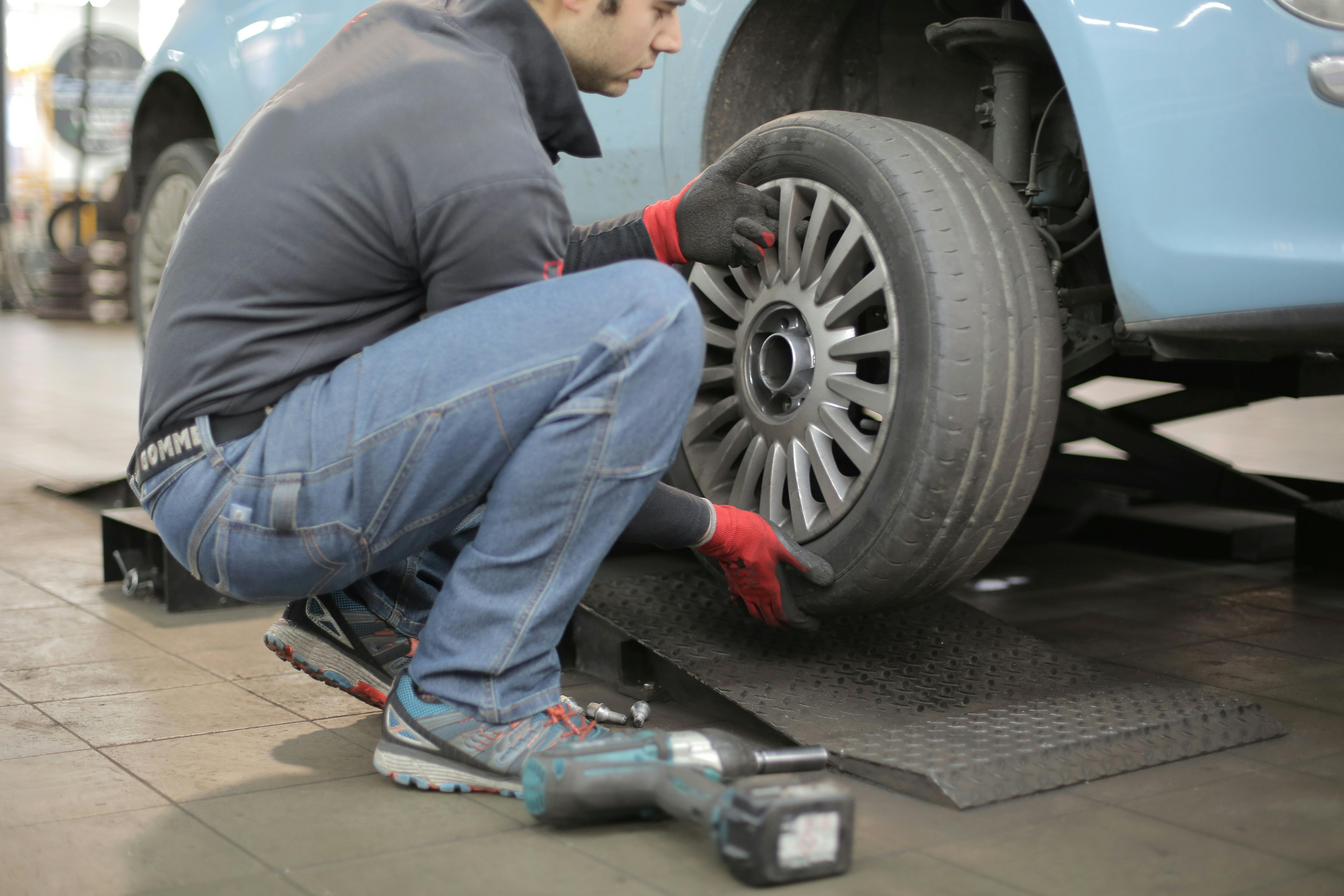
Importance of Tire Maintenance for Fuel Efficiency
Tires play a critical role in fuel economy, yet many drivers overlook their condition. Improper tire pressure or worn tread increases rolling resistance, which forces the engine to work harder and burn more fuel.
Key considerations include:
- Regularly checking tire pressure according to manufacturer specifications
- Rotating tires to ensure even wear and maximize lifespan
- Inspecting tread depth and replacing worn tires promptly
Additionally, proper alignment and suspension adjustments can further improve fuel efficiency and ensure safe handling. Proper tire care alone can improve mileage by up to 3%, making it a simple yet effective step for better fuel economy.
Electrical Systems and Their Influence on Fuel Economy
Electrical components may not seem directly related to fuel consumption, but they significantly affect engine performance.
1. Battery and Charging System
A weak battery or faulty alternator forces the engine to compensate, increasing fuel usage.
Common warning signs include:
- Difficulty starting the engine
- Dim lights or electrical malfunctions
- Dashboard warning indicators
Solutions include a battery replacement service to restore proper function.
2. Belt and Accessory Systems
The serpentine belt powers multiple engine components, including the alternator and air conditioning system. When it wears out, efficiency declines.
Look for:
- Squealing noises
- Visible cracks or wear
- Reduced accessory performance
A timely serpentine belt replacement service can prevent further issues and maintain system performance.
Air Conditioning and Fuel Usage
Air conditioning systems can significantly affect fuel consumption, particularly when they are not functioning properly. A malfunctioning AC increases the load on the engine, forcing it to work harder and burn more fuel. According to the U.S. Department of Energy, running an AC at full blast can reduce fuel economy by up to 25% in city driving conditions.
Common AC-related issues include:
- Weak cooling performance or inconsistent airflow
- Unusual noises when the AC is operating
- Foul or musty odors from the vents
- Increased fuel consumption during operation
- AC compressor cycling excessively due to refrigerant leaks
Practical steps to maintain AC efficiency:
- Regularly schedule an auto air conditioning repair serviceto inspect and recharge refrigerant if necessary
- Clean or replace cabin air filters to maintain airflow
- Inspect belts and compressor components during routine car maintenance service
- Check for leaks or clogged condensers that reduce cooling efficiency
Addressing these issues through a car air conditioner repair service not only improves comfort but also reduces unnecessary fuel usage. Maintaining a properly functioning AC helps your vehicle operate more efficiently, prolongs the life of the system, and prevents higher energy demands on the engine.
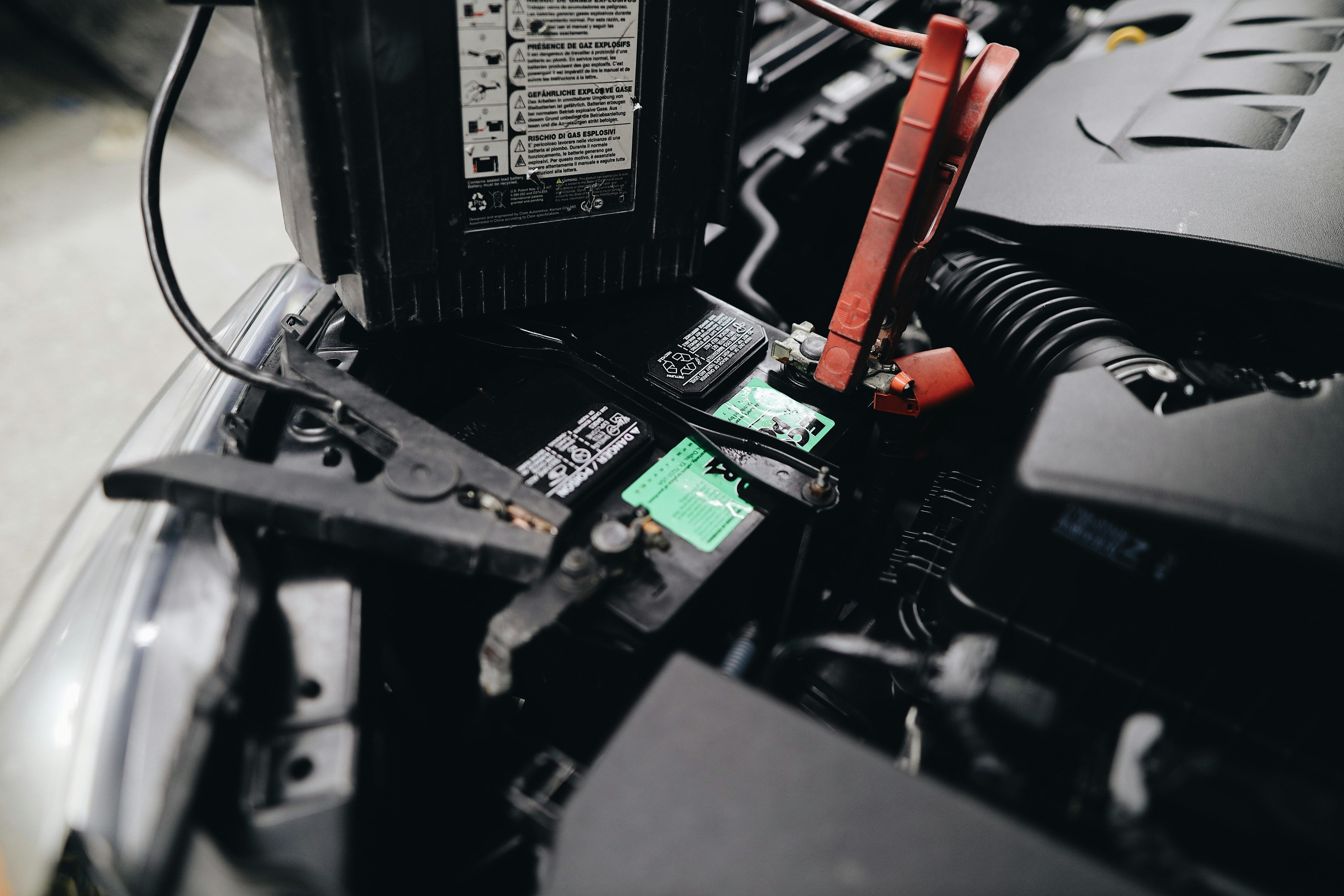
The Role of the Vehicle’s Electrical System in Fuel Efficiency
The electrical system may seem unrelated to fuel consumption, but it directly impacts engine performance. A failing alternator, weak battery, or malfunctioning sensors can force the engine to work harder, using more fuel than necessary.
Key points to monitor include:
- Battery health:Ensure proper voltage and replace aging batteries promptly
- Alternator function:A weak alternator can reduce engine efficiency
- Sensor performance:Malfunctioning oxygen or airflow sensors can increase fuel consumption
Professional services such as car battery installation or a car sensor repair can restore proper electrical function. Maintaining a healthy electrical system ensures your engine operates efficiently, helping to reduce fuel costs and prevent unexpected breakdowns.
Driving Habits and Environmental Factors
Beyond mechanical and maintenance issues, driving behavior also contributes to poor fuel economy.
Driving Patterns
Certain habits can significantly reduce fuel efficiency, including:
- Rapid acceleration and sudden braking
- Excessive idling
- Driving at high speeds for extended periods
- Frequent short trips where the engine doesn’t reach optimal temperature
- Aggressive cornering or abrupt lane changes
- Carrying heavy cargo or roof-mounted storage that increases drag
Adopting smoother driving techniques can improve mileage without any mechanical changes.
External Conditions
Environmental factors also affect fuel consumption, such as:
- Heavy traffic conditions
- Extreme weather, including hot or cold temperatures
- Poor road surfaces that increase rolling resistance
- Driving in hilly or mountainous terrain
- Using air conditioning or heating excessively
- Long-term exposure to stop-and-go urban routes
While these factors cannot always be controlled, awareness can help minimize their impact.
How Driving Habits Influence Fuel Consumption
Even a mechanically sound vehicle can experience reduced fuel economy if driving habits are inefficient. Aggressive driving behaviors force the engine to consume more fuel and accelerate wear on vehicle components.
Practical strategies include:
- Smooth acceleration and braking to reduce fuel waste
- Avoiding excessive idling whenever possible
- Maintaining consistent highway speeds instead of frequent stops and starts
- Removing unnecessary weight from the vehicle
- Planning routes to minimize stop-and-go driving
- Limiting high-speed driving on highways
- Turning off air conditioning when not needed or using recirculation mode
- Using cruise control on long, flat drives to maintain steady speeds
- Combining errands to reduce the number of short trips
- Monitoring tire pressure regularly, as low pressure increases rolling resistance
Adopting these habits in combination with proper maintenance and mechanical repairs ensures long-term improvements in fuel efficiency. Drivers who combine smart habits with regular servicing often see noticeable savings at the pump.
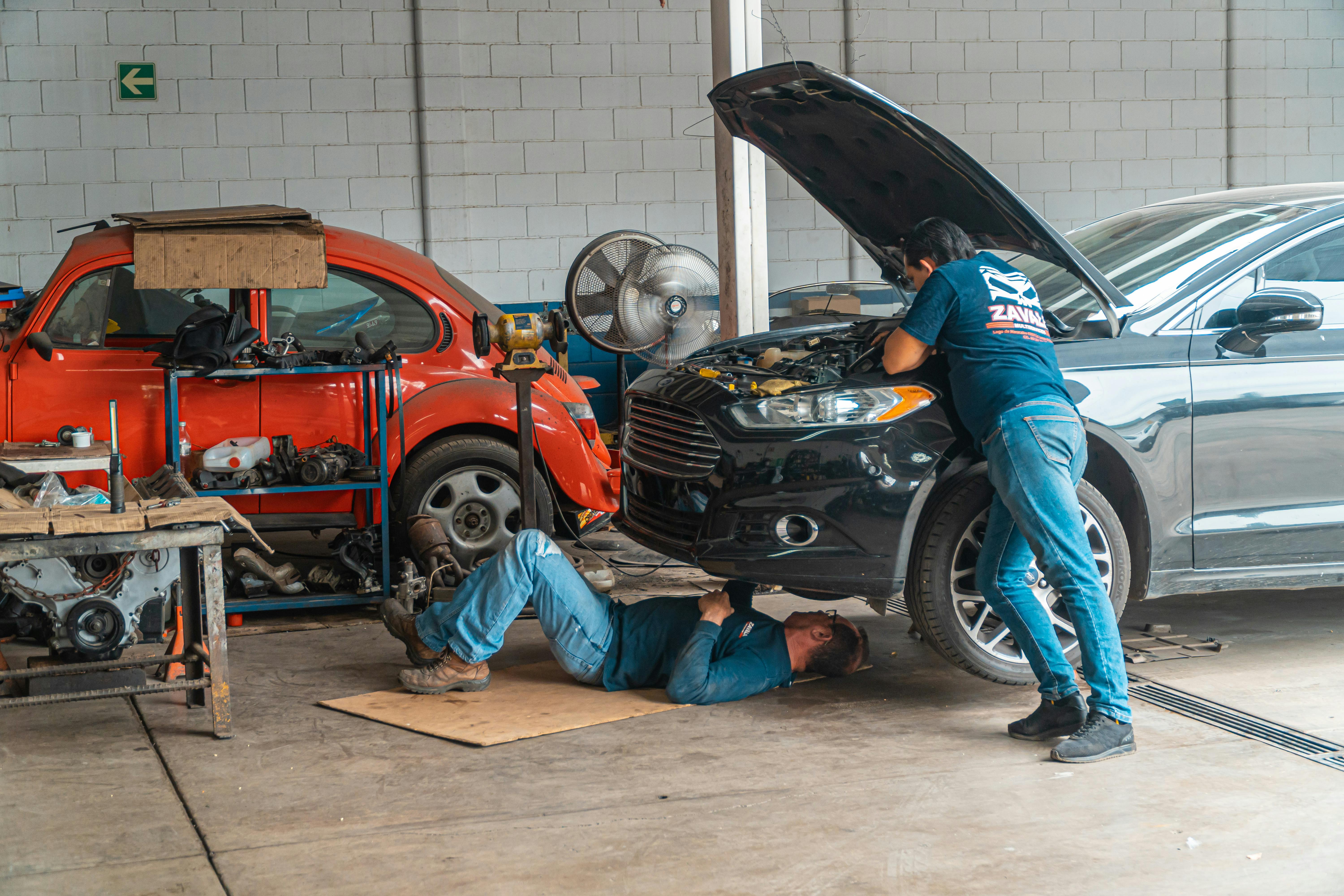
Restore Your Vehicle’s Fuel Efficiency
Declining fuel economy is rarely caused by a single issue. Instead, it results from a combination of mechanical wear, poor maintenance practices, and external factors. Identifying these poor fuel economy causes early can prevent long-term damage and reduce fuel expenses.
At Vehicle Masters, experienced professionals provide comprehensive diagnostics and repair solutions to address efficiency issues. Whether it’s routine servicing, system repairs, a full car maintenance service, or performance checks, our team helps restore your vehicle to optimal condition.
Don’t let poor fuel economy impact your daily driving experience. Contact us today to schedule an inspection and take the first step toward improved performance and fuel savings.