
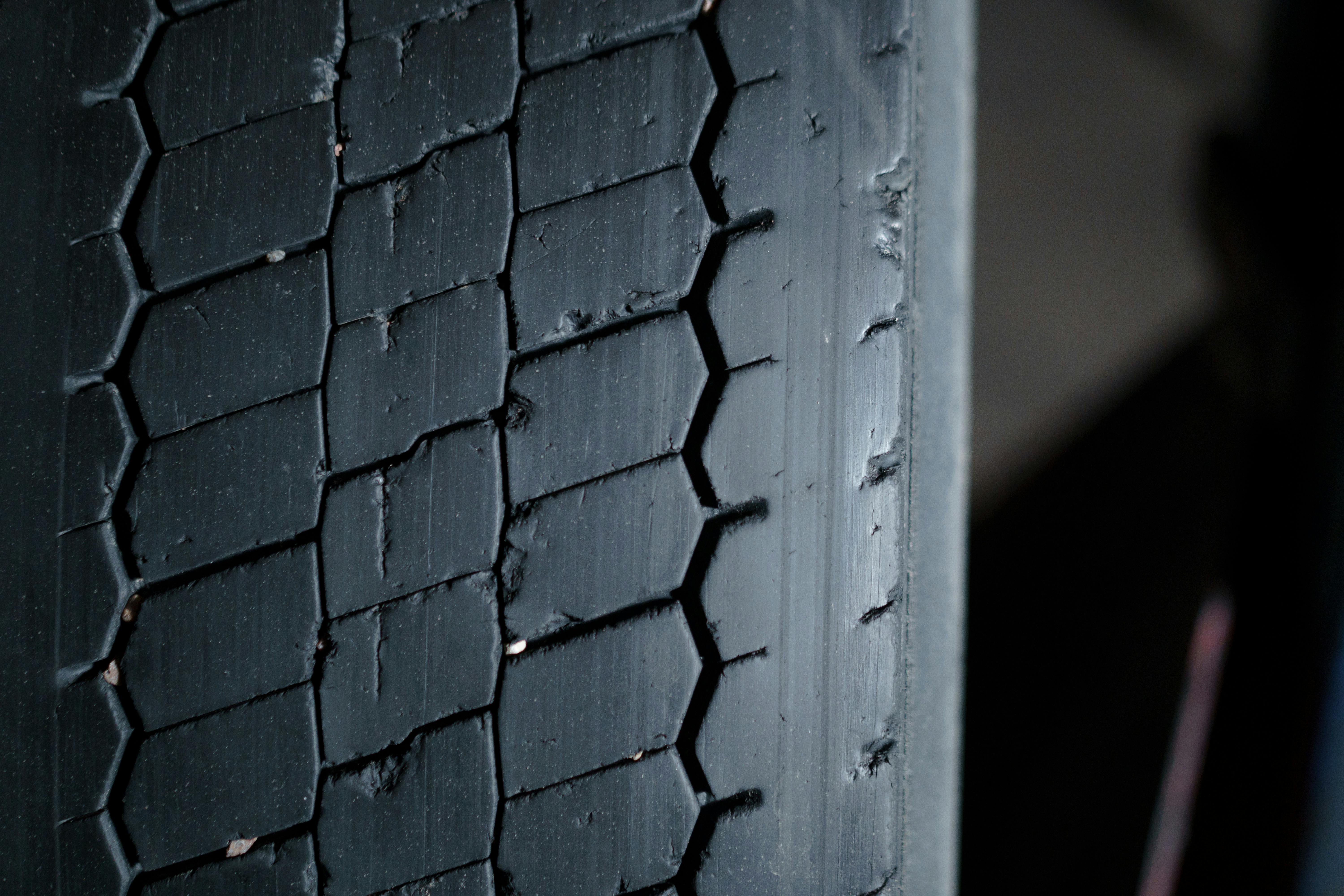
Tires don’t wear evenly on their own. When a set of tires starts showing visibly different tread depths across the surface, wearing faster on one edge than the other, or developing a scalloped pattern that you can feel through the steering wheel, the tires themselves are rarely the problem. They’re displaying the symptom of something else — an alignment issue, a worn suspension component, incorrect inflation, or a combination of factors working together underneath the vehicle.
For drivers in Oak Forest and across the South Suburbs, where seasonal potholes, road salt, and freeze-thaw cycles put additional stress on alignment and suspension systems, understanding the most common causes of uneven tire wear is one of the most practical things a driver can learn. Catching the pattern early saves the tires — and often reveals a problem that would have become much more expensive to address if left undetected.
Reading the Wear Patterns
Each type of uneven wear tells a specific story about what’s happening beneath the vehicle. Knowing how to read these patterns — or knowing what to ask a technician to look for — gives drivers a significant advantage in catching problems early. As NHTSA’s TireWise program recommends, drivers should have wheel alignment and tire balancing performed by a qualified technician to maximize tire life and maintain vehicle safety. The most common patterns:
- Inner edge wear — tread worn primarily on the inside edge of one or both tires on an axle. This almost always indicates excessive negative camber — the top of the wheel is tilted inward. This is typically caused by a wheel alignmentissue or worn control arm bushings that have allowed the suspension geometry to shift.
- Outer edge wear — tread worn primarily on the outside edge. This points to excessive positive camber or aggressive cornering habits. It can also result from a sagging spring on one side of the vehicle, which changes the wheel angle under load.
- Center wear — the center of the tread is worn more than the shoulders. This indicates chronic overinflation. The tire is riding on a smaller contact patch centered on the tread’s crown, concentrating all wear in the middle.
- Both-shoulder wear — both outer shoulders worn with tread remaining in the center. This is the opposite — chronic underinflation. The tire’s sidewalls are flexing under load, putting excessive contact pressure on the outer edges while the center lifts slightly off the road surface.
- Cupping or scalloping — a wavy, uneven wear pattern across the tread surface that you can often feel by running your hand over the tire. This typically indicates worn shocks or struts that are allowing the tire to bounce rather than maintain consistent road contact. The tire literally hops along the surface, wearing in an irregular wave pattern.
- One-sided diagonal wear — a single tire wearing diagonally across the tread, often on one rear tire. This commonly indicates a toe alignment issue on that axle — the wheel is pointed slightly inward or outward rather than straight ahead, dragging the tire at an angle with every rotation.
Alignment: The Most Common Cause
Wheel alignment is the single most common factor behind uneven tire wear — and one of the most frequently overlooked maintenance items. Alignment settings define the angles at which the wheels contact the road, and even small deviations from the manufacturer’s specifications can produce measurable changes in tire wear over thousands of miles.
Three primary alignment angles affect tire wear:
- Camber — the inward or outward tilt of the wheel when viewed from the front. Too much tilt in either direction concentrates wear on one edge of the tread.
- Toe — whether the wheels point slightly inward or outward relative to the vehicle’s centerline. An incorrect toe produces a scrubbing action across the tread with every rotation, rapidly and unevenly wearing the tires.
- Caster — the angle of the steering axis. While caster doesn’t directly cause tire wear, incorrect caster creates a steering pull that leads to driver compensation, which can accelerate wear on one side of the vehicle.
In the Midwest, alignment is knocked out of specification more frequently than in regions with smoother roads. Pothole impacts, curb strikes, and the cumulative effect of driving over degraded pavement throughout winter and spring consistently shift alignment angles. A wheel alignment service performed at least once a year — and always after a significant pothole impact — keeps these angles within specification and prevents the kind of accelerated, one-sided wear that dramatically shortens tire life.
Suspension Components That Cause Wear Problems
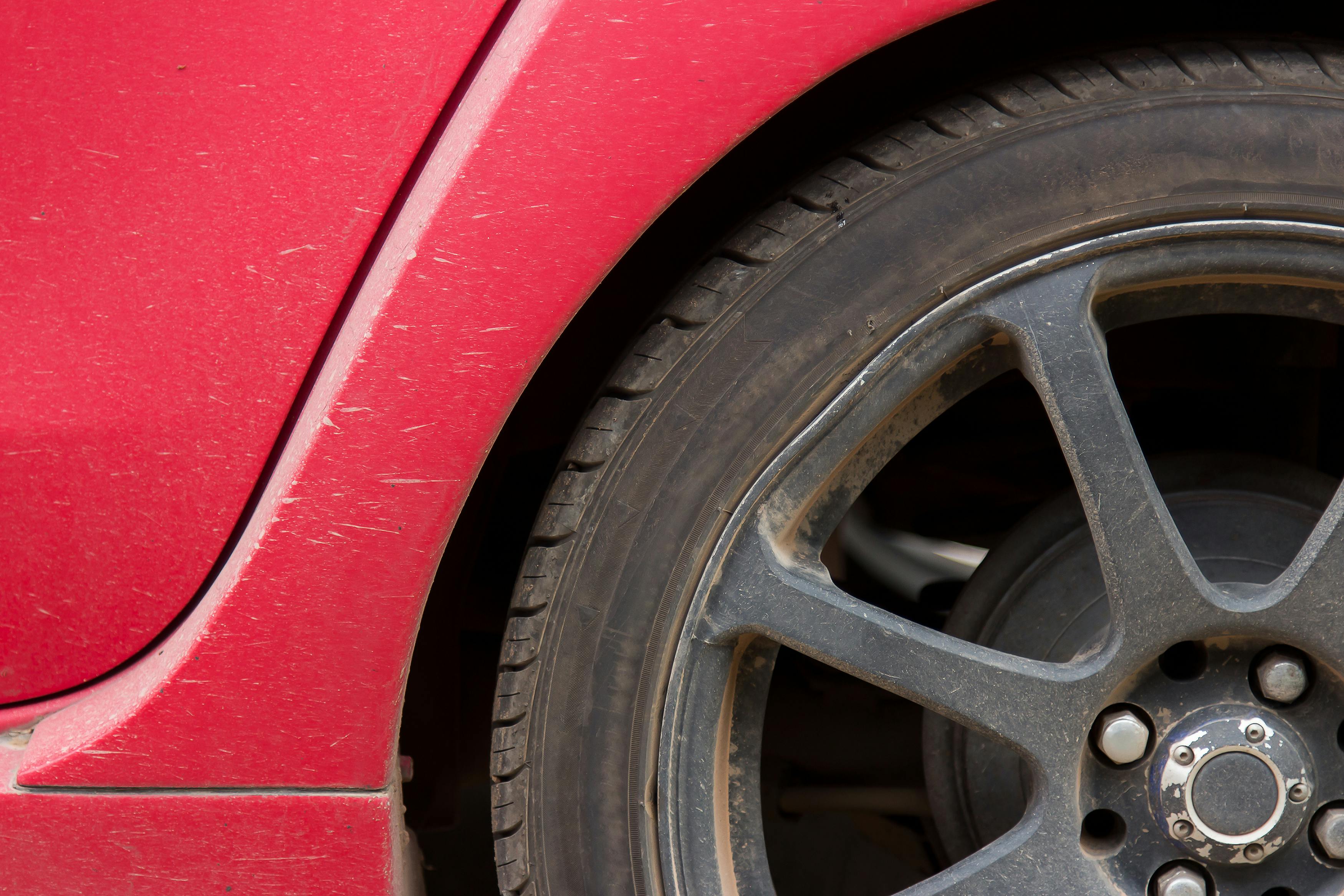
The suspension system maintains alignment angles. When suspension components wear — ball joints develop play, control arm bushings soften, tie rods loosen, or springs sag — the alignment shifts even if it was recently set. This is why a shop that performs an alignment without inspecting suspension components first may produce results that don’t hold.
The suspension components most directly linked to uneven tire wear:
- Shocks and struts — worn dampers allow the tire to bounce rather than track the road surface smoothly. This produces cupping or scalloping wear patterns and also increases braking distance. Shock replacement restores consistent road contact and eliminates the bounce that causes cupping.
- Ball joints — upper and lower ball joints connect the steering knuckle to the control arms. When they develop play, wheel alignment becomes unstable — the wheel can shift between its maximum and minimum camber range during driving, producing erratic wear patterns.
- Tie rod ends — tie rods connect the steering rack to the steering knuckle and directly control toe alignment. Worn tie rods allow the toe to drift, producing a scrubbing wear pattern that rapidly eats through the tread.
- Control arm bushings — rubber bushings that absorb road impact and maintain the position of the control arms. When they deteriorate, the control arm moves more freely than intended, altering camber and caster under load.
- Springs — a sagging spring on one side of the vehicle changes the ride height, which in turn changes the camber angle on that corner. This results in one-sided inner-edge wear on the affected wheel.
Tire Pressure and Rotation
NHTSA’s research on tire-related crash factors found that vehicles with underinflated tires or inadequate tread depth are significantly more likely to experience tire problems in the pre-crash phase. Incorrect tire pressure is the simplest and most preventable cause of uneven tire wear — and one that many drivers overlook between service visits.
- Underinflation — causes the tire to ride on its shoulders, wearing both outer edges while the center retains tread. It also generates excess heat, increasing the risk of sudden tire failure.
- Overinflation — causes the tire to ride on its center crown, concentrating all wear in the middle of the tread. It also reduces the contact patch, decreasing grip and increasing stopping distance.
- Inconsistent pressure across axles — different pressures left-to-right create uneven loading that compounds any existing alignment or suspension issue.
How to Fix Uneven Tire Wear
The fix for uneven tire wear depends entirely on the cause, which is why accurate diagnosis matters more than a generic alignment. Here’s how the repair process typically works:
- Step one: identify the wear pattern — a technician reads the tread to determine which pattern is present and what system it points toward.
- Step two: inspect suspension components — before any alignment is performed, ball joints, tie rods, control arm bushings, shocks, struts, and springs are all checked for wear or damage. Any worn component found must be replaced before an alignment — otherwise the new alignment settings won’t hold.
- Step three: perform alignment — with all suspension components in proper condition, the alignment is set to manufacturer specifications using calibrated equipment.
- Step four: correct tire pressure — all four tires and the spare are inflated to the manufacturer’s recommended cold pressure, which is found on the driver’s door placard.
- Step five: evaluate tire condition — if wear has progressed too far, some or all tires may need to be replaced. A technician can determine whether the remaining tread is adequate and whether the wear pattern will self-correct with the alignment and suspension repairs in place.
FAQ:
Q: Can I get an alignment without a suspension inspection?
A: You can, but the results may not hold. If a worn ball joint or bushing is allowing the suspension geometry to shift, an alignment performed around that worn component will return to its previous incorrect state within weeks. A reputable shop inspects suspension components before aligning specifically to prevent this.
Q: How quickly does misalignment damage tires?
A: Measurably — within a few thousand miles. A toe angle that is even slightly off specification produces a scrubbing action on every rotation. Over 5,000 miles, that scrubbing removes enough tread to create a visible difference between the inner and outer edges. Catching alignment issues early preserves the tires; catching them late often means replacing them.
Q: Should I replace tires that are unevenly worn, even if there’s tread remaining?
A: It depends on the severity. Mild uneven wear that is corrected with alignment and suspension service will often self-correct as the tires continue to wear with the proper geometry in place. Severe one-sided wear that has exposed the wear indicator on one edge — while the other edge still has significant tread — typically means the tire should be replaced, because the structural integrity of the tread across the width is no longer uniform.
Fix the Cause — Not Just the Tire
Understanding the causes of uneven tire wear on your vehicle is the first step. Fixing them before they consume another set of tires is the second. If you’ve noticed wear patterns on your tires that don’t look right — or if a set of tires has worn out faster than expected — give us a call at 708-687-9955. At Vehicle Masters, we inspect suspension components and alignment together, identify the actual cause of the wear, and explain our findings before recommending any repairs. We have been serving Oak Forest and the South Suburbs for over 30 years, providing quality service, competitive pricing, and customer satisfaction.