
Is your car releasing blue, white, or black smoke from the tailpipe? The exhaust smoke color meaning can offer useful clues about what’s happening inside your engine, but the color alone cannot confirm which part has failed. Some smoke is normal under certain conditions, while persistent or unusually thick exhaust can signal a problem that needs attention.
Understanding the difference helps you recognize warning signs, avoid unnecessary part replacements, and decide when to have your vehicle inspected. At Vehicle Masters in Oak Forest, drivers can seek help identifying exhaust-related symptoms and determining what needs further testing.
What Does Your Exhaust Smoke Color Mean?
The exhaust smoke color meaning depends on the smoke’s appearance, when it occurs, and whether other symptoms accompany it.
- Blue or blue-gray smoke:Often indicates that engine oil is entering the combustion chamber and burning.
- White smoke: May be harmless water vapor during a cold start, but persistent, thick white smoke can indicate coolant entering the combustion process.
- Black smoke:Often suggests that the engine is receiving more fuel than it can burn efficiently or is not getting enough air for proper combustion.
- Gray smoke: Can have several causes, including oil burning or fuel and engine-management problems. Its appearance alone is not enough to identify the source.
Pay attention to whether the smoke appears during startup, acceleration, idling, or normal driving. Also note any unusual smells, fluid loss, warning lights, or changes in engine performance. These details help a mechanic narrow down the possible causes.
What Causes Blue or Blue-Gray Exhaust Smoke?
Blue smoke usually means engine oil is burning along with the air-fuel mixture. A small amount of oil consumption can occur in some engines, but visible, persistent blue smoke deserves investigation.
Common causes include:
- Worn piston rings or cylinder wear: Oil may pass into the combustion chamber instead of staying in the crankcase. This can accompany increased oil consumption, reduced engine performance, or other signs of wear.
- Worn valve seals or valve guides: Oil can enter the combustion chamber through the valves. Smoke may be especially noticeable after the vehicle sits or when restarting.
- PCV system problems: A faulty positive crankcase ventilation system can allow excessive oil vapor to enter the intake. This may cause oil consumption or smoke without proving that the engine has internal damage.
- Turbocharger-related oil leakage:On vehicles equipped with a turbocharger, certain faults can allow oil into the intake or exhaust. Other causes must be considered before blaming the turbocharger.
- Excess oil: Overfilling the engine with oil can contribute to oil entering places where it should not, depending on the vehicle and circumstances.

Why You Shouldn’t Ignore Blue Smoke
Burning oil can reduce the engine’s oil level and, if the loss becomes severe, lead to serious engine damage. Oil entering the exhaust can also affect emissions-control components, including the catalytic converter.
Check the engine oil level according to the owner’s manual, using the recommended procedure and the correct dipstick or electronic display. If the level is low, follow the manufacturer’s guidance before operating the vehicle. Do not assume that adding oil fixes the underlying problem.
A mechanic may check for leaks, inspect the PCV system, evaluate oil consumption, and perform compression or leak-down testing when appropriate. These tests help distinguish a ventilation issue from possible internal engine wear. The results should guide the next step rather than treating blue smoke as automatic proof that an engine component needs replacement.
What Causes White Exhaust Smoke?
White exhaust can be completely normal or a sign of a more serious engine problem. The key difference is how thick the smoke looks, how long it lasts, and whether the engine shows other symptoms.
- Normal condensation: On a cold morning, moisture inside the exhaust system turns into visible water vapor. This is common during startup, especially in colder Illinois weather. The vapor should generally diminish as the exhaust system warms up.
- Coolant entering the combustion chamber: A failed head gasket or a crack in an engine component can allow coolant to enter a cylinder. Thick white smoke that continues after the engine warms up may be a warning sign.
- Cooling system problems: Unexplained coolant loss, engine overheating, or a sweet smell from the exhaust can support concerns about an internal coolant leak. However, none of these symptoms proves a head gasket has failed.
- Diesel engine issues: On some diesel vehicles, white smoke can result from incomplete fuel combustion, including problems with fuel injection or cold-start operation. The likely causes differ from those in a gasoline engine.
When Is White Smoke Dangerous?
Persistent white smoke combined with overheating or coolant loss needs prompt attention.
- Watch the temperature gauge and any coolant or temperature warning lights.
- If the engine overheats, pull over somewhere safe, shut it off, and arrange professional assistance. Do not continue driving to see whether the smoke disappears.
- Never remove a radiator cap or pressurized coolant reservoir cap while the engine is hot.
- If thick white smoke continues after warm-up, arrange an inspection even if the temperature gauge appears normal.
A mechanic may pressure-test the cooling system, inspect coolant levels and condition, check for external leaks, and perform combustion-gas or cylinder tests when indicated. These checks help determine whether coolant is leaking internally or whether another issue explains the smoke.
Why Is Your Car Blowing Black Smoke?
Black exhaust smoke commonly points to incomplete combustion or an overly rich air-fuel mixture. In simple terms, the engine may be receiving too much fuel for the available air, or a problem may be preventing the fuel from burning correctly.
Possible causes include:
- Faulty fuel injectors: An injector that leaks or delivers too much fuel can affect combustion. Testing is needed to determine whether an injector is actually responsible.
- Air intake restrictions: A severely restricted air filter or another intake problem can interfere with airflow. Checking the intake is a sensible early step.
- Faulty sensors: Certain airflow, oxygen, or other engine-management sensor faults can affect fuel delivery. A trouble code may identify a circuit or system problem without proving that the sensor itself needs replacement.
- Fuel pressure problems: Excessive fuel pressure or a malfunctioning fuel pressure regulator, where fitted, may contribute to an overly rich mixture.
- Ignition problems: Weak ignition or misfires can leave fuel incompletely burned, sometimes causing rough running and other exhaust symptoms.
Black smoke may appear alongside poor fuel economy, a strong fuel smell, rough idling, sluggish acceleration, or a check engine light. Diesel engines can also produce some visible soot under particular operating conditions, but heavy or persistent black smoke should not be dismissed as normal.
What Happens If You Ignore Black Smoke?
- Excess fuel can increase fuel consumption and contribute to carbon deposits.
- Certain engine and emissions components may become contaminated or damaged.
- An unresolved misfire can allow unburned fuel to reach the catalytic converter, potentially causing overheating and damage.
If you notice heavy black smoke, particularly with rough running or a strong gasoline smell, arrange an inspection promptly. If the engine is misfiring severely, losing power, or showing other critical warning signs, stop driving when it is safe to do so and seek assistance.
An inspection may include scanning diagnostic trouble codes, checking fuel trims and sensor readings, examining the air intake, and testing ignition and fuel delivery systems. Replacing a sensor or injector without confirming the fault can waste money and leave the real problem unresolved.
How Mechanics Diagnose Excessive Exhaust Smoke

Smoke color helps narrow down the possibilities, but an accurate diagnosis depends on the vehicle’s symptoms, test results, and operating conditions.
A qualified exhaust specialist can inspect the exhaust system, while engine-related smoke may also require fuel, ignition, cooling system, or engine diagnostics.
A typical diagnostic process may include:
- Confirming the symptom: The mechanic determines whether the smoke is blue, white, black, or gray and whether it occurs during startup, acceleration, idling, or warm operation.
- Checking fluid levels: Oil and coolant levels can reveal unexplained losses that support further investigation.
- Scanning for trouble codes: The vehicle’s onboard computer may store useful information about misfires, sensor faults, or emissions-related problems. Codes guide testing but do not automatically identify a failed part.
- Inspecting the engine and exhaust: The mechanic checks for visible leaks, damaged pipes, loose connections, and other signs that may explain the complaint.
- Performing targeted tests: Depending on the findings, testing may involve fuel pressure, ignition components, sensor readings, cooling system pressure, compression, or cylinder leak-down.
For example, blue smoke and falling oil levels may justify checking the PCV system before concluding that the engine has worn piston rings. Likewise, black smoke and a check engine light may call for fuel and airflow testing rather than an automatic sensor replacement.
Vehicle Masters offers engine diagnostics and muffler and exhaust service to help identify the source of vehicle problems.
Get Help Understanding Your Exhaust Smoke in Oak Forest
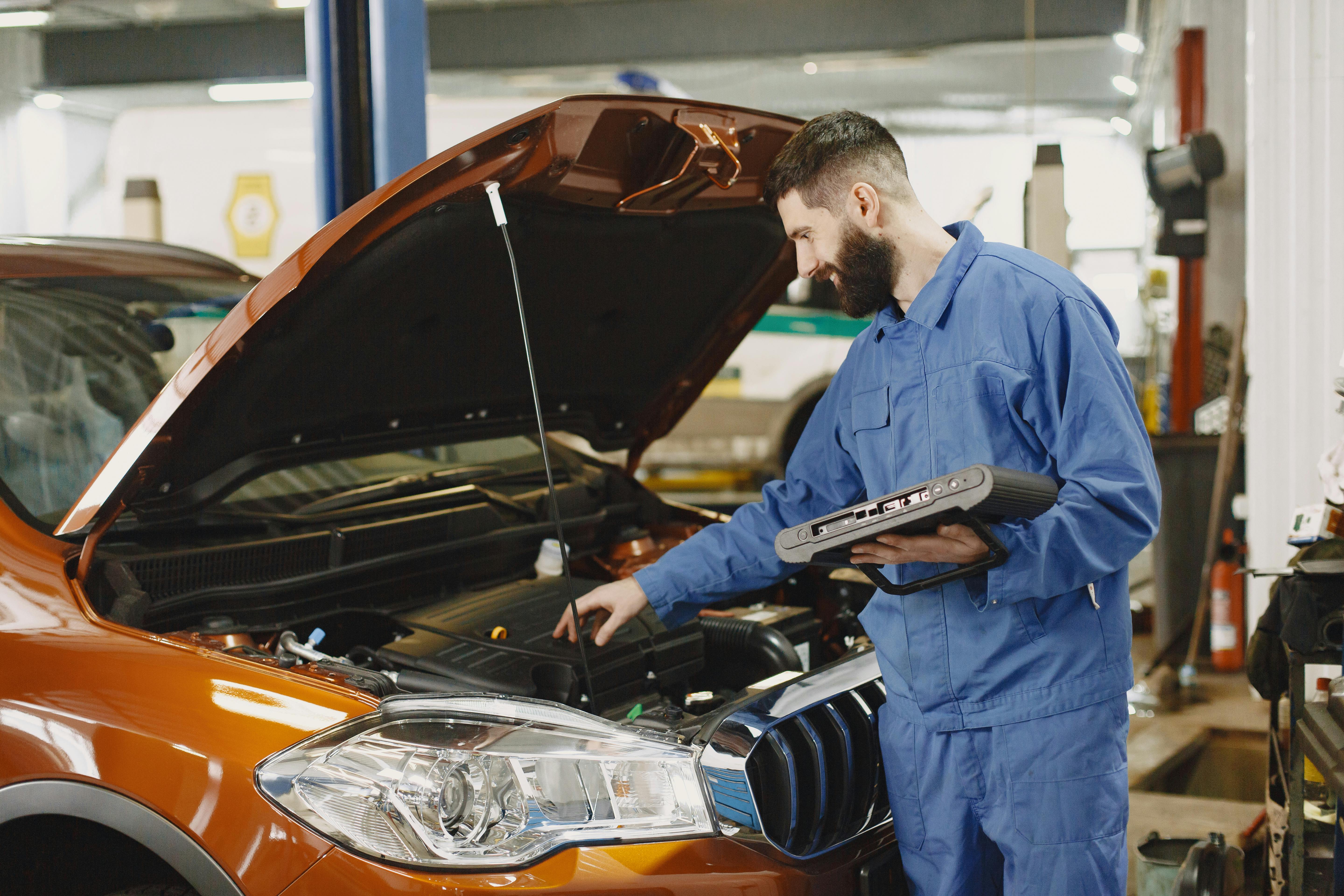
If you’re seeing unusual smoke from your tailpipe, our team at Vehicle Masters can inspect the exhaust system and help identify whether further engine diagnostics are needed. We serve drivers in Oak Forest and the surrounding South Suburbs, with services that include exhaust inspections, engine diagnostics, and general auto repair.
Understanding the exhaust smoke color meaning is a useful first step, but testing is what helps distinguish a minor issue from a problem that could damage your vehicle. If you’re unsure what’s causing the smoke, an experienced exhaust specialist can help determine the next step.
Vehicle Masters at (708) 687-9955 to arrange an inspection.