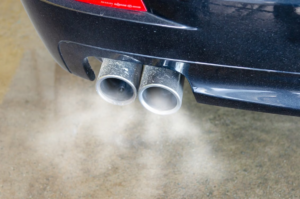
What Causes Excessive Exhaust Smoke and What the Color Means
Is your car releasing blue, white, or black smoke from the tailpipe? The exhaust smoke color meaning can offer useful clues about what’s happening inside your engine,
The temperature gauge is not something to gamble with.
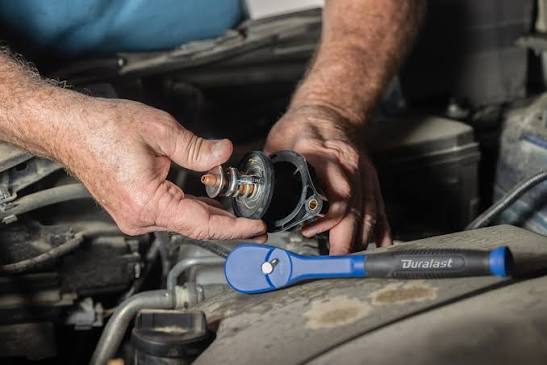
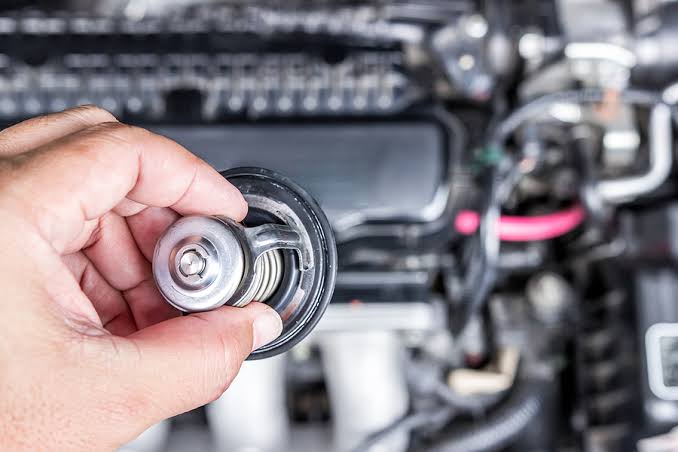
If it starts climbing, drops lower than normal, moves up and down while you drive, or your heater suddenly stops blowing warm air, your engine thermostat may be part of the problem. A thermostat is a small part, but it controls something serious: when coolant moves through the engine.
When it sticks closed, the engine can overheat fast. When it sticks open, the engine may run too cool, heat may stay weak, fuel economy can suffer, and the vehicle may not warm up the way it should.
Vehicle Masters handles engine thermostat repair along with cooling system checks, coolant leaks, radiator concerns, hose issues, and overheating complaints. We look at the full cooling system before calling the thermostat bad, because overheating can come from more than one place.
A bad thermostat does not always fail in the same way. Some drivers get an overheating warning. Others notice the cabin heat feels weak. Some only realize something is wrong because the temperature gauge is acting strange.
You may be dealing with a thermostat issue if you notice:
A thermostat problem can look minor at first, especially if the vehicle cools back down after a while. That does not mean the issue is gone. It means the cooling system needs to be checked before the next drive turns into a tow.
Thermostats usually fail in one of two ways.
If the thermostat sticks closed, coolant cannot circulate the way it should. The engine temperature can rise quickly, especially in traffic, on longer drives, or during warmer weather. This is the failure that gets attention fast because the gauge climbs and the vehicle may overheat.
If the thermostat sticks open, the symptoms can be quieter. The engine may take too long to warm up. The heater may feel weak. The temperature gauge may stay lower than normal. Fuel economy may drop because the engine is not reaching proper operating temperature.
Both problems matter. One can overheat the engine. The other can keep the vehicle from running as efficiently as it should.
A thermostat is not an expensive-looking part, but the damage from ignoring it can be expensive.
When an engine overheats, metal parts expand, gaskets are stressed, coolant can boil, and the engine can reach unsafe temperatures quickly. Keep driving too long and the repair can move far beyond a thermostat.
Overheating can lead to:
If the temperature gauge rises into the danger zone, pull over safely and shut the vehicle off. Do not keep driving just to “make it home” if the engine is overheating. That short drive can make the repair much worse.
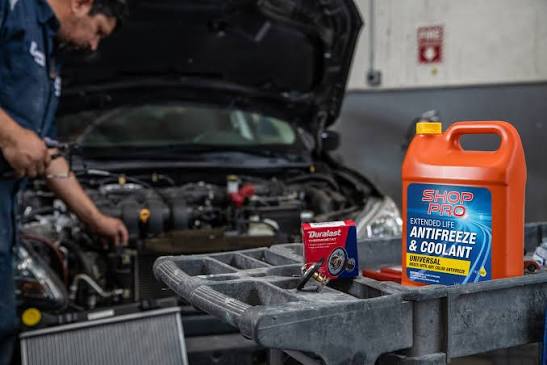
When a thermostat needs to be replaced, the repair may also involve fresh coolant, a new gasket or seal, and proper bleeding of the cooling system. Air pockets left in the system can cause temperature problems even after the new part is installed.
We make sure the thermostat is installed correctly, the system is refilled properly, and the engine reaches and holds the right temperature. That final check matters because cooling system repairs should not be treated like a quick parts swap.
The goal is steady engine temperature, proper heat from the vents, and no surprise overheating after you leave.

Is your car releasing blue, white, or black smoke from the tailpipe? The exhaust smoke color meaning can offer useful clues about what’s happening inside your engine,

You press the brake pedal, expecting firm resistance, but it sinks farther than usual or feels soft under your foot. Maybe you need to press

Your car feels sluggish when you accelerate, the check engine light stays on, or an unusual smell comes from the exhaust. These problems can point