
Modern vehicles act as sophisticated computers on wheels, monitoring thousands of operational data points every second. When something deviates from normal parameters, your vehicle communicates through illuminated symbols behind your steering wheel. Deciphering these alerts quickly saves money and keeps you safe on the road.
At Vehicle Masters, we believe informed drivers make the safest choices. As the leading auto tune up shop and repair facility in the region, our goal involves eliminating the anxiety of unexpected alerts. This comprehensive dashboard warning lights guide breaks down every critical icon, explains its urgency, and directs your next course of action.
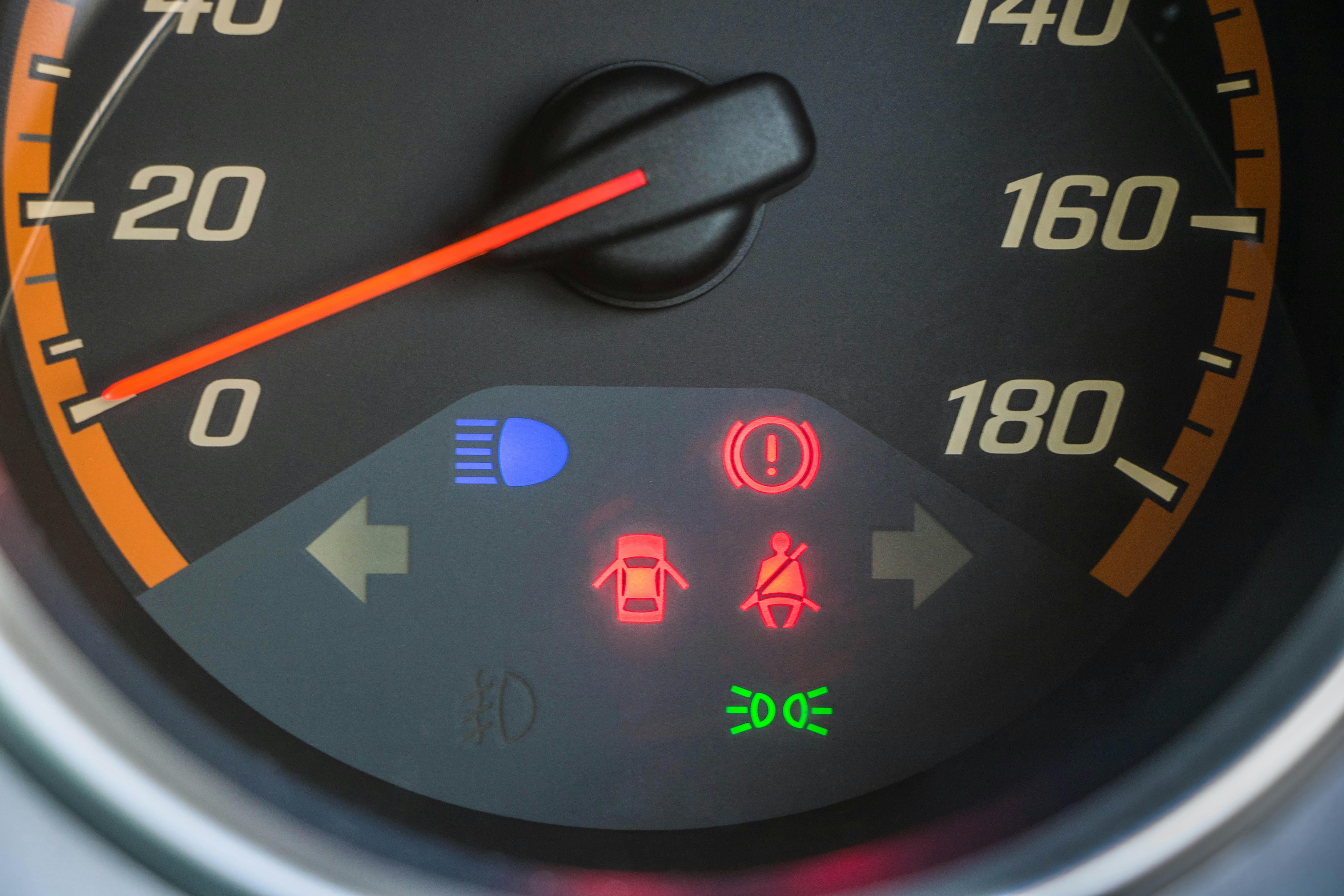
How Dashboard Warning Light Color Coding Works
Vehicle manufacturers standardize warning light colors using an intuitive, universal system similar to traffic signals to communicate urgent vehicle status instantly:
- Red Warning Lights:Indicate severe mechanical breakdowns, immediate safety hazards, or system failures. Pull over safely to the shoulder immediately and shut off the ignition to prevent catastrophic vehicle damage or accidents when red symbols illuminate.
- Yellow or Amber Warning Lights:Signal active system malfunctions, sensor glitches, or upcoming routine maintenance needs. You can generally continue driving short distances cautiously, but you must schedule professional diagnostic service as soon as possible.
- Green or Blue Indicator Lights:Show active convenience features and operational utilities, such as your high-beam headlights, adaptive cruise control, turn signals, or lane-keeping assistance systems. They require no mechanical repair or driver intervention.
Critical Red Warning Lights (Immediate Action Required)
Red symbols demand instant driver attention and immediate corrective action to prevent catalytic failure, complete engine destruction, or severe accidents on the road.
Engine Temperature Warning Light
- Visual Icon:A thermometer floating vertically on top of liquid waves.
- What It Means:Your engine internal temperature operates well above safe thermal limits, usually caused by low coolant volume, a failed water pump, a clogged radiator, or a stuck thermostat valve.
- Urgency Level: Engine overheating warps aluminum cylinder heads, cracks blocks, and destroys head gaskets within minutes of operation.
- Detailed Action Plan:
- Pull over to a safe area away from traffic immediately and shut down your ignition engine right away.
- Allow the engine compartment to cool down completely for at least thirty to forty-five minutes before touching anything under the hood.
- Never attempt to open the radiator cap while the engine remains hot, as boiling pressure causes severe steam burns.
- Check your coolant reservoir level once cooled, and top off with proper fluids if low, or contact a flatbed tow truck for transport.
Oil Pressure Warning Light
- Visual Icon:An old-fashioned oil can dripping a single drop of liquid.
- What It Means:The oil pump fails to circulate sufficient mechanical lubricant throughout the engine block, or internal fluid levels dropped to dangerously low operational thresholds.
- Urgency Level: Engine metal components experience extreme friction and heat without proper lubrication, causing internal bearings and pistons to seize rapidly.
- Detailed Action Plan:
- Pull off the roadway safely and turn off the ignition immediately to cut friction forces.
- Wait five minutes for oil to drain back down into the oil pan, then remove the dipstick, wipe it clean, reinsert it, and read the fluid level.
- Add the recommended grade of motor oil immediately if the dipstick reads below the fill mark.
- Do not restart the vehicle if the oil symbol stays lit after adding oil; call for towing to prevent total engine destruction.
Battery and Charging System Light
- Visual Icon:A rectangular battery box featuring distinct positive (+) and negative (-) polarity symbols.
- What It Means:Your alternator fails to generate sufficient voltage to charge the battery, a serpentine belt snapped, or your entire electrical network operates strictly on residual battery power.
- Urgency Level: The vehicle electrical ignition system and safety electronics will shut down completely once the battery power drains fully.
- Detailed Action Plan:
- Turn off all non-essential electrical accessories right away, including air conditioning, seat heaters, cabin lighting, and stereo systems.
- Keep the engine running continuously, as restarting a drained system may prove impossible once turned off.
- Navigate your vehicle safely and directly to a reputable auto repair shop serving Oak Forest and other South Suburbs in IL, or pull off the road safely before electrical power drops completely.
Brake System Warning Light
- Visual Icon:An exclamation point enclosed inside a circle with side parenthesis, or simply the word “BRAKE.”
- What It Means:Signals an engaged emergency parking brake lever, dangerously low hydraulic brake fluid levels, or a critical pressure loss within your dual-circuit braking system.
- Urgency Level:High to Extreme. A sudden loss of hydraulic pressure directly impairs your vehicle’s physical stopping power.
- Detailed Action Plan:
- Verify immediately that your handbrake or electronic parking brake pedal released completely while driving.
- Test your main brake pedal firmness by applying steady foot pressure while moving slowly along the road shoulder.
- Pull over immediately and arrange for professional vehicle towing if the brake pedal feels soft, spongy, or sinks all the way down to the floorboard.

Yellow and Amber Warning Lights (Schedule Service Soon)
Yellow and amber lights warn drivers of initial component wear, electronic system glitches, or minor mechanical issues that require prompt attention from trained technicians before turning into critical failures:
- System Alert Function:Yellow indicators act as early warning signals designed to give you adequate time to address mechanical issues before major damage occurs.
- Operational Status:These amber symbols alert you that your vehicle onboard computer detected operational parameters operating outside of standard factory tolerances.
- Driving Recommendations:You can generally continue driving short distances cautiously when amber symbols illuminate, but you should schedule an inspection promptly to prevent premature part failure.
Check Engine Light (CEL)
- Visual Icon:An outline of an engine block profile, often accompanied by the word “CHECK.”
- What It Means:Your vehicle onboard diagnostic system (OBD-II) detected a fault within the electronic ignition system, fuel delivery network, sensor monitoring loop, or evaporative emissions controls.
- Urgency Level:Moderate to High. A steadily illuminated light allows short-distance driving to reach a service station, while a rapidly flashing light signals a severe active engine misfire that damages your catalytic converter.
- Detailed Action Plan:
- Pull over safely and check your gas cap first, as a loose or cracked fuel cap routinely disrupts tank pressure and triggers this specific code.
- Tighten the gas cap fully until it clicks, then complete several normal driving cycles to see if the onboard computer resets the warning light automatically.
- Visit a professional repair facility promptly to scan diagnostic trouble codes if the light stays illuminated steadily while driving.
- Pull over immediately, turn off the engine, and request roadside towing if the check engine light begins flashing rapidly while accelerating.
Anti-Lock Braking System (ABS) Light
- Visual Icon:The capital letters “ABS” enclosed inside a circle with curved side parentheses.
- What It Means:The anti-lock brake control module encountered a wheel speed sensor error, electrical harness fault, or hydraulic control unit malfunction.
- Urgency Level: Your vehicle standard primary mechanical brakes continue to stop the car normally, but emergency anti-skid features and traction management systems remain completely offline.
- Detailed Action Plan:
- Drive cautiously and increase your following distance behind other vehicles to accommodate potential wheel lockup during sudden stops.
- Avoid sudden hard braking maneuvers, sharp steering inputs, or driving aggressively on slick, wet, or icy road surfaces.
- Schedule a complete braking system diagnostic evaluation at an established auto tune up shopto restore full electronic anti-skid safety controls.
Tire Pressure Monitoring System (TPMS) Light
- Visual Icon:A yellow tire cross-section resembling a horseshoe shape with an exclamation point inside and tread ridges along the bottom.
- What It Means:One or more of your tires experienced a air pressure loss dropping at least 25 percent below the vehicle manufacturer recommended cold inflation baseline.
- Urgency Level: Operating on underinflated tires reduces fuel efficiency, causes uneven tread wear, impairs steering handling, and significantly increases your risk of a high-speed tire blowout.
- Detailed Action Plan:
- Locate a safe air filling station or pull into your driveway to check cold inflation levels using a accurate tire pressure gauge.
- Inflate each tire precisely to the recommended manufacturer pressure ratings listed on the white and yellow safety placard inside your driver-side door jamb.
- Inspect tire treads thoroughly for embedded nails, sharp screws, sidewall bulges, or slow leaks if the light turns on repeatedly after filling.
- Have a technician inspect the internal TPMS battery sensors if tire pressures read correctly, as sensor batteries fail after several years of operation.
Transmission Temperature Warning Light
- Visual Icon:A thermometer symbol positioned inside the center of a gear wheel.
- What It Means:Your automatic transmission fluid temperatures exceeded safe operating thresholds due to heavy load towing, low fluid levels, severe stop-and-go traffic, or internal mechanical slippage.
- Urgency Level: Overheated transmission fluid degrades its lubrication properties rapidly, causing internal clutch plates to slip, burn, and suffer permanent structural damage.
- Detailed Action Plan:
- Pull off the roadway safely, shift the gear selector into Park or Neutral, and leave the engine idling for several minutes to allow the cooling fan to draw heat out of the fluid.
- Turn off the engine after several minutes and check the transmission fluid dipstick level and color if your vehicle features an accessible dipstick under the hood.
- Tow the vehicle for professional service if the fluid smells burnt, appears dark brown instead of bright red, or if the light stays lit after cooling down.
Common Myths About Vehicle Alert Lights
Drivers often make costly mistakes due to widespread misconceptions:
- Myth 1: Disconnecting the battery fixes the problem.Disconnecting power clears light codes temporarily, but the underlying fault triggers the warning again once computer monitors reset.
- Myth 2: If the car drives normally, you can ignore yellow lights.Modern electronic control units compensate for failing components, masking severe issues until major breakdowns occur.
- Myth 3: Dashboard lights always mean expensive repairs.Sensors frequently trigger alerts for simple fixes like blown fuses, loose caps, or minor fluid top-offs.

How Professional Diagnostics Resolve Warning Lights
Resolving modern alerts requires specialized equipment and technical expertise.
- OBD-II Scanning:Technicians attach advanced scan tools to pull Diagnostic Trouble Codes (DTCs) from your vehicle onboard computer system.
- Live Data Monitoring:Mechanics evaluate real-time sensor readings, fuel trim percentages, and ignition patterns while running the engine.
- Component Testing:Professionals manually verify electrical continuity, vacuum integrity, and mechanical operation before replacing parts.
- System Reset and Drive Cycles:After repairs, technicians reset computer monitors and perform specific drive cycles to confirm permanent fixes.
According to automotive industry studies published by the National Highway Traffic Safety Administration (NHTSA), regular maintenance prevents up to 80 percent of mechanical warning light activations. For detailed technical standards on vehicle safety electronics, explore updates from the Society of Automotive Engineers (SAE International) and environmental compliance resources from the U.S. Environmental Protection Agency (EPA).
Preventative Care Keeps Your Dashboard Clear
You can prevent many intrusive dashboard warnings through simple maintenance routines:
- Check engine oil, coolant, and brake fluid levels monthly.
- Inspect tire pressures bi-weekly using a reliable digital pressure gauge.
- Schedule seasonal inspections before winter cold or summer heat sets in.
- Replace aging batteries every three to five years to prevent voltage fluctuations.
- Address minor fluid drips or unusual engine noises as soon as you notice them.
Resolve Your Warning Lights Today at Vehicle Masters
Did a troubling symbol illuminate on your instrument cluster? Do not wait for a minor sensor alert to turn into a costly breakdown. Use our dashboard warning lights guide and give us a call.
At Vehicle Masters, our expert mechanics diagnose and repair all vehicle makes and models. Whether you need a comprehensive scan or want to visit top-rated auto repair shop near Oak Forest, or South suburbs, IL, we deliver fast, transparent, and dependable service. Explore our comprehensive services on our Vehicle Masters Home Page, learn more about our experienced team on our About Vehicle Masters page, browse our complete list of diagnostics on our Automotive Repair Services page, or book an appointment directly through our schedule vehicle service online portal today!