
Does your steering wheel feel loose on the highway or unusually hard to turn when parking? These changes can make driving stressful and may signal problems with your tires, steering components, suspension, or power steering system. Understanding common loose or hard steering causes helps you recognize warning signs and know when to schedule an inspection.
Loose steering usually means the wheel moves before the vehicle responds as expected. Hard steering requires more effort to turn, especially at low speeds. Because several faults can produce similar symptoms, identifying the actual cause matters more than replacing parts based on a guess.
How to Recognize Steering Problems
Watch for these changes in how your vehicle handles:
- Excessive play:The steering wheel moves noticeably before the front wheels respond.
- Wandering:Your vehicle drifts from its intended path, requiring frequent corrections.
- Heavy steering:Turning the wheel takes more effort than usual.
- Uneven resistance:Steering feels stiff in one direction or changes unexpectedly.
- Unusual noises:Whining, squealing, clunking, or grinding occurs while turning.
- Pulling:The vehicle consistently moves toward one side when driving straight.
These symptoms can point to different loose or hard steering causes. For example, worn steering joints may create excessive play, while low power steering fluid can make turning difficult. Tire pressure and alignment can also affect steering response.
Common Causes of Loose Steering
1. Worn Tie Rods or Steering Linkage
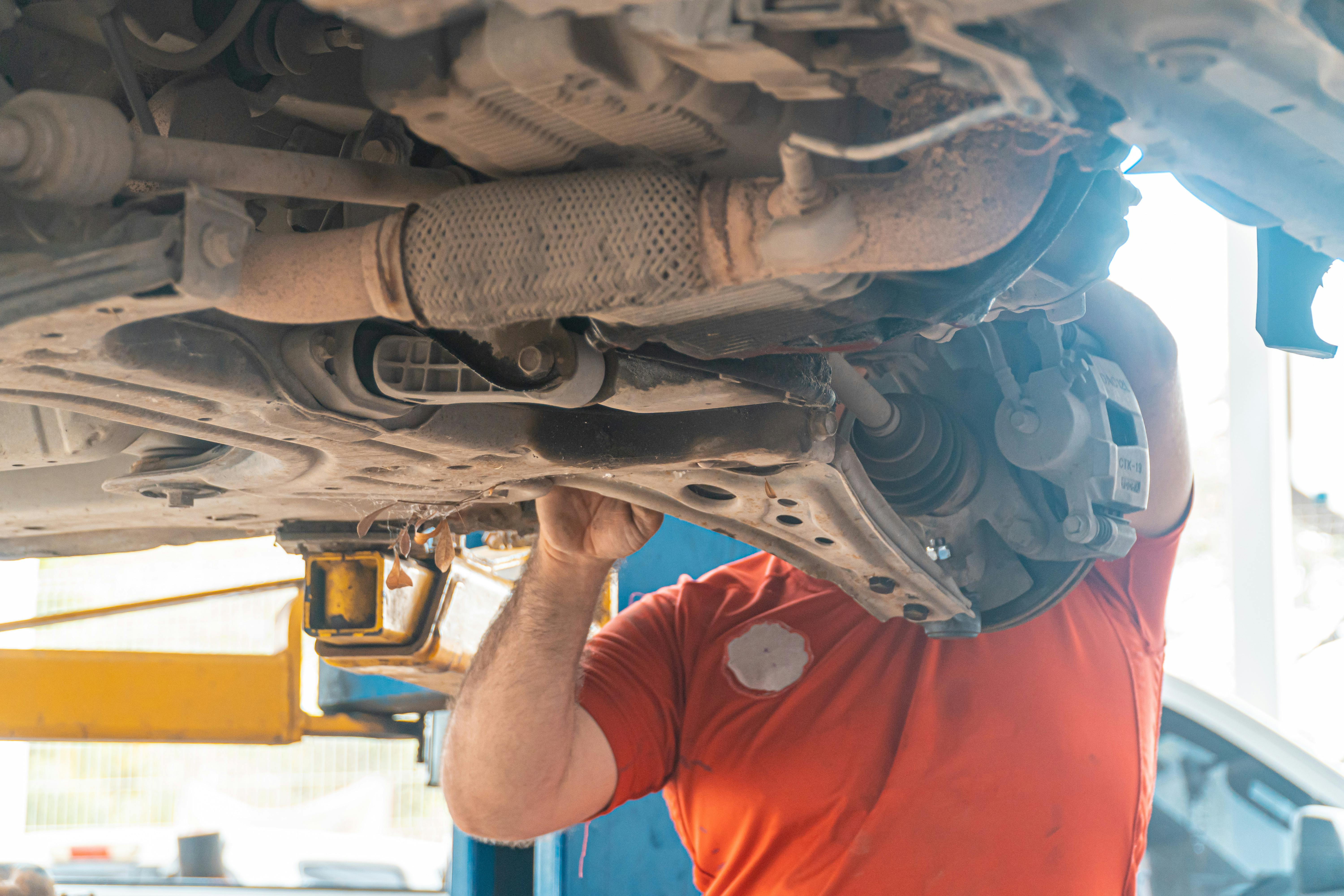
Tie rods connect the steering mechanism to the front wheels. Worn tie rod ends or loose linkage connections can create unwanted movement between the steering wheel and the tires.
- Warning signs:Excessive steering play, wandering, clunking, or uneven tire wear.
- What to inspect:A mechanic checks steering connections for looseness, worn joints, and damage.
- Why it matters:Severely worn components can compromise vehicle control.
Worn tie rods are one possible explanation for loose steering, but an inspection must confirm the fault before repairs are recommended.
2. Worn Suspension Components
Ball joints, control arm bushings, and other suspension components help maintain proper wheel position. When these parts wear, wheel movement can affect steering precision and stability.
- Warning signs:Clunking over bumps, unstable handling, wandering, or uneven tire wear.
- What to inspect:A mechanic checks joints, bushings, mounting points, and related components.
- Why it matters:Worn suspension parts can affect handling and tire life.
Potholes and rough pavement around Oak Forest and the South Suburbs can contribute to suspension wear. Experienced car suspension specialists can identify damaged components and determine whether suspension repairs or alignment checks are necessary.
3. Incorrect Wheel Alignment
Incorrect alignment can cause pulling, wandering, and frequent steering corrections. It may also produce uneven tire wear.
- Warning signs:An off-center steering wheel, uneven tread wear, or difficulty maintaining a straight path.
- What to inspect:A mechanic measures wheel angles against manufacturer specifications.
- Why it matters:Alignment adjustments cannot fix worn steering joints or damaged suspension parts.
Alignment is one of several possible loose or hard steering causes, but actual mechanical play requires further investigation.
4. Incorrect Tire Pressure or Tire Damage
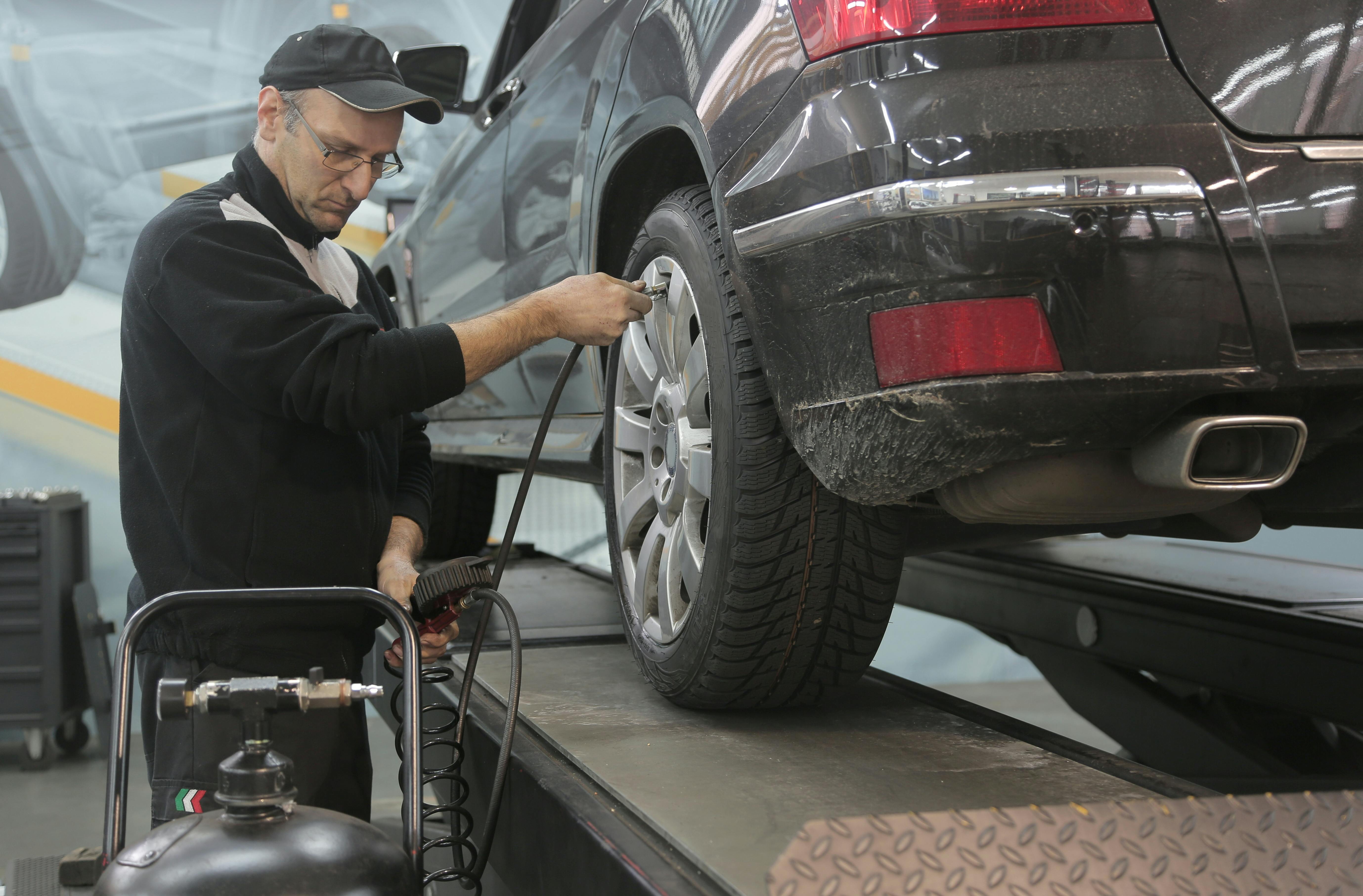
Tires influence how quickly and predictably a vehicle responds to steering input. Underinflated tires can make steering feel sluggish, while uneven pressures may contribute to pulling.
- Check cold tire pressure against the recommended figureson the driver’s door-jamb label.
- Look for bulges, cuts, and unusual tread wear.
- Have persistent steering problems inspected even after correcting tire pressure.
Tire problems may explain changes in steering feel, but they should not be assumed to be the cause of every loose steering complaint.
Common Causes of Hard Steering
1. Low Power Steering Fluid or a Leak
Hydraulic power steering uses pressurized fluid to reduce the effort required to turn the wheel. Low fluid can cause heavy steering, inconsistent assistance, or whining noises.
- Warning signs:Increased steering effort, whining while turning, or fluid beneath the vehicle.
- What to inspect:A mechanic checks the reservoir, hoses, connections, pump, and steering gear for leaks.
- Why it matters:Operating with insufficient fluid can damage the pump.
Professional power steering repair may involve fixing a leak, repairing a hose, or addressing another confirmed fault. Adding fluid alone will not solve an ongoing leak.
Not all vehicles use hydraulic power steering. Consult your owner’s manual before checking fluid, and never open a hot or pressurized system.
2. A Faulty Power Steering Pump or Belt
In hydraulic systems, the pump supplies the pressure needed to assist steering. Some pumps operate through an engine-driven belt that can slip or become damaged.
- Warning signs:Heavy steering, whining, or squealing noises.
- What to inspect:A mechanic checks belt condition, fluid level, pump operation, and system pressure when appropriate.
- Why it matters:Replacing the pump without checking other possible faults may not resolve the problem.
A whining noise does not automatically mean the pump has failed. Proper testing helps determine whether power steering repair or component replacement is appropriate.
3. Electric Power Steering or Electrical Problems
Many modern vehicles use electric power steering instead of hydraulic systems. These systems depend on electrical power, sensors, wiring, and an assist motor.
- Warning signs:Suddenly heavy steering, intermittent assistance, or a steering warning light.
- What to inspect:Diagnostic testing may include the battery, charging system, wiring, sensors, and stored fault codes.
- Why it matters:An electrical problem can reduce steering assistance without requiring a new steering motor.
Diagnostic trouble codes help identify potential faults but do not automatically prove which component has failed. Testing must establish the actual cause.
4. A Binding Steering Rack or Joint
The steering rack transfers steering wheel movement to the front wheels. Internal damage, corrosion, or binding joints can make turning stiff or uneven.
- Warning signs:Resistance while turning, inconsistent steering effort, or unusual noises.
- What to inspect:A mechanic checks the rack, joints, mounts, and connected components.
- Why it matters:The correct repair depends on where the resistance originates.
Power steering replacement may be necessary if a major component is damaged beyond reliable repair. However, stiffness alone does not prove that the steering rack or power steering unit needs replacement.

What Happens If You Ignore Steering Problems?
The consequences depend on the underlying fault:
- Reduced control:Excessive play or inconsistent assistance can make maintaining your intended path more difficult.
- Uneven tire wear:Alignment problems and worn suspension components can damage tires prematurely.
- Additional damage:Low hydraulic fluid can harm the pump, while neglected mechanical wear may affect connected components.
- Unpredictable handling:Steering may become harder to manage as certain faults progress.
Sudden loss of steering assistance, severe looseness, or binding can make driving unsafe. Stop somewhere safe and arrange professional assistance rather than continuing to drive.
How a Mechanic Diagnoses Loose or Hard Steering
Accurate diagnosis helps distinguish between different loose or hard steering causes and prevents unnecessary parts replacement.
- Review symptoms:Establish when the problem started, whether it occurs at low or high speeds, and whether turning one direction feels different.
- Inspect tires:Check pressure, tread wear, visible damage, and other factors affecting handling.
- Examine steering and suspension:Check tie rods, ball joints, bushings, joints, and mounting points for wear or looseness.
- Test power steering:Depending on the system, inspect fluid, belts, hoses, hydraulic pressure, electrical connections, and relevant sensors.
- Check alignment:Measure wheel angles when pulling, wandering, or uneven tire wear suggests an alignment concern.
- Confirm the repair:Use inspection and testing results to determine whether an adjustment, repair, or replacement is justified.
You can help by noting warning lights, noises, and the conditions under which steering changes occur. Avoid working beneath a vehicle supported only by a jack or attempting repairs without suitable equipment.
Get Steering Problems Checked at Vehicle Masters
Loose steering and hard steering can result from tire problems, worn steering connections, suspension faults, or power steering issues. Understanding the possible loose or hard steering causes is useful, but a professional inspection is the reliable way to identify the actual problem.
At Vehicle Masters, we help drivers in Oak Forest and the surrounding South Suburbs investigate steering and suspension concerns before recommending repairs. Whether you need power steering repair, suspect worn suspension components, or are considering power steering replacement, we can assess the symptoms and explain the appropriate next steps.
Call (708) 687-9955 to arrange an inspection.