
Your temperature gauge starts climbing in traffic.
Then it drops back down once you get moving.
Maybe you smell something sweet after parking. Maybe the heater feels weak on a cold morning. Maybe you keep topping off coolant, but the level keeps getting low again.
A lot of drivers ignore this because the car still runs.
That’s the problem.
The importance of a coolant is not just about having fluid in the tank. It’s about whether that fluid can still protect your engine. At Vehicle Masters, drivers often come in looking for a cooling system or radiator repair service after small cooling problems have already started spreading.
Old coolant can look harmless.
But once it breaks down, it can stop protecting the parts that keep your engine from overheating.
What This Problem Usually Feels Like
Cooling system problems usually start small.
You may notice:
The temperature gauge sits higher than normal.
The heater takes too long to warm the cabin.
There’s a sweet smell near the front of the vehicle.
Coolant level drops after you refill it.
You see a small puddle under the car.
The engine feels hotter than usual after normal driving.
Sometimes the issue only shows up in stop-and-go traffic. Other times, it happens during summer heat, long drives, or cold starts.
That is why drivers miss it.
The vehicle may seem fine on a short trip to the store. Then it overheats during a longer drive through the South Suburbs.
What May Be Happening Behind the Scenes
Coolant does more than control temperature.
It helps prevent freezing.
It helps prevent boiling.
It protects metal parts from corrosion.
It helps move heat away from the engine.
But coolant does not stay good forever.
Over time, the additives inside it wear out. Dirt, rust, and deposits can build up in the system. The fluid can become acidic or contaminated. Once that happens, the coolant may still be present, but it may not be doing its job properly.
NHTSA recommends checking that coolant meets the manufacturer’s specifications and says old coolant should be drained or replaced as needed.
That matters because cooling system damage often starts where you cannot see it.
Inside the radiator.
Inside hoses.
Around the thermostat.
Near the water pump.
Inside engine passages.
By the time the temperature warning shows up, the system may already be struggling.
Common Causes
Coolant problems usually come from a few basic things.
Old Coolant
This is the big one.
Coolant ages with heat, time, and engine operation. Consumer Reports notes that time and engine use can change coolant condition and make it less effective.
When that happens, the fluid may stop protecting parts the way it should.
What you may notice:
The coolant looks dark, rusty, cloudy, or dirty.
The engine runs hotter than usual.
The heater does not work like it used to.
Low Coolant
Low coolant usually means one of two things.
Either it was not filled properly, or it is leaking somewhere.
That leak may be obvious, like a puddle under the vehicle. Or it may be hidden. Coolant can leak onto hot parts and evaporate before it ever reaches the ground.
What you may notice:
A sweet smell.
A low reservoir.
A warning light.
The temperature gauge moving up and down.
Wrong Coolant Type
Coolant color is not enough.
Some vehicles need specific coolant formulas. Mixing the wrong types can cause deposits, poor protection, or other issues inside the system.
What you may notice:
Sludge in the reservoir.
Strange coolant color.
Repeated overheating after a recent top-off.
Worn Hoses or Clamps
Hoses carry coolant through the system.
Over time, they can crack, swell, soften, or leak. A clamp can also loosen.
What you may notice:
Wet spots near hoses.
Steam.
Coolant smell.
A sudden drop in coolant level.
Thermostat or Flow Problems
The thermostat controls coolant movement.
If it sticks closed, coolant may not circulate properly. If it sticks open, the engine may take too long to warm up.
What you may notice:
Overheating.
Weak heat.
Temperature readings that do not stay steady.
Warning Signs You Should Not Ignore
Do not wait for cooling system symptoms to get out of hand.
Watch for:
- temperature gauge rising above normal
• coolant warning light
• steam from under the hood
• sweet smell after driving
• coolant level dropping repeatedly
• rusty, oily, or muddy coolant
• weak cabin heat
• visible leaks
• gurgling after shutdown
• check engine light with temperature issues
If a warning light comes on, do not guess. Proper check engine light diagnostics can help identify what the vehicle is reporting before parts are replaced unnecessarily.
Why Waiting Can Make the Repair More Expensive
This is where small problems get expensive.
Old coolant can lead to corrosion.
Corrosion can damage the radiator, heater core, hoses, water pump, and internal passages.
Restricted flow can make the engine run hot.
Excess heat can damage gaskets and seals.
If the engine overheats badly enough, serious engine damage can happen.
That is why topping off the coolant again and again is not a real fix.
It might get you through the day.
It does not tell you why the coolant is low.
It does not clean old fluid out of the system.
It does not stop corrosion.
It does not protect the engine if the coolant has already broken down.
The longer the issue is ignored, the more parts can get involved.
How Weather and Local Driving Conditions Make It Worse
Oak Forest and nearby Illinois drivers deal with rough conditions.
Summer heat makes the cooling system work harder. Sitting in traffic with the AC on adds more stress. Long drives can expose weak hoses, low coolant, or poor circulation faster than short trips.
Winter is a different problem.
Coolant also has to protect against freezing. If the mixture is weak or contaminated, cold weather can create problems fast.
Illinois winter driving adds more stress too. IDOT warns that winter weather can be unpredictable and encourages drivers to prepare before traveling.
Around the South Suburbs, vehicles also deal with:
- road salt
• potholes
• cold starts
• slush and moisture
• stop-and-go traffic
• summer heat
• rough roads
All of that adds wear.
A cooling system that is already weak may hold up in mild weather, then fail when temperatures swing.
What a Professional Inspection Should Check
A proper inspection should not stop at looking at the reservoir.
The vehicle should be checked when the engine is cool.
A technician may look at:
- coolant level
• coolant color and condition
• signs of rust, sludge, oil, or contamination
• hoses and clamps
• radiator condition
• pressure cap condition
• thermostat behavior
• visible leaks
• cooling fan operation
• belt condition where relevant
• signs of overheating
Sometimes a pressure test is needed to find a leak that only appears when the system is under pressure.
That kind of inspection helps separate a simple maintenance issue from a deeper problem.
It also helps drivers avoid replacing parts based on guesses.
For routine inspections and vehicle care, Vehicle Masters’ maintenance and general repair service page is a good place to understand how regular checks can help prevent bigger issues.
Common Mistakes Drivers Make
Most cooling system damage does not happen because the driver does not care.
It happens because the signs seem small.
Common mistakes include:
- adding water every time coolant gets low
• opening the radiator cap while the engine is hot
• choosing coolant by color only
• ignoring a sweet smell
• driving after the temperature gauge rises
• assuming coolant is fine because the tank is full
• delaying service because the car still starts
• ignoring weak heat in winter
• waiting until steam comes from under the hood
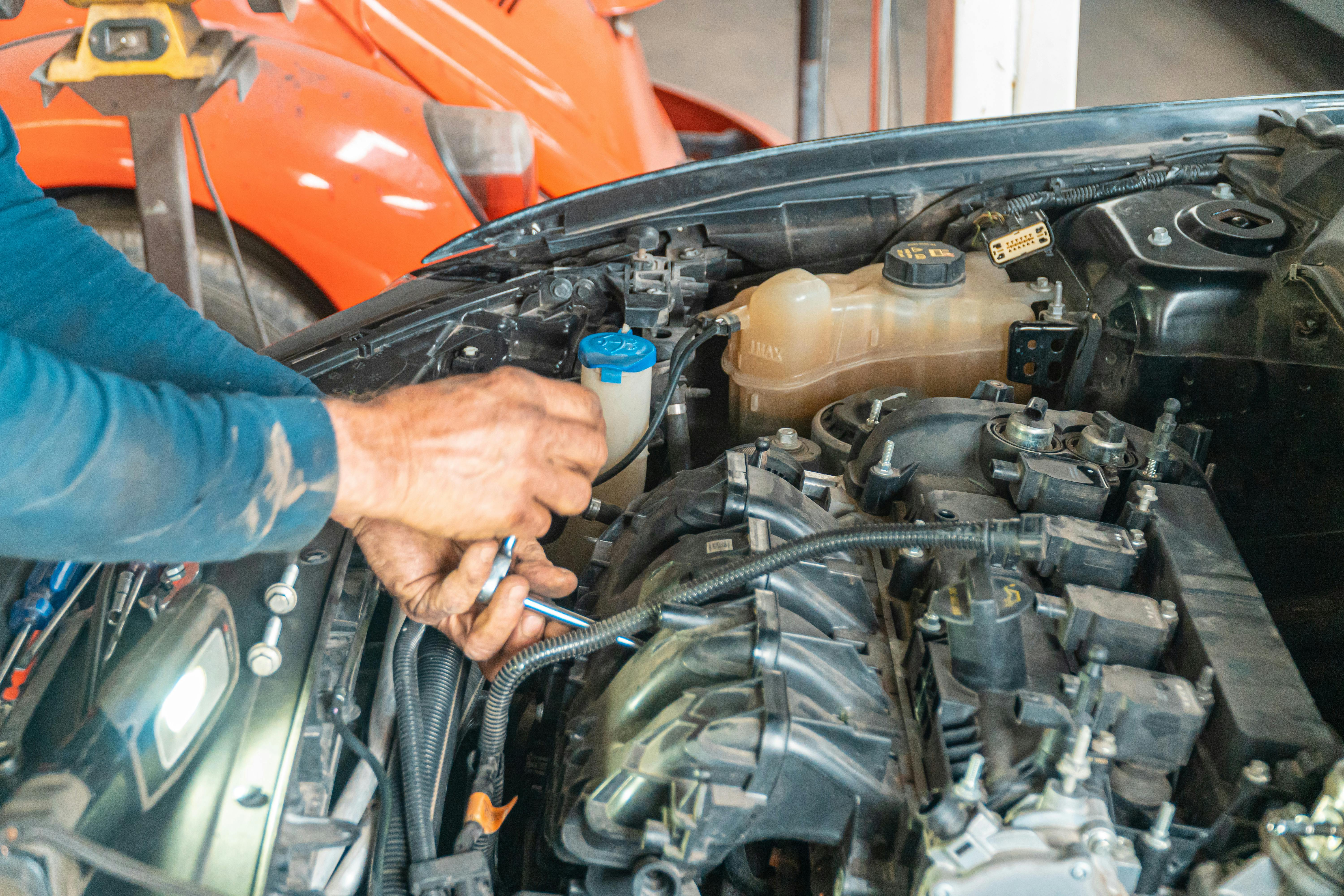
Here’s the simple rule.
If the coolant level keeps changing, something is wrong.
If the temperature gauge moves above normal, something is wrong.
If the coolant looks dirty, something is wrong.
Do not wait for the engine to overheat before taking it seriously.
When to Bring Your Vehicle In
Bring the vehicle in if you notice the temperature gauge rising, coolant loss, weak heat, or any coolant smell after driving.
Also bring it in if the coolant looks rusty, dark, oily, muddy, or cloudy.
It also makes sense to have the system checked before seasonal stress hits.
Before summer heat.
Before winter cold.
Before a long drive.
Before ignoring a small leak turns into a tow.
If the vehicle overheats, pull over safely and shut it off. Let it cool completely before checking anything. Do not open the radiator cap while the engine is hot.
Driving an overheating engine can turn a manageable problem into serious damage.
Get Clear Answers Before the Problem Gets Worse
It’s vital to remember one thing: old coolant can stop protecting your engine before you realize anything is wrong.
Vehicle Masters helps drivers in Oak Forest and the surrounding South Suburbs get clear answers without guesswork. Whether you are dealing with overheating, coolant loss, warning lights, or concerns about the cooling systems or radiators , the team can inspect the issue and explain what makes sense next.
If your vehicle is showing the aforementioned cooling system symptoms, contact Vehicle Masters before heat, corrosion, or leaks lead to bigger engine damage.