
You press the brake pedal, expecting firm resistance, but it sinks farther than usual or feels soft under your foot. Maybe you need to press harder to slow down, or the pedal feels springy when you stop at a traffic light. These symptoms can point to several soft brake pedal causes, and figuring out which one is responsible matters for your safety.
Understanding what you notice, what might be causing it, and what a mechanic needs to check can help you make a safer decision about your next step.
What Does a Soft or Spongy Brake Pedal Feel Like?
Drivers describe brake pedal problems in different ways. Pay attention to how the pedal behaves, especially if its feel has changed recently.
- A spongy pedal: The pedal feels springy or compresses more than expected before the brakes respond. Air in the hydraulic system is one possible explanation.
- A pedal that sinks slowly: You press the pedal, and it gradually moves toward the floor while you maintain pressure. This can indicate an internal master cylinder problem or a hydraulic leak.
- A low brake pedal: The pedal travels farther than normal before braking begins. Worn components, excessive clearance, or hydraulic issues may be responsible, depending on the vehicle.
- A hard pedal: The pedal requires unusually high effort to push down. This is different from a spongy pedal and can indicate a problem with the brake booster or vacuum supply, among other possibilities.
- A pedal that changes suddenly: If the pedal becomes soft during a drive or braking performance drops unexpectedly, treat the change as a serious warning.
These differences help narrow down the possibilities, but no single symptom confirms which component has failed. An inspection is necessary to identify the cause.
Common Soft Brake Pedal Causes
Several parts of the braking system can produce similar symptoms. The important thing is to identify the actual fault before deciding whether the vehicle needs fluid service, component repair, or brake replacement.
1. Air in the Brake Lines
- Your vehicle’s hydraulic brakes rely on brake fluid to transfer pressure from the pedal to the braking components at each wheel. Air compresses more easily than brake fluid, which can make the pedal feel soft or springy.
- Air can enter the system during brake repairs, fluid loss, or when a hydraulic component develops a leak. A recent brake service followed by a spongy pedal is worth mentioning to your mechanic.
- A technician may need to bleed the brake system to remove trapped air, but the source of the air should also be investigated. Simply bleeding the brakes will not solve an underlying leak.
2. Low Brake Fluid or a Hydraulic Leak

- Low brake fluidis one of the more concerning causes of a soft brake pedal because it may indicate that fluid is escaping from the system.
- Possible leak points include brake lines, flexible hoses, calipers, wheel cylinders, and connections. The master cylinder may also leak externally.
- You might notice a fluid puddle beneath the vehicle or a brake warning light on the dashboard. However, a leak can be hidden, and not every leak produces an obvious puddle.
- If fluid loss reduces hydraulic pressure, braking performance can deteriorate. A mechanic should locate and repair the leak, then verify the system’s operation before the vehicle returns to service.
3. A Failing Master Cylinder
- The master cylinder converts pressurefrom your foot into hydraulic pressure that operates the brakes.
- If its internal seals wear or fail, fluid may bypass the seals inside the cylinder. One possible symptom is a pedal that slowly sinks while you hold steady pressure.
- The brake fluid reservoir may still appear full because an internal failure does not necessarily cause an external leak.
- A mechanic can test the master cylinder and inspect the rest of the hydraulic system before recommending replacement. A sinking pedal alone does not prove the master cylinder is defective.
4. Worn or Damaged Brake Components
- Worn brake pads commonly cause squealing, grinding, or reduced braking performance, but they are not automatically the explanation for a spongy pedal.
- Excessive movement in certain calipers, damaged hardware, or problems with rear drum brake adjustment, where fitted, may contribute to excessive pedal travel.
- A damaged brake hose can also affect hydraulic performance. Some hoses may expand under pressure when their internal structure deteriorates.
- Proper brake pad repair or replacement may be necessary when inspection confirms excessive wear. However, replacing pads alone will not correct air in the lines, a hydraulic leak, or a faulty master cylinder.
5. Brake Fluid Problems
- Brake fluid absorbs moisture over time, which can lower its boiling point. Under heavy braking, overheated fluid can develop vapor that compresses and causes a soft pedal.
- This is particularly concerning after repeated hard stops, driving downhill for extended periods, or other conditions that generate substantial brake heat.
- Contaminated or incorrect fluid can also affect system performance and damage components, depending on the type of contamination.
- A mechanic can check fluid condition, investigate the reason for any low level, and determine whether a fluid exchange or additional repairs are appropriate for your vehicle.
AAA explains how brake fluid transfers hydraulic pressure and why moisture or low fluid levels can compromise braking. See its guide to understanding vehicle fluids.
What Happens If You Ignore a Spongy Brake Pedal?
- Longer stopping distances: If the system cannot generate or maintain sufficient hydraulic pressure, your vehicle may take longer to stop, especially in an emergency.
- Unpredictable braking: A pedal that feels different from one stop to the next makes it harder to judge how much pressure is needed.
- Worsening component damage: A leak or failing component can progress, potentially affecting additional parts of the braking system.
- Greater danger in traffic: Stop-and-go driving around Oak Forest and the surrounding South Suburbs requires frequent, predictable braking. A compromised system can leave you less prepared for a sudden stop.
The risk depends on the underlying problem, but a soft pedal should never be dismissed simply because the car still stops.
How a Mechanic Diagnoses a Soft Brake Pedal
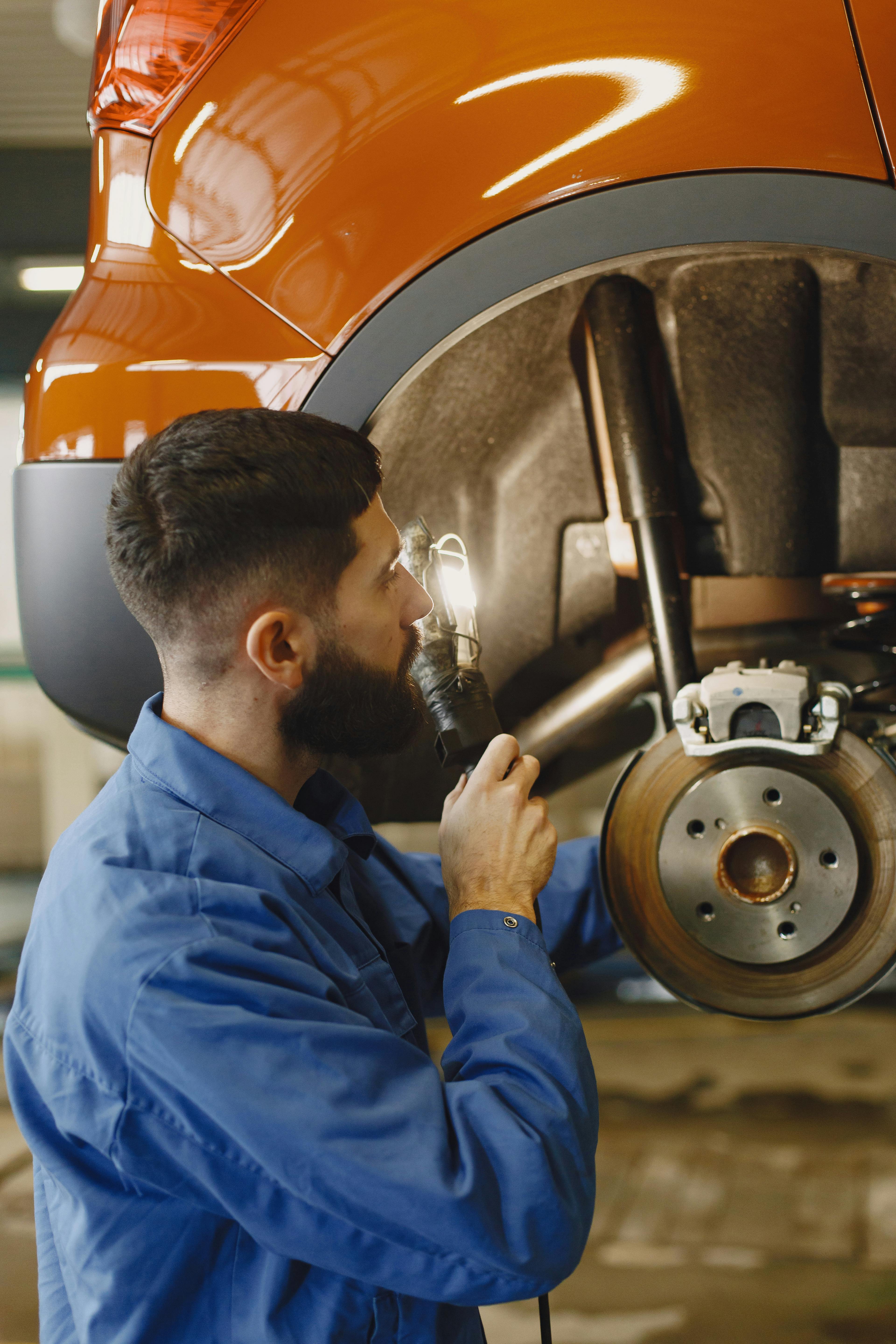
Accurate diagnosis helps prevent unnecessary parts replacement. During auto brake repair, a technician should evaluate the complete system instead of assuming the most familiar cause is responsible.
An inspection may include:
- Checking brake fluid level and condition, along with the reservoir, master cylinder, lines, hoses, calipers, and wheel cylinders where applicable.
- Examining pad thickness, rotor condition, caliper operation, and other components that may affect braking.
- Evaluating pedal travel and whether hydraulic pressure is maintained under appropriate test conditions.
- Checking the anti-lock braking system (ABS) when symptoms or warning lights indicate a possible issue. Some vehicles require specific procedures or diagnostic equipment to remove trapped air from ABS components.
- Determining whether the problem calls for bleeding the system, correcting a leak, servicing worn components, or replacing a confirmed faulty part.
The findings determine whether brake replacement, hydraulic repairs, or another solution is appropriate. You can learn more about Vehicle Masters’ brake repair and replacement services.

Get Your Brakes Checked at Vehicle Masters in Oak Forest
At Vehicle Masters, we focus on identifying the cause before recommending repairs. We inspect brake components and hydraulic systems to help drivers understand what their vehicles need. If your brake pedal feels spongy, sinks under pressure, or travels farther than usual, contact Vehicle Masters to discuss an inspection or an auto brake repair.
Reliable braking starts with knowing what is wrong. Get the problem checked for possible soft brake pedal causes before a minor warning becomes a more serious safety concern.
Vehicle Masters at (708) 687-9955 to arrange an inspection.