
Your car feels sluggish when you accelerate, the check engine light stays on, or an unusual smell comes from the exhaust. These problems can point to a failing catalytic converter, but they can also indicate trouble with the ignition system, oxygen sensors, or other engine components.
Recognizing the failing catalytic converter signs early can help you avoid additional damage and determine whether you need catalytic converter replacement or a different repair. The key is to identify the actual cause instead of assuming the converter is responsible for every exhaust or performance problem.
What Does a Catalytic Converter Do?
The catalytic converter is part of your vehicle’s exhaust system. It uses chemical reactions to convert harmful exhaust pollutants into less harmful gases before they leave the tailpipe.
- Controls emissions: It helps reduce pollutants produced during combustion.
- Supports proper engine operation: A functioning converter allows exhaust gases to flow through the system as designed.
- Works with other components: Oxygen sensors and the engine control system monitor conditions that affect emissions performance.
A converter can deteriorate over time, become restricted, or suffer internal damage. Engine problems can also damage it prematurely. That’s why identifying the original cause matters before deciding on catalytic converter repair or replacement.
7 Failing Catalytic Converter Signs to Watch For
Not every vehicle shows the same symptoms. Pay attention to changes in performance, dashboard warnings, and exhaust behavior, especially when several symptoms occur together.
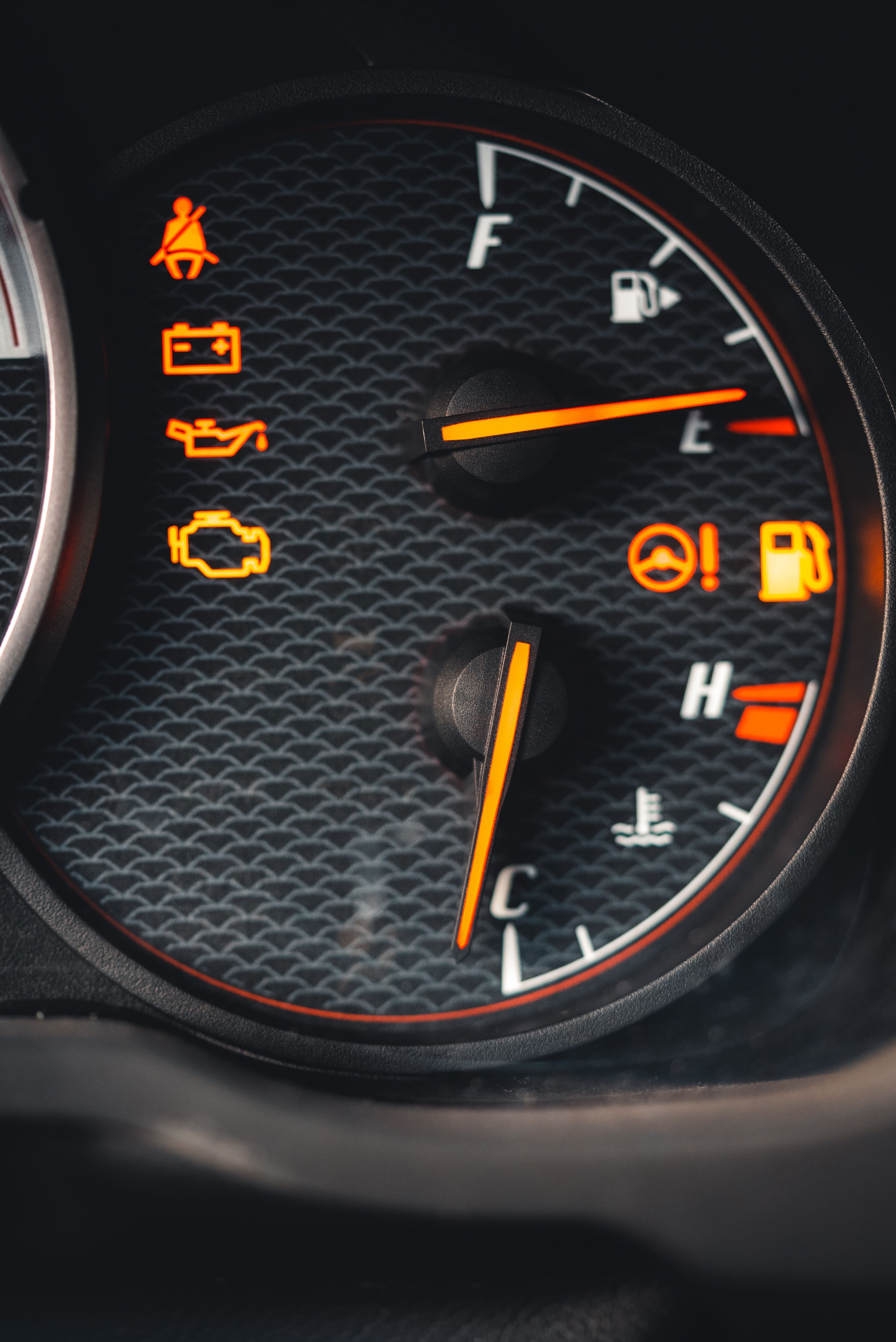
1. Your Check Engine Light Comes On
- What you may notice: The check engine light illuminates, sometimes without any obvious change in how the car drives.
- What it could mean: The engine computer has detected a problem involving emissions, sensor readings, combustion, or catalytic converter efficiency.
- What to do: Arrange diagnostic testing rather than replacing parts based on the warning light alone.
A code such as P0420 can indicate that catalyst efficiency is below the expected threshold. However, a faulty oxygen sensor, an exhaust leak, or an underlying engine problem can produce related symptoms or misleading readings. The code is a starting point, not proof that the converter has failed.
2. Acceleration Feels Sluggish
- What you may notice: Your vehicle struggles to gain speed, responds slowly when you press the accelerator, or loses power under load.
- What it could mean: A severely restricted converter may prevent exhaust gases from flowing freely. However, ignition faults, fuel delivery problems, and airflow sensor issues can also reduce engine power.
- What to do: Have the engine and exhaust systems inspected to identify the source of the lost performance.
A restriction can become more noticeable when climbing hills or accelerating onto a highway. If the loss of power is sudden or severe, avoid continuing to drive and arrange professional assistance.
3. You Notice a Rotten-Egg Smell
- What you may notice: An unusual sulfur-like odor around the vehicle, particularly near the exhaust.
- What it could mean: The smell can indicate an emissions problem, including a converter that is not processing exhaust gases correctly. Fuel mixture problems can also contribute.
- What to do: Have the exhaust and engine controls checked instead of relying on the smell alone.
A rotten-egg odor does not automatically mean you need a catalytic converter replacement. A mechanic should determine whether the converter is damaged or another issue is affecting exhaust chemistry.
If you smell exhaust fumes inside the cabin, stop driving, exit the vehicle in a safe location, and seek assistance. Exhaust can contain carbon monoxide, which is dangerous even when you cannot smell it.
4. Fuel Economy Gets Worse
- What you may notice: You visit the gas station more often even though your driving habits have not changed significantly.
- What it could mean: An exhaust restriction can affect engine performance, while a rich fuel mixture, malfunctioning sensors, or ignition problems may increase fuel consumption.
- What to do: Compare your fuel economy over several fill-ups and arrange an inspection if the change persists.
Poor mileage alone is not one of the most reliable failing catalytic converter signs. It becomes more meaningful when combined with a check engine light, reduced acceleration, or other engine symptoms.
5. Your Engine Misfires or Runs Rough
- What you may notice: The engine shakes at idle, hesitates, stumbles during acceleration, or feels unusually uneven.
- What it could mean: Worn spark plugs, failing ignition coils, fuel delivery problems, or sensor faults may be disrupting combustion.
- Why it matters: Unburned fuel entering the exhaust can overheat and damage the catalytic converter.
This is an important distinction: a misfire can cause converter damage rather than result from it. Correcting the ignition or fuel problem may be necessary even if the converter also requires attention.
If the check engine light flashes, reduce engine load and pull over somewhere safe as soon as possible. A flashing light often indicates a serious misfire that can quickly damage emissions components. Do not continue driving normally in an attempt to see whether the warning disappears.
6. You Hear Rattling Under the Vehicle
- What you may notice: A metallic rattle comes from underneath the car, particularly when starting the engine or accelerating.
- What it could mean: The converter’s internal ceramic structure may have cracked or broken apart. Loose exhaust shields, damaged hangers, or other exhaust components can create similar noises.
- What to do: Have the exhaust system inspected to locate the noise and check for internal damage.
A rattling converter may still allow exhaust to flow, but broken internal material can shift and contribute to a restriction. Depending on the source, the solution may involve exhaust repair, muffler repair, or replacing a damaged converter.
7. Your Vehicle Fails an Emissions Test
- What you may notice: Your vehicle fails an emissions inspection, or its onboard diagnostic system reports an emissions-related fault.
- What it could mean: The converter may not be reducing pollutants effectively, but faulty sensors, engine misfires, and other emissions system problems can also cause a failure.
- What to do: Review the test results and have the relevant systems checked before choosing a repair.
Proper emissions repair addresses the underlying fault rather than simply clearing the warning light. A failed test is useful diagnostic evidence, but further testing may be needed to confirm whether the converter itself is responsible.
How a Mechanic Confirms a Failing Catalytic Converter
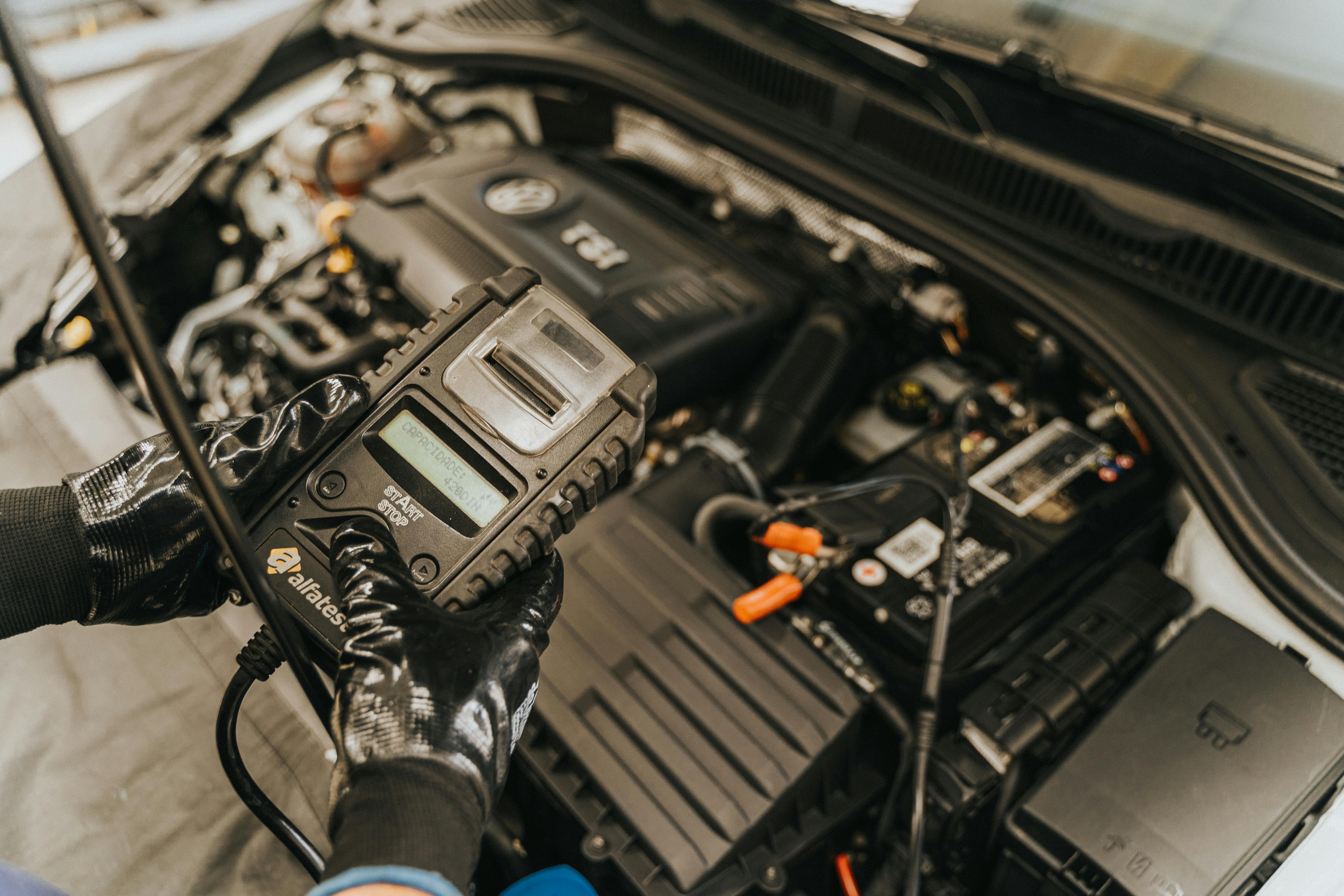
The most reliable way to identify failing catalytic converter signs is to combine the driver’s observations with diagnostic testing and a physical inspection.
A mechanic may:
- Read diagnostic trouble codes: Retrieve stored codes and relevant live data to identify potential emissions, sensor, or engine problems.
- Check oxygen sensor operation: Compare sensor readings and verify whether the sensors and their circuits are functioning as expected.
- Investigate engine misfires: Inspect spark plugs, ignition coils, fuel delivery, and related components when symptoms suggest a combustion problem.
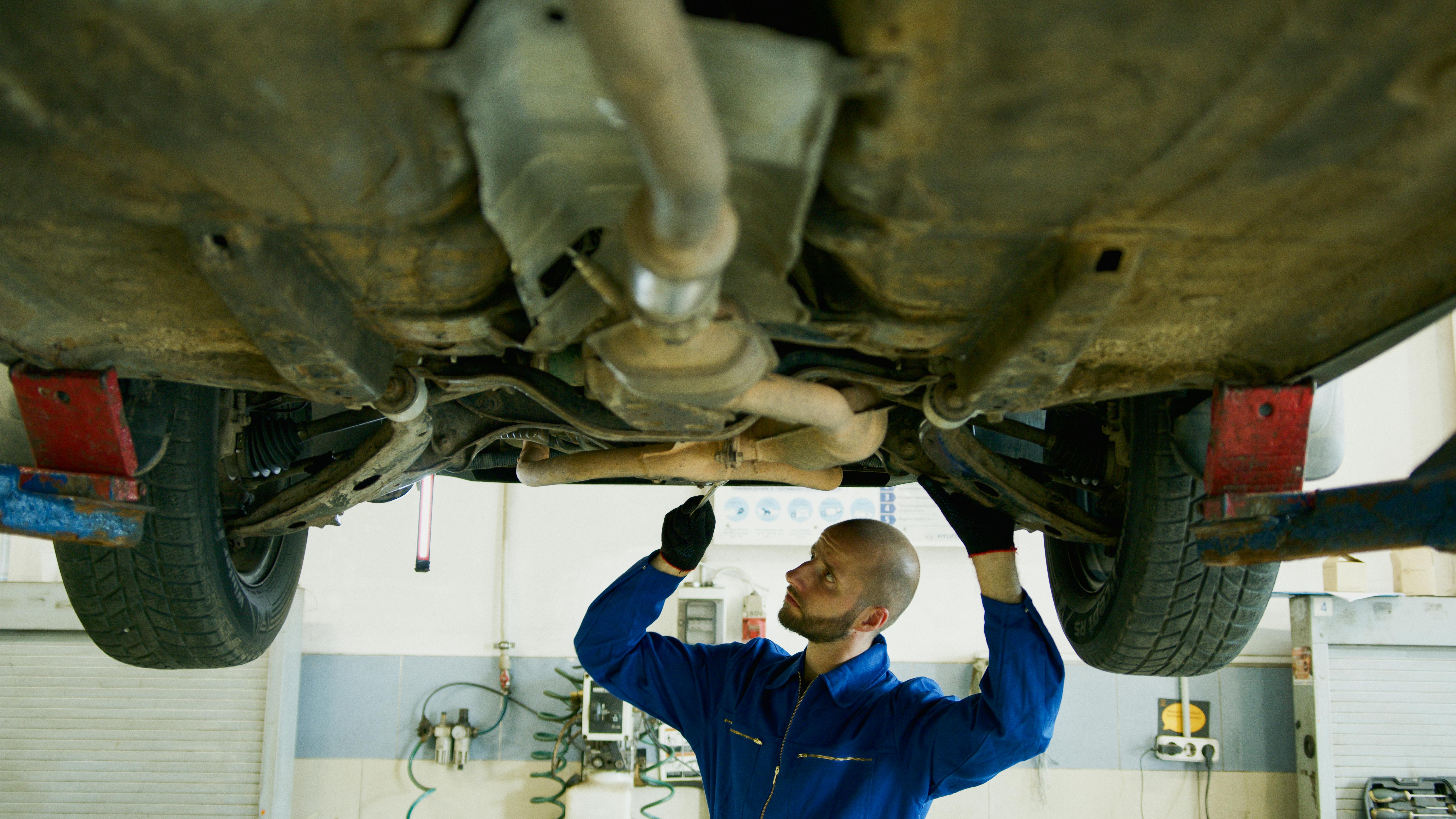
- Inspect the exhaust system: Look for leaks, damaged connections, corrosion, impact damage, and loose components.
- Test for exhaust restriction: Use appropriate tests, such as exhaust backpressure measurements, when reduced flow is suspected.
The exact tests depend on the vehicle and symptoms. As the U.S. Environmental Protection Agency explains in its onboard diagnostics guidance, diagnostic systems help identify emissions-related malfunctions, but the stored information must be interpreted correctly.
Vehicle Masters follows this diagnostic-first approach. Our check engine light diagnostics help identify the cause of a warning before we recommend repairs.
Get Catalytic Converter Problems Checked in Oak Forest
Experiencing failing catalytic converter signs? At Vehicle Masters, we help drivers in Oak Forest and the surrounding South Suburbs identify exhaust and engine problems through practical diagnostics. Whether your vehicle needs catalytic converter replacement, catalytic converter repair, or another form of exhaust repair, the right next step is confirming the cause.
Vehicle Masters at (708) 687-9955 to arrange an inspection.