
A steering wheel should respond smoothly every time you turn it. If it suddenly feels heavy, difficult to turn, or inconsistent, it is a sign that something in the steering or suspension system needs attention. While many people immediately assume they need power steering repair, a stiff steering wheel can result from several different mechanical or hydraulic issues.
Finding the real cause requires more than replacing parts. Modern vehicles have multiple systems working together to provide responsive steering, including the steering rack, suspension, tires, belts, and cooling components. An experienced car mechanic will inspect each of these areas to efficiently and effectively identify the problem before recommending repairs. Understanding the most common stiff steering wheel causes can help you recognize warning signs early and avoid more extensive repairs later.
Low or Contaminated Power Steering Fluid
One of the first things technicians inspect when diagnosing steering resistance is the condition of the power steering fluid. Hydraulic steering systems rely on clean fluid to transfer pressure from the pump to the steering gear. If the fluid level drops or becomes contaminated, steering effort can increase noticeably.
Low fluid levels often result from leaks around hoses, seals, or the steering rack itself. Dirt and debris can also reduce the fluid’s effectiveness, creating additional friction inside the system. Symptoms may include:
- Increased steering effort
- Whining noises while turning
- Jerky steering response
- Steering that becomes harder at low speeds
A Worn or Failing Power Steering Pump
The power steering pump generates the hydraulic pressure needed to reduce steering effort. As the pump wears, it may struggle to maintain consistent pressure, particularly when the engine is idling or during slow-speed maneuvers. A failing pump often produces:
- Groaning or whining noises
- Intermittent steering stiffness
- Heavy steering after starting the vehicle
- Reduced steering assistance while parking
Because several steering components can produce similar symptoms, technicians avoid guessing. Instead, they verify hydraulic pressure and inspect the entire system before taking further action.
Damaged Steering Components
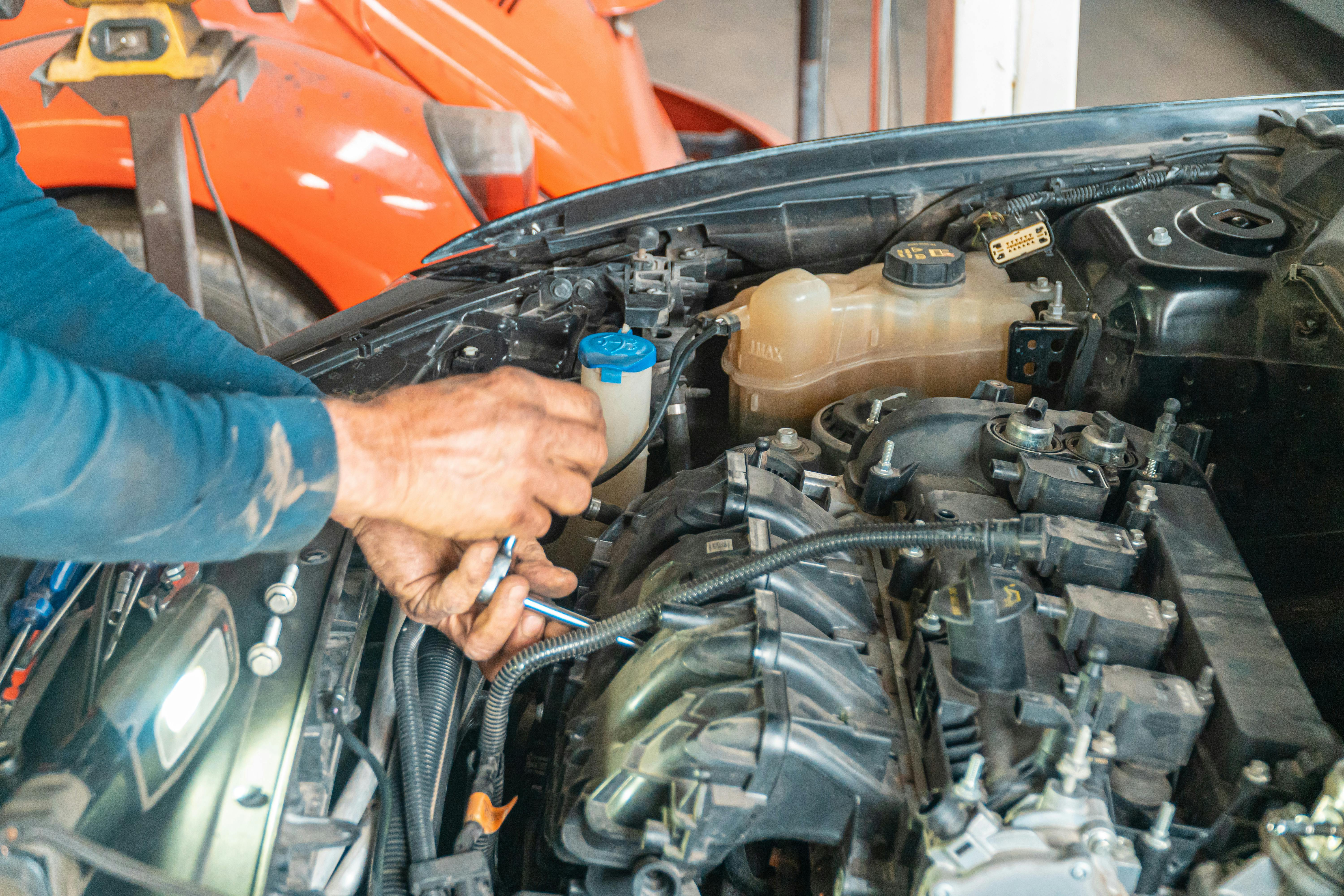
Not every steering problem begins with the hydraulic system. Mechanical wear inside the steering linkage can also create resistance. Over time, components such as tie rods, ball joints, steering racks, and bushings naturally wear. Corrosion, road debris, and lack of lubrication can further increase friction throughout the steering system.
When these components begin to bind, drivers may notice:
- Steering that feels stiff in one direction
- Uneven steering effort
- Clunking sounds while turning
- Wandering during highway driving
Since these components work closely with the suspension, many steering complaints are discovered during a complete suspension repair inspection. Addressing worn parts early helps restore steering precision while preventing unnecessary wear on nearby components.
Suspension Problems Can Affect Steering
Drivers are often surprised to learn that steering performance depends heavily on the condition of the suspension. Worn control arms, damaged bushings, weak springs, or failing shocks can all influence how the steering wheel feels. For example, a vehicle with worn suspension components may feel unstable when cornering or require additional steering effort to maintain a straight path.
Common suspension-related issues include:
- Worn control arm bushings
- Broken coil springs
- Excessive suspension movement
- Uneven tire contact with the road
Because suspension systems work together, experienced technicians inspect them as a complete assembly rather than focusing on one part alone.
Improper Wheel Alignment
Wheel alignment has a significant impact on steering feel. When the wheels no longer point in their proper direction, the steering system must work harder to keep the vehicle tracking straight. Misalignment commonly develops after:
- Hitting potholes
- Striking curbs
- Suspension repairs
- Normal component wear
Signs of poor alignment include:
- Steering wheel pulling to one side
- Off-center steering wheel
- Uneven tire wear
- Increased steering effort
A professional wheel alignment restores the proper steering geometry, helping reduce unnecessary strain on steering and suspension components while improving overall vehicle handling.
Worn or Damaged Tires
Tires play a larger role in steering performance than many drivers realize. Uneven tread wear, incorrect tire pressure, internal tire damage, or mismatched tires can all increase steering resistance. Low tire pressure creates additional rolling resistance, making the steering wheel feel noticeably heavier, especially at lower speeds. Excessively worn tires can also reduce steering response and make the vehicle feel less predictable during turns. During a steering inspection, technicians examine tire condition alongside the rest of the steering and suspension system because a simple tire replacement may resolve handling concerns before they lead to additional wear elsewhere.
A Worn Serpentine Belt
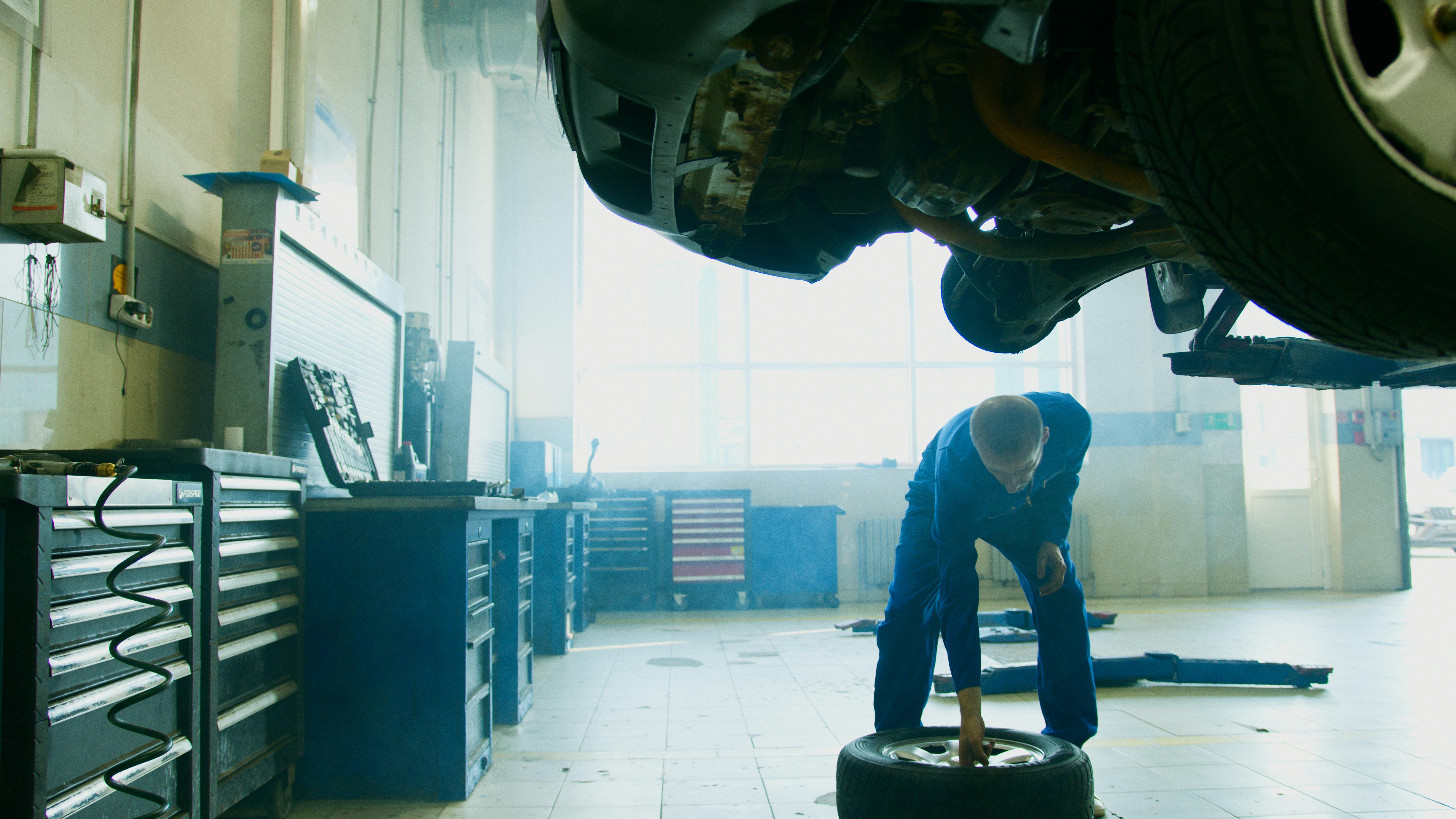
Many hydraulic power steering systems depend on the engine-driven serpentine belt to operate the power steering pump. If the belt becomes loose, cracked, glazed, or stretched, it may slip under load and reduce steering assistance. Drivers may notice steering that becomes heavier during parking or low-speed turns, particularly if accompanied by squealing noises from the engine compartment.
A routine inspection can determine whether serpentine belt replacement is needed before the belt fails completely and leaves multiple engine accessories without power.
Cooling System Issues Can Contribute
Although the cooling system does not directly control steering, overheating can affect engine performance and place additional stress on several vehicle systems. In some cases, overheating may also damage belts or related components that support hydraulic steering. Problems involving a failing water pump, thermostat, or radiator should always be addressed promptly to prevent larger mechanical problems from developing. Because today’s vehicles operate as interconnected systems, experienced technicians evaluate the vehicle as a whole rather than assuming every steering complaint has a single cause.
Electronic Steering Systems Require Accurate Diagnosis
Many newer vehicles use electric power steering instead of hydraulic systems. Rather than relying on fluid pressure, these systems use electric motors, sensors, and control modules to provide steering assistance. If one of these components develops a fault, the steering wheel may suddenly feel heavier or inconsistent. Potential causes include:
- Faulty steering angle sensors
- Electrical connection problems
- Damaged wiring
- Failing control modules
Proper diagnosis involves professional scan tools along with mechanical inspections to determine whether the fault is electrical or mechanical. Simply replacing parts without testing often leads to unnecessary expense while leaving the original problem unresolved.
Why Accurate Diagnosis Matters
Steering concerns can have many similar symptoms, but very different causes. A vehicle with worn suspension parts may feel almost identical to one with low power steering fluid or an electrical steering fault.
That is why experienced technicians focus on efficiently and effectively identifying vehicle problems before recommending repairs. Rather than replacing components based on assumptions, they inspect the steering system, suspension, tires, belts, and related mechanical systems to determine exactly what is causing the resistance.
This approach helps drivers avoid unnecessary repairs while restoring safe, predictable handling.
Don’t Ignore a Stiff Steering Wheel
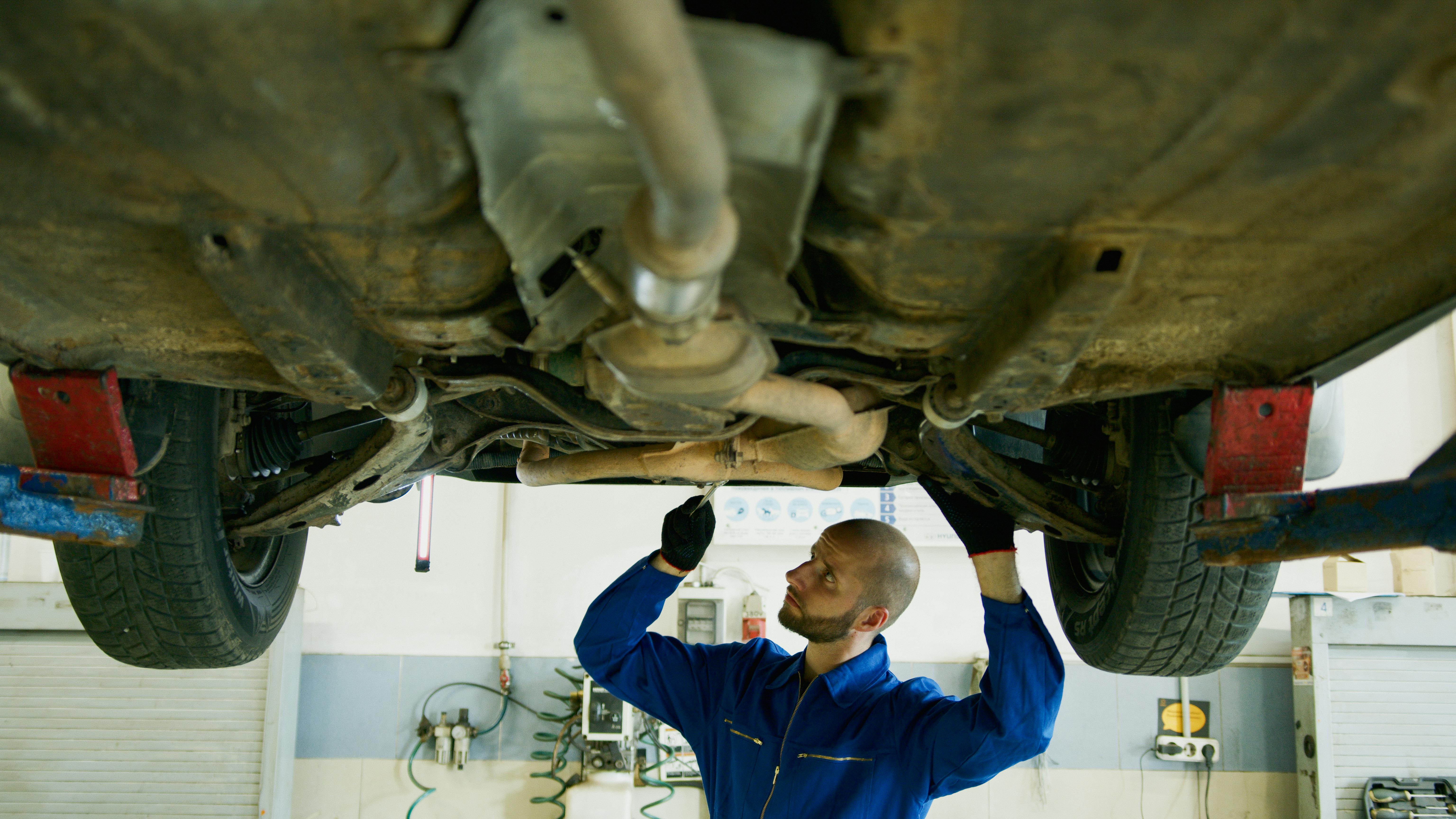
A steering wheel that becomes harder to turn rarely fixes itself. In many cases, the underlying problem gradually worsens, increasing repair costs and reducing vehicle safety. Addressing steering concerns early can also prevent excessive wear on tires, suspension components, and other connected systems. Whether the issue involves worn steering components, a failing pump, suspension wear, or another mechanical fault, having the vehicle inspected promptly is the safest approach.
Vehicle Masters is a trusted auto repair shop serving Oak Forest, the South Suburbs, and surrounding communities. The team focuses on efficiently and effectively identifying vehicle problems, clearly explaining the cause, and completing repairs without unnecessary guesswork. If your vehicle needs power steering repair, suspension replacement, or general auto repair, you can count on practical advice, competitive pricing, and customer-focused service.
To learn more about the team, visit the About Us page. If your vehicle needs professional Suspension Repair or you are ready to Contact Vehicle Masters, call 708-687-9955 for prompt attention to your needs and speak directly with an experienced technician.