
Most drivers interact with auto repair shops only when something goes wrong — and by that point, they’re already stressed, pressed for time, and unsure who to trust. That experience doesn’t have to be the norm. Understanding what professional auto repair services actually involve, what separates a thorough shop from a rushed one, and what to expect at every stage of the process gives you a real advantage as a vehicle owner. You make better decisions, ask better questions, and avoid the kind of deferred maintenance that turns small problems into expensive ones.
This guide covers the full picture — from how diagnostics work to which services matter most and why — so you walk into any shop, including ours, with confidence. Drivers across the South Suburbs and surrounding communities deserve honest, clear information about their vehicles. That’s what this is.
What Makes a Shop Truly Full-Service
The phrase “full-service” gets used loosely in the automotive industry. In practice, it means a shop can handle your vehicle’s needs across every major system — not just oil changes or brakes, but the full range of mechanical, electrical, and diagnostic work a modern vehicle requires. A genuinely full-service shop doesn’t hand you off to a specialist for half your repairs or tell you they don’t work on certain systems.
At Vehicle Masters, the scope of professional auto repair services spans everything from routine maintenance to complex engine work, suspension rebuilds, exhaust replacement, and electrical diagnostics. Every vehicle — domestic or foreign, daily driver or custom build — receives a comprehensive inspection before any work begins. Nothing gets authorized without the customer’s approval, and the focus is always on identifying exactly what the vehicle needs rather than running up a repair list.
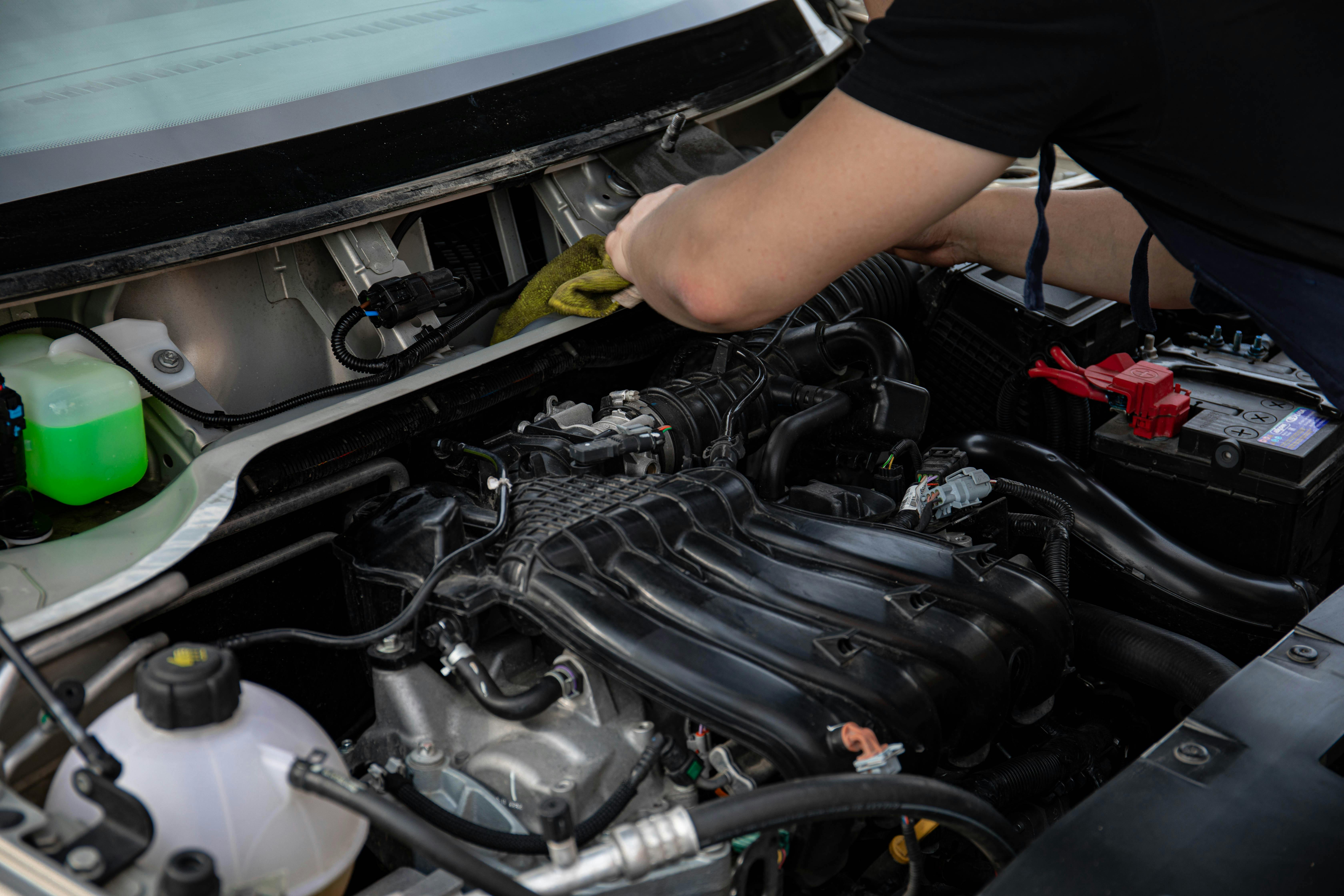
How Diagnostics Actually Work
When a warning light appears on your dashboard or your vehicle starts behaving strangely, the first step is accurate diagnosis. Many drivers assume a diagnostic scan gives technicians a complete answer — in reality, a scan reads fault codes stored by the vehicle’s computer, which point toward a system or circuit that has reported an issue. From there, the technician’s job is to verify the fault, test components, and identify the actual cause, not just the symptom.
Common systems that frequently require diagnostic work:
- Engine management — misfires, rough idle, poor fuel economy, and sensor-related faults often require a combination of scan data and live readings to diagnose accurately.
- Charging system — battery drain, slow starts, and electrical failures often point to the alternator, battery, or wiring rather than a single obvious component.
- Emissions system —catalytic converter replacement or emissions repair often begins with a diagnostic scan that points toward specific oxygen sensor readings or converter efficiency codes.
- Brake system — ABS faults, spongy pedals, and unusual noises require inspection of pads, rotors, calipers, brake lines, and the ABS module to pinpoint the right repair.
- Cooling system — overheating, temperature fluctuations, and coolant loss involve multiple components, including the water pump, thermostat, radiator, and hoses.
Engine and Powertrain Services
The engine is the most complex and most costly system in any vehicle, which makes early detection of problems especially valuable. Technicians working on engine issues inspect timing components, fuel delivery, ignition systems, sensors, and internal wear, depending on what the vehicle presents. An engine repair service might involve replacing a timing chain, head gaskets, intake components, or sensors — each of which affects engine performance in different ways.
Engine-related services that prevent larger failures:
- Auto tune-up — spark plugs, ignition components, fuel injectors, and air and fuel filters all affect combustion efficiency. A proper car tune-up addresses these items on schedule rather than waiting for performance to decline visibly.
- Fuel system service — fuel pumps, injectors, and fuel lines deliver the precise amount of fuel the engine needs at any given moment. A failing fuel pump or restricted injector causes hesitation, poor acceleration, and eventually a no-start condition.
- Serpentine belt service — the serpentine belt drives the alternator, power steering pump, AC compressor, and water pump simultaneously. Serpentine belt replacement at the manufacturer’s interval prevents a single belt failure from taking down multiple systems at once.
- Cooling system service — water pump replacement, thermostat service, and radiator repair keep the engine operating within its proper temperature range. Overheating is one of the fastest ways to cause serious and expensive internal engine damage.
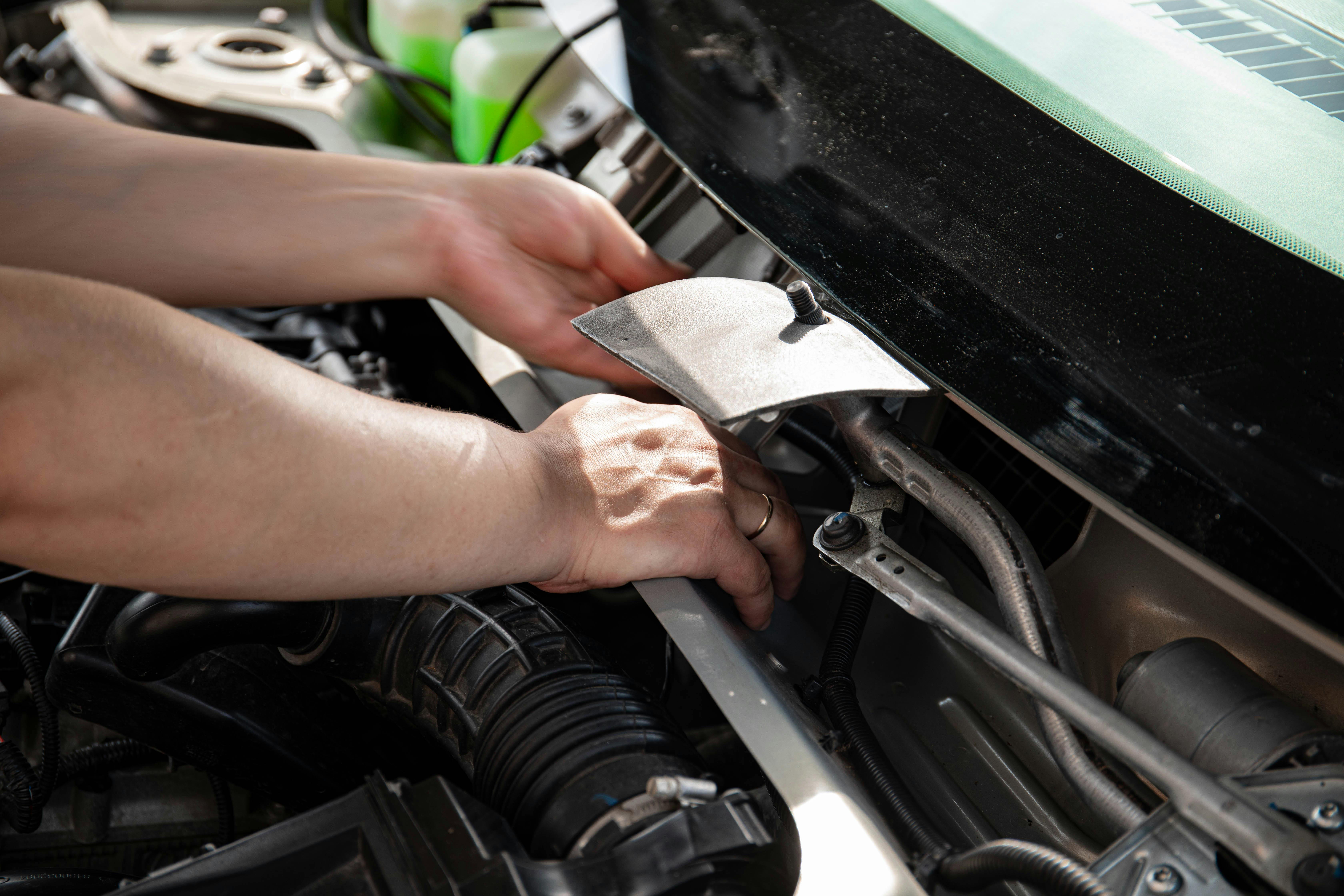
Brake Service and Safety Systems
No system on a vehicle is more directly tied to safety than the brakes. Brake components wear gradually and predictably, which means regular inspection catches problems before they compromise stopping performance. Most drivers notice brake issues through sound — squealing, grinding, or a pulsing pedal — but by the time those symptoms appear, wear is often already advanced.
A thorough auto brake repair inspection covers brake pads, rotors, calipers, brake lines, master cylinder, and the ABS. Each component plays a role in safe, consistent stopping, and a failure in any one of them affects the whole system. At Vehicle Masters, brake inspections are thorough and transparent — customers are shown exactly what’s worn and presented with their options before any work is authorized.
Key brake system components and what they do:
- Brake pads — the friction material that clamps against the rotor to create stopping force. Worn pads reduce stopping effectiveness and, if left unaddressed, eventually damage rotors.
- Rotors — the discs that pads clamp against. Warped or worn rotors cause vibration, reduced braking, and uneven pad wear. In the Chicago area, rust and corrosion accelerate rotor wear significantly.
- Calipers — the hydraulic clamps that press pads against rotors. Seized or leaking calipers cause uneven braking, dragging, and overheating.
- Brake lines and master cylinder — the hydraulic backbone of the braking system. Leaks, air in the lines, or a failing master cylinder result in a soft or sinking pedal that cannot generate adequate stopping force.
- ABS — prevents wheel lockup during hard braking. ABS sensor faults can disable the system and trigger dashboard warnings, requiring electrical diagnosis.
Suspension, Steering, and Ride Control
Suspension and steering components determine how your vehicle handles, how evenly your tires wear, and how stable the ride feels over varying road surfaces. These systems take constant stress from acceleration, braking, cornering, and road imperfections — and they wear gradually enough that many drivers don’t notice the change until a professional inspection reveals how far things have deteriorated.
The team at Vehicle Masters assesses shocks, struts, springs, control arms, ball joints, tie rods, and wheel alignment as part of a full suspension evaluation. Pulling to one side, uneven tire wear, bouncing after bumps, and clunking or rattling noises are all signs that suspension components need attention. Ignoring these symptoms accelerates tire wear and eventually affects braking stability.
Suspension and steering services that matter:
- Shock and strut service — worn shocks and struts reduce ride control and increase stopping distances. Strut replacement restores stability and reduces the impact that road surfaces have on other components.
- Power steering service — stiff steering, whining sounds, or fluid leaks indicate that the power steering pump, rack, or lines need attention. A power steering repairinspection identifies whether the issue is fluid-related or mechanical.
- Wheel alignment — misalignment causes uneven and accelerated tire wear, pulling, and handling instability. A wheel alignment servicecorrects the angles of the wheels relative to each other and the road surface, restoring predictable handling and extending tire life.
- Control arms, ball joints, and tie rods — these components link the suspension to the steering system. Worn ball joints or tie rods can cause looseness in the steering and become a safety concern if left unaddressed.
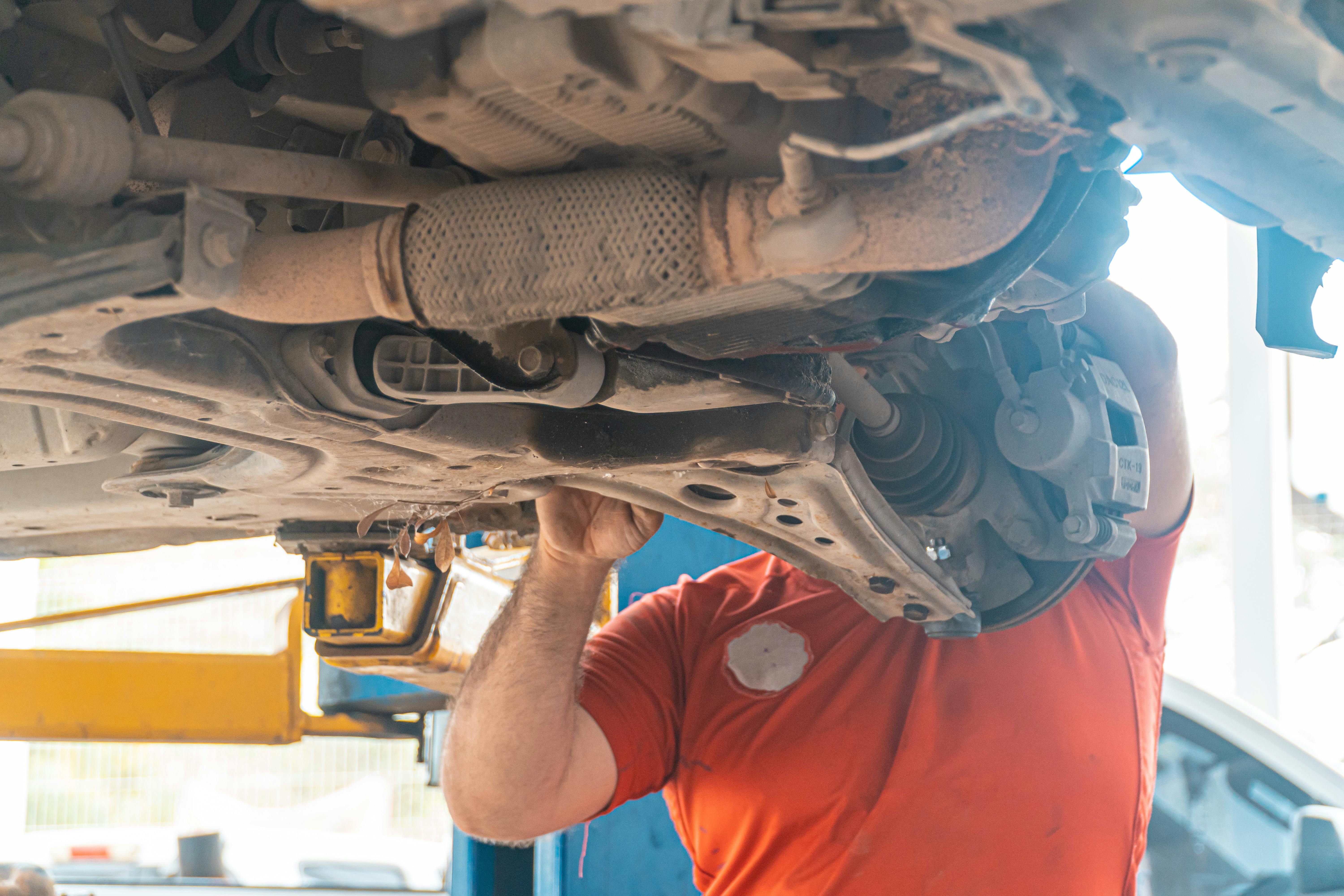
Exhaust, Emissions, and Underbody Services
The exhaust system does more than reduce engine noise. It safely routes combustion gases away from the cabin, manages backpressure to support engine performance, and filters harmful emissions through the catalytic converter before the exhaust exits the vehicle. When any part of this system fails — a rusted muffler, a cracked pipe, or a failing converter — the effects show up in performance, fuel efficiency, noise levels, and emissions compliance.
What exhaust and emissions service covers:
- Muffler service — mufflers deteriorate from the inside out due to moisture accumulation. Rust, holes, and loose connections create noise and can affect backpressure. Auto muffler repair or replacement restores proper function.
- Catalytic converter — the converter reduces harmful exhaust emissions and is monitored by the vehicle’s computer through oxygen sensors. A failing converter triggers check engine codes, reduces efficiency, and causes emissions test failures.
- Exhaust pipes and manifolds — cracks, leaks, and loose connections anywhere in the exhaust path can allow gases to enter the cabin. Leaks near the manifold also cause ticking sounds under acceleration, often mistaken for engine noise.
- Emissions repair — vehicles that fail emissions testing often need sensor replacement, converter service, or evaporative system repair to bring them back into compliance.
Electrical, AC, and Comfort Systems
Modern vehicles rely on complex electrical systems to manage everything from engine timing to climate control, power windows, and safety features. Electrical faults are among the most challenging to diagnose because symptoms — intermittent failures, dashboard warnings, components that work sometimes but not others — don’t always point directly to a cause. Experienced technicians use wiring diagrams, multimeters, and scan tools to trace faults to specific circuits or components.
Electrical and comfort system services:
- Charging system — battery testing, alternator repair, and wiring inspection address the most common causes of no-start conditions and electrical failures. A healthy charging system keeps the battery fully charged and all electrical components operating correctly.
- Air conditioning — a properly functioning AC system depends on the compressor, condenser, evaporator, expansion valve, and refrigerant charge working together. Car air conditioner repair services diagnose and repair each component rather than simply recharging refrigerant and hoping the problem resolves.
- Sensors and modules — oxygen sensors, crankshaft sensors, camshaft sensors, and control modules affect engine performance, fuel economy, and emissions. Replacing faulty sensors often resolves persistent check engine lights and drivability issues.
- Windows, locks, and accessories — power window regulators, door lock actuators, and mirror motors are common failure points that affect daily convenience. These repairs require access to wiring diagrams and proper diagnostic steps to identify whether the issue is mechanical or electrical.
FAQ: Professional Auto Repair Services
Q: How do I know if a shop is actually qualified to work on my vehicle?
A: Look for shops with demonstrated experience across multiple vehicle systems, transparent communication about what they found and why, and a track record supported by real customer reviews. Certifications matter, but so does the willingness to explain their work and stand behind it.
Q: Is it better to go to a dealership or an independent shop?
A: Independent shops with experienced technicians handle the vast majority of repairs — including complex diagnostics — at competitive pricing without dealership overhead. For drivers outside of warranty coverage, a trusted independent shop typically offers better value and more personalized service.
Q: How often should I bring my vehicle in, even if nothing seems wrong?
A: Twice a year, as a minimum — once in spring and once in fall — gives technicians the chance to identify wear and developing issues before they reach the failure point. Many components give no obvious symptoms until they fail, which is exactly why proactive inspection matters.
Q: What’s the most important thing to communicate when I bring my vehicle in?
A: Describe what you notice as specifically as possible — when it happens, under what conditions, and what it feels or sounds like. The more detail you provide, the faster a technician can narrow down the diagnosis. If a sound only happens when the engine is cold, say so. If the vibration only appears above 60 mph, mention that.
Ready to Schedule Your Service?
Whether your vehicle needs a routine inspection, a specific repair, or a full diagnostic workup, we’re here to help. At Vehicle Masters, every visit starts with an honest assessment of what your vehicle actually needs — no pressure, no guesswork, and no work performed without your approval. Contact us today to schedule your appointment and experience professional auto repair services done right.