
Most air conditioning problems do not happen overnight. A vehicle that once delivered icy cold air may slowly take longer to cool the cabin, struggle during hot afternoons, or only blow cool air instead of cold air. Because these changes happen gradually, many drivers simply get used to them until the system can no longer keep up.
If your car AC not blowing cold has become a growing frustration, the underlying cause is often normal wear rather than a sudden failure. Modern automotive air conditioning systems rely on several components working together. As those components age, even small issues can reduce cooling performance.
Understanding why cooling capacity declines can help you recognize problems early, avoid more expensive repairs, and restore comfortable driving before a complete system failure occurs.
Air Conditioning Systems Naturally Wear Over Time
Your vehicle’s air conditioning system operates under high pressure while constantly cycling refrigerant through hoses, seals, compressors, condensers, and evaporators. Every time you drive, these components experience vibration, heat, moisture, and changing pressures.
Many air conditioning components slowly lose efficiency without obvious warning signs. A system may still function well enough to produce cool air, but its ability to remove heat from the cabin steadily declines. Drivers often notice this first during extremely hot weather when the system can no longer maintain the comfortable temperatures it once achieved.
Rather than waiting until cooling disappears completely, it is worth having declining performance evaluated during routine auto repair visits. Identifying problems efficiently and effectively before they worsen reflects the same practical approach Vehicle Masters brings to every repair.
Small Refrigerant Losses Add Up
One of the most common reasons cooling performance drops is a gradual refrigerant leak. Air conditioning systems are designed as sealed systems, but tiny amounts of refrigerant can escape over many years through aging seals, hose connections, or microscopic leaks. Because the loss happens so slowly, many drivers never notice until cooling becomes noticeably weaker.
Low refrigerant affects the system’s ability to absorb and release heat efficiently. The result is longer cooling times, warmer cabin temperatures, and increased strain on the compressor. Simply adding refrigerant without finding the source of the leak usually provides only temporary relief. Proper diagnosis helps determine whether damaged seals, hoses, or other components require replacement before refrigerant is replenished.
The Compressor Works Harder as Components Age
The compressor serves as the heart of the air conditioning system by circulating refrigerant throughout the entire system. As internal components wear, bearings age, or lubrication decreases, compressor efficiency gradually falls. The unit may continue operating but struggle to maintain proper pressure throughout the system.
Drivers may notice symptoms such as:
- Air that cools slowly
- Cooling that changes while idling
- Reduced performance during high temperatures
- Clicking or unusual compressor noises
- Air that never becomes fully cold
Because compressors interact with other engine-driven accessories, technicians also inspect related components such as the serpentine belt system when diagnosing air conditioning concerns. A worn or slipping belt can reduce compressor performance even when the compressor itself remains functional.

Dirty Condensers Reduce Cooling Efficiency
The condenser sits near the front of the vehicle where outside air removes heat from the refrigerant. Over time, road debris, insects, dirt, leaves, and other contaminants block airflow through the condenser fins. Even partial blockage limits the system’s ability to release heat efficiently.
When airflow decreases, refrigerant temperatures stay higher than intended, making it much harder for the system to cool the passenger compartment. Regular inspections during car maintenance appointments allow technicians to identify restricted airflow before it contributes to larger performance issues. Keeping the condenser clean also reduces unnecessary stress on other air conditioning components.
Cooling System Problems Can Affect Air Conditioning Performance
Many drivers do not realize the engine cooling system and air conditioning system work closely together. An overheating engine places additional demands on the entire vehicle. If coolant temperatures climb too high, some vehicles reduce air conditioning performance to help protect the engine. For that reason, technicians often evaluate both systems together instead of treating the air conditioner as an isolated problem. Addressing the root cause instead of guessing at replacement parts saves time and prevents unnecessary repairs.
Cabin Airflow Is Just as Important as Cold Refrigerant
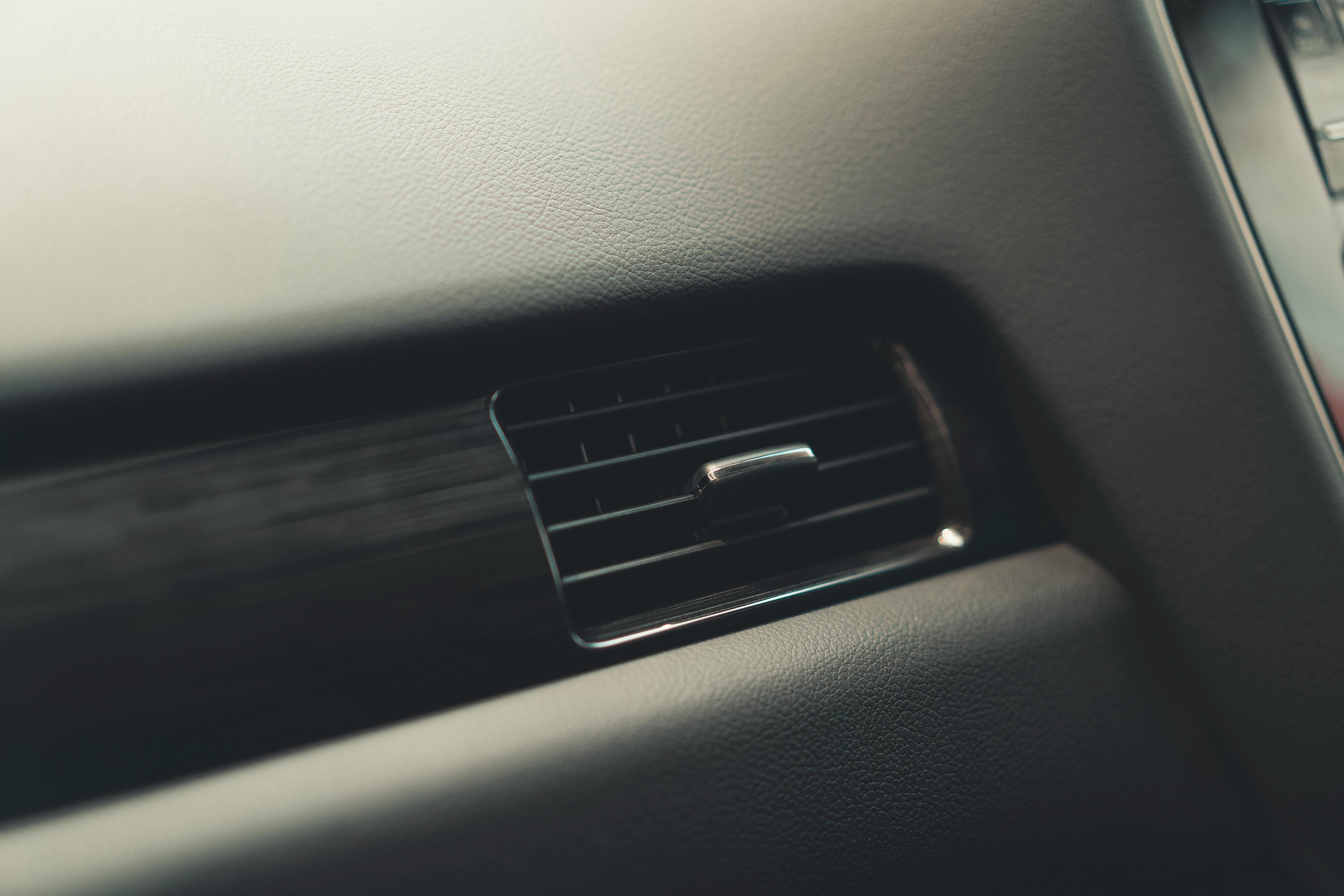
Cold refrigerant alone cannot cool the interior if airflow through the cabin is restricted. A clogged cabin air filter, weak blower motor, blocked vents, or malfunctioning blend doors may all make it seem like the air conditioner has stopped working when the actual cooling system remains functional.
Drivers often describe symptoms such as weak airflow, uneven temperatures between vents, or cool air that never reaches the rear seating area effectively. Professional diagnosis helps separate airflow problems from refrigeration problems so the correct repair can be made instead of replacing perfectly good components.
Electrical Problems Can Reduce Air Conditioning Performance
Modern air conditioning systems rely on electronic controls, sensors, relays, and modules to operate correctly. A faulty electrical component may prevent the compressor from engaging consistently or cause the system to cycle incorrectly.
Issues involving car sensors can sometimes appear as cooling problems because temperature sensors help regulate compressor operation. Likewise, low system voltage caused by an aging alternator may affect multiple vehicle systems, including the air conditioner. During a comprehensive inspection, technicians consider whether the alternator or other electrical components are contributing to reduced cooling performance instead of focusing only on refrigerant levels.
Delaying Repairs Often Makes Problems Worse
A slight reduction in cooling may seem like a minor inconvenience, but continuing to operate an underperforming system can increase wear on expensive components. For example, a compressor working harder because of low refrigerant or restricted airflow may eventually fail completely. A small refrigerant leak can also allow moisture into the system, creating corrosion that spreads through multiple components. Addressing problems early is often far more affordable than waiting until several parts require replacement.
Professional Diagnosis Finds the Real Cause
Air conditioning systems contain many interconnected components, making accurate diagnosis far more valuable than replacing parts based on guesswork. An experienced technician evaluates refrigerant pressures, compressor operation, condenser performance, electrical signals, airflow, engine operating temperatures, and visible system condition before recommending repairs.
That process aligns with Vehicle Masters’ commitment to efficiently and effectively identifying vehicle problems, clearly communicating what has been found, and completing repairs without unnecessary replacement of working parts. Whether the issue ultimately involves auto air conditioning repair, a worn belt, a cooling system concern, or another mechanical problem, identifying the root cause first helps restore dependable performance.

Keep Your Vehicle Comfortable Throughout the Summer
Air conditioning systems naturally lose efficiency as vehicles age, but gradual cooling loss should never be considered normal. Reduced refrigerant, compressor wear, restricted airflow, electrical faults, or engine cooling problems can all contribute to a car AC not blowing cold.
The sooner declining performance is inspected, the greater the opportunity to correct smaller issues before they develop into expensive repairs. Regular car maintenance also gives technicians the chance to identify developing concerns while servicing other systems, as routine inspections keep your vehicle performing at its best.
If your vehicle’s air conditioner no longer keeps the cabin comfortable, don’t wait for complete failure. The experienced team at Vehicle Masters proudly serves Oak Forest and the surrounding South Suburbs by efficiently identifying vehicle problems, explaining repairs clearly, and fixing them correctly the first time.
To learn more about the team, visit the About Us page. If your vehicle needs air conditioning repair, explore our services. For prompt attention to your needs, call 708-687-9955 or contact Vehicle Masters to schedule an inspection. Quality service, competitive pricing, customer satisfaction—we are highly recommended.