
Most vehicle owners remember to schedule an oil change, replace worn brake pads, or keep up with routine auto maintenance. However, one critical component is often overlooked because it works quietly behind the scenes until something goes wrong: the timing belt.
Unlike many maintenance items that gradually lose performance, a failed timing belt can stop your engine instantly. In many vehicles, it can also cause extensive internal engine damage that requires costly engine repair or even complete engine replacement. That is why manufacturers specify replacement intervals, and why following those recommendations is one of the smartest investments you can make in your vehicle.
Whether you drive throughout Oak Forest, the South Suburbs, or the surrounding communities, understanding the importance of timing belt maintenance can help you avoid unexpected breakdowns and expensive repairs.
What Does a Timing Belt Do?
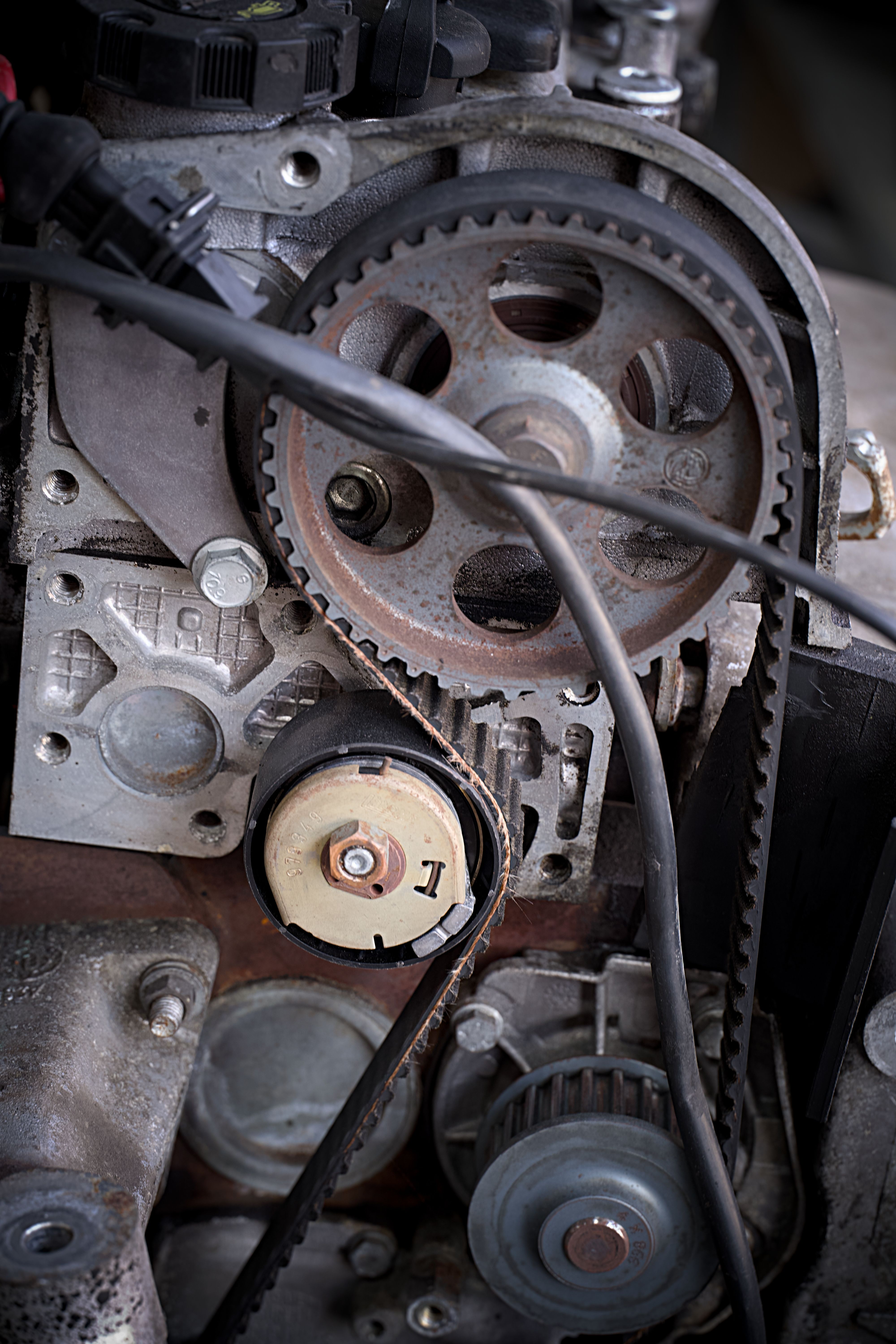
The timing belt is a reinforced rubber belt that synchronizes the rotation of the crankshaft and camshaft. This precise timing allows the engine’s valves to open and close at exactly the right moment while the pistons move inside the cylinders. Every combustion cycle depends on this synchronization. Even a slight change in timing can affect engine performance, fuel economy, and emissions.
Because the timing belt operates continuously whenever the engine is running, it experiences constant stress from heat, friction, and repeated movement. Over time, the rubber material naturally ages and wears, even if the vehicle is driven carefully.
Unlike components that show obvious signs of wear, a timing belt may appear to function normally until it reaches the point of failure. That makes preventive replacement far more valuable than waiting for symptoms to develop.
Why Replacement Intervals Matter
Vehicle manufacturers establish timing belt replacement schedules based on extensive testing. Depending on the vehicle, replacement may be recommended anywhere between 60,000 and 100,000 miles, although every manufacturer has its own specifications. Many drivers postpone this service because the vehicle still seems to run perfectly. Unfortunately, timing belts rarely provide much warning before breaking.
Replacing the belt on schedule is significantly less expensive than repairing the damage caused by a broken belt. Delaying service may save money today but could result in thousands of dollars in future engine repair costs. Routine inspections performed during auto repair appointments also allow technicians to identify related issues before they become serious, helping owners plan maintenance rather than dealing with emergency breakdowns.
What Happens If a Timing Belt Breaks?
The consequences depend on the engine design. Many modern vehicles use interference engines. In these engines, the valves and pistons occupy the same space inside the cylinder, just at different times. If the timing belt breaks, the camshaft immediately stops turning while the crankshaft continues moving. This causes the pistons to strike open valves, often bending valves, damaging pistons, and sometimes cracking the cylinder head.
The result may include:
- Extensive internal engine damage
- Bent intake or exhaust valves
- Damaged pistons
- Broken rocker arms
- Cylinder head damage
- Complete engine failure
Common Signs a Timing Belt May Be Wearing Out
Timing belts are designed to last a long time, but they do not last forever. While many fail without noticeable symptoms, some vehicles may display warning signs beforehand. Potential indicators include:
- Engine misfires
- Difficulty starting
- Rough idling
- Ticking noises from the front of the engine
- Reduced engine performance
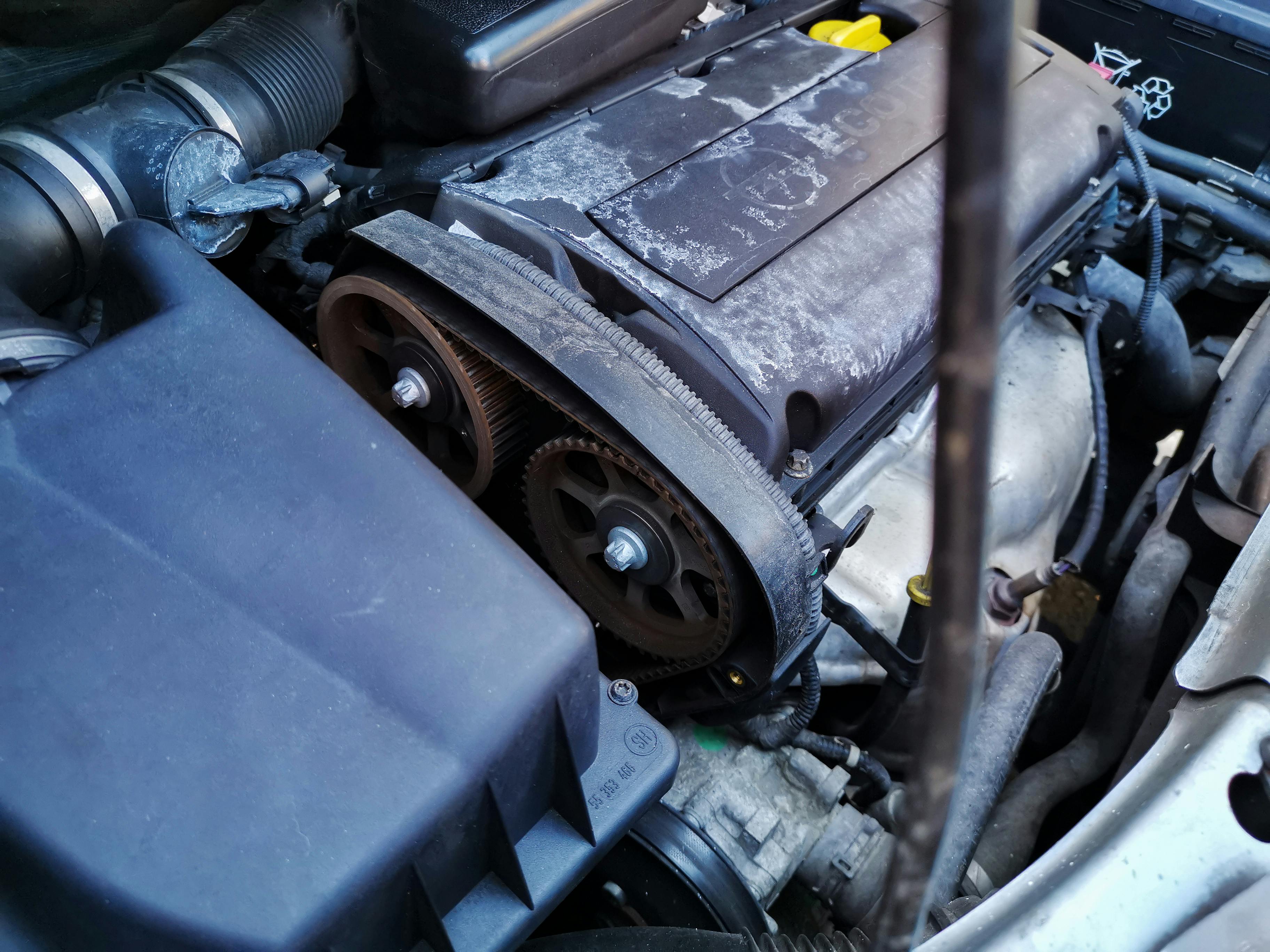
- Visible cracking or fraying during inspection
- Oil leaking onto the timing belt area
These symptoms can also indicate other mechanical problems, which is why professional diagnosis is important. Rather than guessing, experienced technicians focus on efficiently and effectively identifying vehicle problems before recommending repairs.
Why the Water Pump Is Often Replaced at the Same Time
One reason timing belt service is considered preventative maintenance is because several related components become accessible during the repair.
On many vehicles, the water pump repair process involves removing the timing belt. Since most of the labor overlaps, replacing both components during the same service often makes financial sense. Installing a new water pump while replacing the timing belt can reduce future labor costs and help prevent cooling system failures that might otherwise require taking the engine apart again.
Depending on the vehicle, technicians may also inspect or replace:
- Belt tensioners
- Idler pulleys
- Front engine seals
- Accessory drive belts
- Coolant
Timing Belt Problems Can Affect More Than Engine Performance
A worn timing belt does more than threaten the engine itself. Improper valve timing can reduce combustion efficiency, leading to rough operation, decreased fuel economy, and increased exhaust emissions.
Drivers sometimes mistake these symptoms for unrelated problems that require a car tune-up. While those components certainly can cause similar symptoms, proper diagnosis is essential before replacing parts. This is one reason Vehicle Masters emphasizes accurately identifying vehicle problems before repairs begin. Careful inspection helps ensure the actual cause is corrected instead of replacing components unnecessarily.
Timing Belt Maintenance Is Part of Smart Preventative Care
Many drivers think about maintenance only when something breaks. In reality, preventative service helps reduce the likelihood of unexpected repairs and keeps vehicles operating more efficiently over the long term. A timing belt should be viewed alongside other scheduled maintenance items. Each service plays a different role, but together they help extend the life of the vehicle and reduce the risk of major mechanical failures.
Following the manufacturer’s maintenance schedule also gives technicians an opportunity to inspect related components that naturally wear over time. During routine visits, they may identify concerns involving the serpentine belt, hoses, suspension components, or other systems before they develop into larger problems. Preventative maintenance is almost always less disruptive than emergency repairs, allowing vehicle owners to schedule service when it is convenient instead of dealing with an unexpected breakdown.
Why Professional Inspection Matters
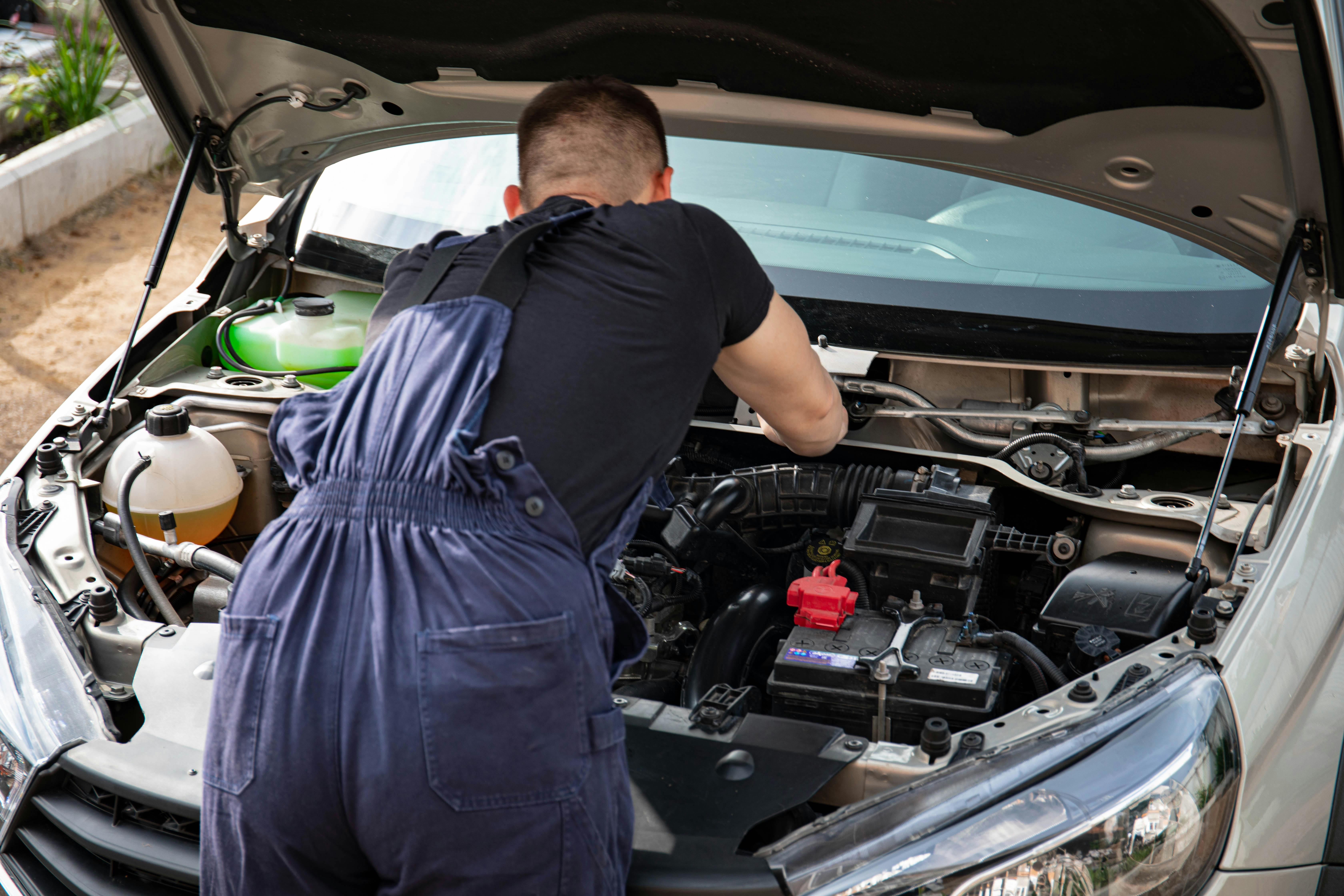
Timing belts are hidden behind protective covers, making them difficult for most vehicle owners to inspect safely or accurately. Professional technicians have access to manufacturer service information and understand the recommended replacement intervals for different makes and models. They also know what related components should be inspected during the service.
At Vehicle Masters, the goal is not simply replacing parts. The focus is on efficiently and effectively identifying vehicle problems, explaining findings clearly, and completing repairs that address the root cause rather than temporary symptoms. Careful diagnosis helps avoid unnecessary repairs while giving customers confidence in the work being recommended.
Drivers throughout Oak Forest, the South Suburbs, and surrounding communities benefit from knowing exactly what their vehicle needs and why.
Don’t Wait for a Timing Belt to Fail
Unlike worn brakes or noisy suspension components, a timing belt often gives little warning before failure. Waiting until something goes wrong can turn a planned maintenance appointment into a major repair that leaves the vehicle out of service for days.
Replacing the timing belt according to the manufacturer’s schedule helps protect one of your vehicle’s most valuable components: the engine itself. It also provides peace of mind knowing that a critical maintenance item has been addressed before it becomes a costly problem. If you are unsure whether your vehicle is due for timing belt service, checking the maintenance schedule now is far easier than dealing with the consequences of a broken belt later.
Protect Your Engine with Expert Maintenance
Keeping up with scheduled timing belt replacement is one of the most important ways to protect your engine from avoidable damage. If your vehicle is approaching its recommended service interval or you are unsure of its maintenance history, the experienced team at Vehicle Masters is ready to help.
Whether you need routine maintenance or more extensive repairs, Vehicle Masters is a trusted auto repair shop serving Oak Forest, the South Suburbs, and surrounding communities. The team focuses on efficiently and effectively identifying vehicle problems, explaining repair recommendations clearly, and helping customers make informed decisions without unnecessary upselling.
To learn more about Vehicle Masters and its commitment to honest service, visit the About Us page. If your vehicle needs related services, you can also explore the shop’s repair services. For prompt attention to your needs, please call 708-687-9955 or visit the Contact Us page to speak with the team and schedule your visit.