
A humming sound that gets louder as you accelerate, a grinding noise near one wheel, or a vibration you cannot explain can leave you wondering what is wrong with your car. These are potential bad wheel bearing symptoms, but they can also point to tire wear, brake problems, or other mechanical issues.
Here is what to look for, what else could cause similar symptoms, and how a mechanic can identify the actual problem before recommending repairs.
Listen for Humming, Growling, or Grinding
Unusual noises are among the most recognizable bad wheel bearing symptoms. As the bearing wears, its internal surfaces may no longer rotate smoothly, creating sounds that change with wheel speed.
- Humming or droning:You may hear a steady hum that becomes louder as the vehicle gains speed.
- Growling or rumbling:A rough, low-pitched sound may become more noticeable during highway driving.
- Grinding:A harsher metallic noise can indicate advanced bearing damage or another serious mechanical problem.
- Noise that changes during turns:A sound that grows louder or quieter as you steer may help a mechanic identify which area needs closer inspection, consistent with recommendations outlined in AAA’s guide to recognizing wheel bearing noise
However, noise alone cannot confirm a bad bearing. Unevenly worn tires can produce a similar hum, while brake components may cause scraping or grinding. A mechanic should inspect the tires, brakes, and wheel assembly before determining the source.
Notice Vibrations in the Steering Wheel or Vehicle
A worn wheel bearing can sometimes create vibration or looseness that you feel through the steering wheel, floor, or seat. These sensations may become more noticeable as road speed increases.
Watch for these signs:
- A steering wheel that vibrates without an obvious road-related reason.
- A rough or shaky feeling that changes with vehicle speed.
- A sensation that one corner of the vehicle is not rolling smoothly.
- Vibration accompanied by humming, growling, or unusual wheel noise.
These are possible bad wheel bearing symptoms, but they are not exclusive to bearings. An unbalanced tire, damaged wheel, worn suspension component, or alignment issue can also cause vibration.
Avoid assuming that a bearing is responsible simply because the steering wheel shakes. A proper inspection can separate wheel and tire problems from faults in the steering, suspension, or hub assembly.

Pay Attention to Changes When Turning
If a humming or growling noise changes as you take a gentle curve, a wheel bearing could be involved. Turning shifts the vehicle’s weight from one side to the other, which changes the load on the wheel assemblies.
- A noise that becomes louder during a turn can provide a useful diagnostic clue.
- A noise that becomes quieter during the same maneuver can also help narrow down the possibilities.
- A change in sound does not reliably identify the exact faulty side on its own.
Tire tread patterns, brake contact, and other rotating components can also create noises that change during turns. A suspension mechanic or qualified automotive technician should consider the sound alongside the vehicle’s handling, wheel condition, and inspection findings.
Do not make sharp turns or perform sudden lane changes to test for a suspected bearing problem. Normal driving observations are enough to report what you have noticed.
Watch for Wheel Play or Unusual Handling
A severely worn bearing may allow excessive movement between the wheel hub and its supporting components. You might notice that the vehicle feels less stable or that the steering does not feel as precise as usual.
Potential warning signs include:
- A loose or wandering feeling while driving.
- Unusual movement or play at a wheel.
- Clunking noises that occur alongside wheel noise.
- Changes in handling that are difficult to explain.

These symptoms can also indicate worn ball joints, tie rods, or other suspension and steering components. A technician needs to determine where the movement originates rather than automatically recommending suspension replacement.
Important: If the wheel feels loose, the vehicle becomes difficult to control, or you hear severe grinding accompanied by significant vibration, stop somewhere safe and arrange professional assistance. Do not continue driving a vehicle that may have a failing wheel assembly.
Look for Other Warning Signs, but Do Not Rely on Them Alone
Some wheel bearing problems produce additional clues, although these are not always visible or noticeable to the driver.
- ABS warning light:Certain wheel hub assemblies incorporate a wheel-speed sensor or work closely with one. A bearing-related issue may affect the signal, but a faulty sensor, damaged wiring, or another ABS fault can produce the same warning according to NHTSA vehicle safety guidelines.
- Uneven tire wear:This can accompany handling or alignment problems, but it is not a dependable standalone sign of bearing failure.
- Heat near a wheel:Abnormal heat may indicate friction from a damaged bearing, dragging brake, or another mechanical problem. Do not touch a potentially hot wheel or brake assembly.
- Clicking or clunking:These noises can come from suspension joints, CV joints, brakes, or loose hardware, as well as certain wheel-end faults.
An ABS light does not automatically mean the wheel bearing needs replacement. The warning should be investigated through appropriate diagnostic testing and physical inspection.
What Causes Wheel Bearings to Wear Out?
Wheel bearings are designed to handle repeated rotation and substantial loads, but they can deteriorate over time.
Common contributing factors include:
- Normal wear:Bearings experience repeated loading throughout the vehicle’s service life.
- Pothole impacts:A hard impact can damage bearing surfaces or other wheel and suspension components.
- Water and contamination:Damaged seals can allow moisture or debris to enter the bearing.
- Lubrication problems:Certain bearing designs depend on proper lubrication and sealing to prevent premature damage.
- Improper installation:Incorrect procedures or excessive loading during installation can damage a replacement bearing.
- Previous damage:A damaged hub, wheel assembly, or related component may contribute to continued problems.
In Oak Forest and the surrounding South Suburbs, potholes and winter road conditions can put additional stress on wheel assemblies. Road salt and moisture may also contribute to corrosion where protective seals or surfaces are compromised.
These factors increase the importance of inspecting unusual noises or handling changes, but they do not prove that a bearing has failed.
When Should You Schedule an Inspection?
The urgency depends on the severity of the symptoms.
- Arrange prompt service:If you hear a new, persistent hum or growl, especially one that changes with speed, have the vehicle checked before the problem progresses.
- Seek urgent professional attention:If you notice worsening vibration, clunking, or changes in handling, avoid unnecessary driving until the cause is assessed.
- Stop driving and arrange a tow:If the wheel wobbles noticeably, the vehicle becomes difficult to control, or severe grinding occurs alongside other signs of mechanical failure, do not continue the trip.
Do not wait for several symptoms to appear together. A bearing problem may initially produce only noise, and early inspection can help prevent further damage.
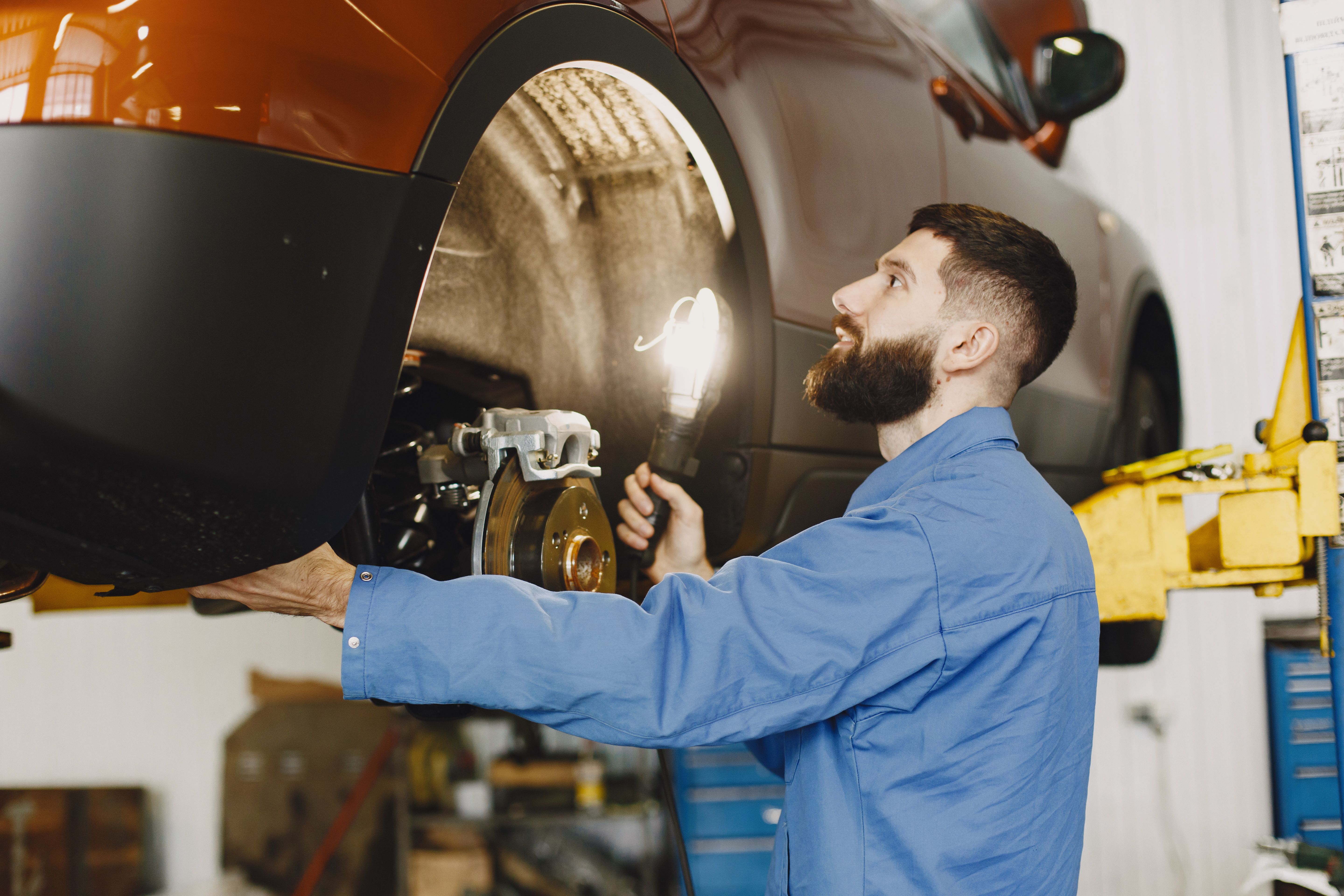
Get Your Wheel Bearing Checked at Vehicle Masters
A humming wheel, growing rumble, or vibration can have several causes. The important step is to identify the source before replacing parts. Ignoring bad wheel bearing symptoms can allow a manageable problem to develop into a more serious safety concern.
At Vehicle Masters, we help drivers in Oak Forest and the surrounding South Suburbs identify automotive problems through careful inspection and practical diagnosis. Our services include suspension repair, brake service and repair, and general auto repair and diagnostics. If your symptoms point toward a related suspension or steering issue, we can assess the relevant components and explain the findings before recommending work.
Call (708) 687-9955. We will help you understand what may be causing the noise or vibration and what your vehicle needs to get back to safe, reliable operation.