
Does your car hesitate when you accelerate, shake at a stoplight, or struggle to start? Worn spark plugs could be responsible, but ignition coils, fuel delivery problems, and faulty sensors can cause similar symptoms. Knowing when to replace spark plugs helps you address engine performance problems before they lead to more serious issues.
Spark plugs ignite the air-fuel mixture inside a gasoline engine’s cylinders. Over time, their electrodes wear down, deposits accumulate, and the gap between the electrodes can become too wide for reliable ignition. Vehicle Masters helps drivers in Oak Forest identify engine performance problems through proper inspection and diagnosis rather than guessing which part needs replacing.
6 Signs Your Spark Plugs May Need Replacing
Several symptoms can indicate worn or fouled spark plugs. However, none confirms a spark plug problem on its own.
- Rough idling: The engine shakes or vibrates while the car is stopped because one or more cylinders may not be firing consistently.
- Hesitation during acceleration: You press the gas pedal, but the engine stumbles or responds slowly. Worn plugs can struggle to ignite the air-fuel mixture under increased engine load.
- Hard starting: The engine cranks longer than usual before starting. Weak ignition is one possibility, but a weak battery or fuel delivery problem can cause similar trouble.
- Reduced fuel economy: Misfires can interfere with efficient combustion and increase fuel consumption. Tire pressure, driving habits, and other engine issues can also affect mileage.
- Engine misfires: Intermittent shaking, stumbling, or a flashing check engine light can indicate that combustion is not occurring properly in one or more cylinders.
- Loss of power: The car may feel sluggish when accelerating or climbing a hill. Worn plugs can contribute, but restricted airflow, fuel system problems, and sensor faults should also be considered.
Pay attention to when the symptoms occur. For example, trouble during cold starts may provide different diagnostic clues than hesitation under heavy acceleration.

When to Replace Spark Plugs: Check Your Maintenance Schedule
There is no single replacement interval for every vehicle. Spark plug life depends on the engine design, plug material, and manufacturer’s recommendations.
- Check your owner’s manual: Find the recommended replacement interval for your specific engine. Some manufacturers specify inspection intervals, while others recommend replacement at designated mileage points.
- Consider the plug material: Copper plugs generally wear faster than platinum or iridium plugs. Long-life plugs still require replacement according to the vehicle’s service schedule.
- Review your driving habits: Frequent short trips, repeated cold starts, and extended idling can contribute to deposits under certain conditions.
- Check service records: If you bought a used vehicle without complete maintenance records, have the service history and plug condition evaluated.
Knowing when to replace spark plugs means considering both the recommended maintenance schedule and any symptoms your car develops. Do not assume that plugs are defective simply because the engine runs roughly, and do not ignore overdue maintenance just because the car still starts.
What Causes Spark Plugs to Wear Out?
Spark plugs can deteriorate through normal use, but deposits and other engine problems can also affect their performance.
- Electrode wear: Repeated firing gradually wears down the electrodes. The resulting gap increase can make reliable ignition more difficult.
- Carbon buildup: Incomplete combustionor repeated short trips may contribute to deposits that interfere with ignition.
- Oil contamination: Oil entering the combustion chamber can foul a plug. Replacing it without investigating the source may only provide temporary relief.
- Incorrect spark plugs: The wrong plug type, heat range, or gap can cause performance problems or premature wear.
- Ignition coil failure: A weak coil may prevent a plug from firing consistently, even when the plug itself remains serviceable.
This spark plug basics guide explains common plug conditions and their effects on engine operation.

What Happens If You Ignore Worn Spark Plugs?
Putting off necessary replacement can affect drivability and potentially lead to additional damage.
- Recurring misfires: Inconsistent ignition can cause rough running and hesitation.
- Reduced performance: The engine may struggle to deliver smooth, consistent power.
- Higher fuel consumption: Poor combustion can waste fuel, although other faults may contribute.
- Catalytic converter damage: Severe or repeated misfires can send unburned fuel into the exhaust, potentially overheating the catalytic converter.
A flashing check engine light can indicate an active misfire that threatens the catalytic converter. Reduce engine load and pull over safely. If the light continues flashing or the engine runs severely rough, shut it off when safe and arrange professional assistance.
How a Mechanic Checks Spark Plugs
At Vehicle Masters, diagnosis should establish the likely cause before replacement is recommended. Depending on the symptoms, an inspection may include:
- Reviewing maintenance records: Service history helps determine whether the plugs are overdue.
- Scanning diagnostic trouble codes: Codes can identify misfires or other detected faults, but they do not automatically identify the failed part.
- Inspecting the plugs: A mechanic may check electrode wear, deposits, cracks, and gaps when appropriate.
- Testing ignition components: Coils, wiring, and electrical connections may need further testing.
- Checking alternative causes: Fuel delivery, air intake leaks, sensor readings, and other engine management issues may require investigation.
For example, a cylinder-specific misfire code does not prove that the cylinder’s spark plug has failed. An ignition coil, wiring fault, or fuel delivery issue could be responsible.
A suitable auto tune up service should address the vehicle’s actual maintenance requirements and inspection findings, not simply replace parts based on symptoms.
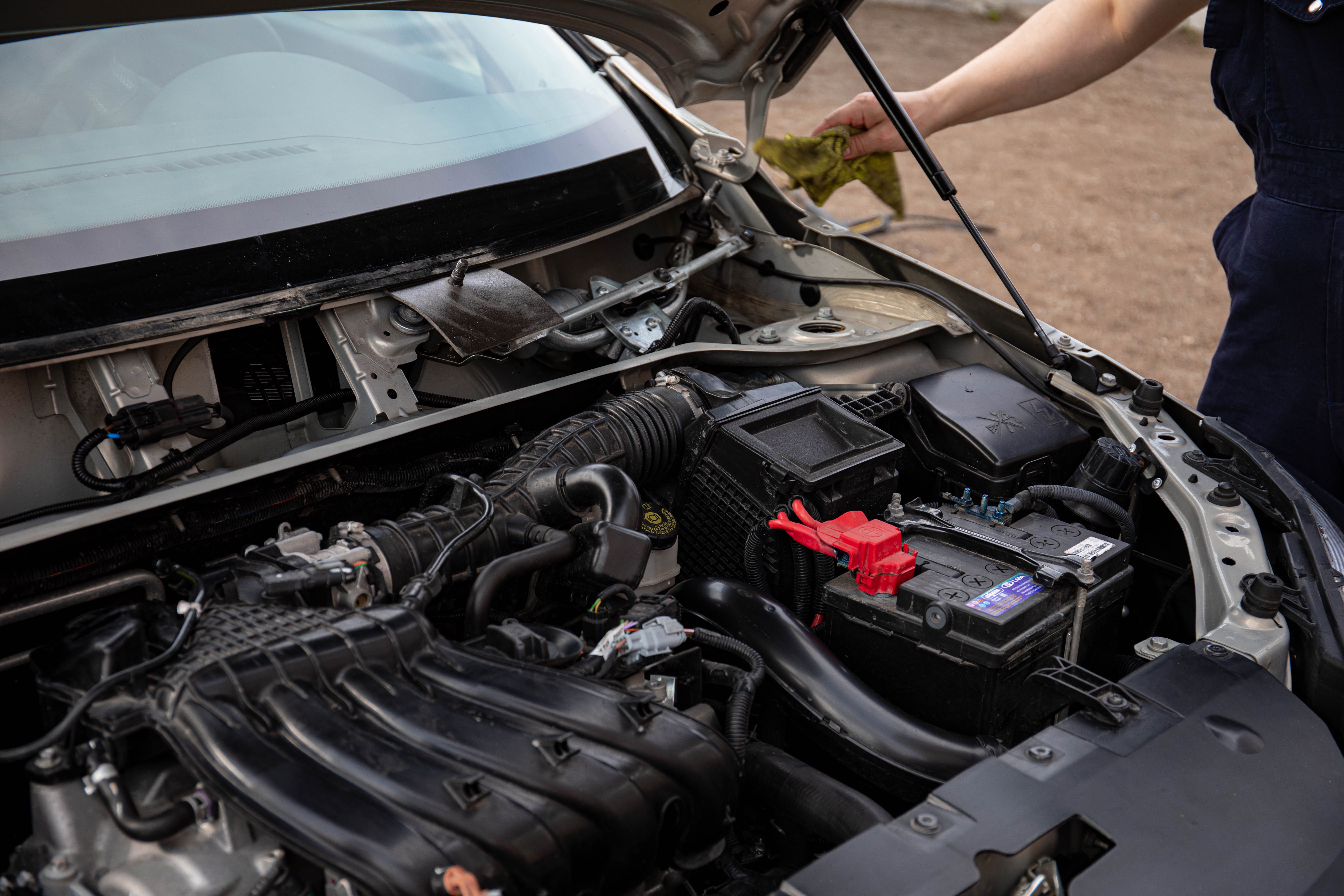
What Can You Check at Home?
You can gather useful information without removing spark plugs or working on a hot engine.
- Check your owner’s manual for the recommended replacement interval.
- Review service records to see when the plugs were last changed.
- Note whether the engine struggles during cold starts, idles roughly, or hesitates under acceleration.
- Observe whether the check engine light is steady or flashing.
- Record any changes in fuel economy or engine performance.
Avoid removing plugs while the engine is hot. Incorrect installation can also damage engine threads or ignition components.
Keep Your Vehicle Running Smoothly With Vehicle Masters
Knowing when to replace spark plugs means recognizing warning signs, following the manufacturer’s maintenance schedule, and confirming the cause of performance problems. Rough idling, hard starts, and hesitation may indicate worn plugs, but proper diagnosis helps prevent unnecessary repairs.
At Vehicle Masters, we help drivers in Oak Forest and the surrounding South Suburbs investigate engine performance concerns and identify appropriate maintenance needs. Our approach focuses on finding the underlying problem before recommending repairs.
If your car is running roughly or you are unsure whether its spark plugs are overdue, call Vehicle Masters at (708) 687-9955 to arrange an inspection. We can help you understand what your vehicle needs and make informed decisions about its ongoing auto maintenance.