
When your vehicle’s heater suddenly starts blowing cold air, it is more than just an inconvenience. A car heater not working can be one of the first signs of a developing problem within the engine’s cooling system or heating and ventilation components. While the lack of warm air is uncomfortable during colder months, ignoring the issue could allow a minor repair to become a much larger one.
Many people assume the heater itself has failed, but that is rarely the case. Your vehicle’s heating system depends on several components working together, including coolant, the thermostat, heater core, blower motor, and controls inside the cabin. If one part stops doing its job, warm air may never reach the interior. For anyone looking for dependable auto repair in Oak Forest and throughout the surrounding South Suburbs, understanding why a heater stops working can help you recognize problems early and avoid more expensive repairs later.
Your Vehicle’s Heater Depends on the Cooling System
Many drivers are surprised to learn that the cabin heater and engine cooling system are directly connected. As the engine reaches operating temperature, hot coolant circulates through a small component called the heater core. Air passes across this heated core before entering the passenger compartment.
If the cooling system cannot produce or circulate enough heat, the heater simply has nothing warm to deliver. A professional inspection looks beyond the vents to determine whether coolant is flowing properly, the engine is reaching normal operating temperature, and every component is functioning as intended. Efficiently and effectively identifying vehicle problems before replacing parts is the best way to avoid unnecessary repairs.
A Faulty Thermostat Can Keep the Engine Too Cold
One of the most common reasons a heater blows cold air is a thermostat that has become stuck open. The thermostat regulates coolant flow through the engine. When it fails to close properly, coolant circulates too soon, preventing the engine from reaching normal operating temperature. Since the engine never gets fully warm, the heater cannot produce consistent heat.
Drivers may notice several symptoms, including:
- Weak or cool air from the vents
- Engine temperature staying unusually low
- Longer warm-up times
- Reduced fuel efficiency
Low Coolant Can Leave You Without Heat
The heater core relies on a steady flow of coolant. If coolant levels become too low because of a leak or poor maintenance, warm coolant may never reach the heater core. Besides losing heat inside the cabin, low coolant can create much larger concerns for the engine itself.
Possible warning signs include:
- Heater works only while driving
- Heat comes and goes
- Sweet smell inside the vehicle
- Visible coolant leaks
- Rising engine temperature
Ignoring low coolant can eventually lead to overheating, making a relatively simple repair far more expensive. In some situations, the underlying cause may involve a leaking hose, or failing component before proper coolant circulation can be restored.

Water Pump Problems Affect Heat and Engine Protection
The water pump keeps coolant moving throughout the engine and heater core. Without proper circulation, the heating system cannot transfer enough warmth into the passenger compartment. A failing pump may also allow the engine to overheat, making this one of the more serious causes of heater failure.
Common symptoms include:
- Little or no cabin heat
- Coolant leaking beneath the vehicle
- High engine temperature
- Whining noises from the engine
- Steam from under the hood
Heater Core Restrictions Reduce Warm Air
The heater core functions much like a miniature radiator. Over time, rust, corrosion, or contaminated coolant can restrict coolant flow through its narrow passages. Even when the engine reaches normal temperature, blocked coolant flow limits the amount of heat available inside the cabin.
Drivers sometimes notice:
- Warm air on one side but cold air on the other
- Fogged windows
- Sweet coolant odor inside the vehicle
- Wet carpet beneath the dashboard
- Reduced heating performance
Routine auto maintenance helps reduce corrosion by ensuring coolant is replaced according to manufacturer recommendations, allowing the cooling system to continue protecting both the engine and heater components.
HVAC Controls Can Also Cause Heating Problems
Not every heating problem originates under the hood. Modern vehicles use electronic controls, blend doors, actuators, and sensors to direct airflow and regulate cabin temperature. If one of these components fails, the heater may continue producing hot coolant while the air entering the cabin remains cold.
A technician may inspect:
- Blend door actuators
- HVAC control modules
- Temperature sensors
- Electrical connections
- Cabin airflow components
Why Prompt Diagnosis Matters Before Winter
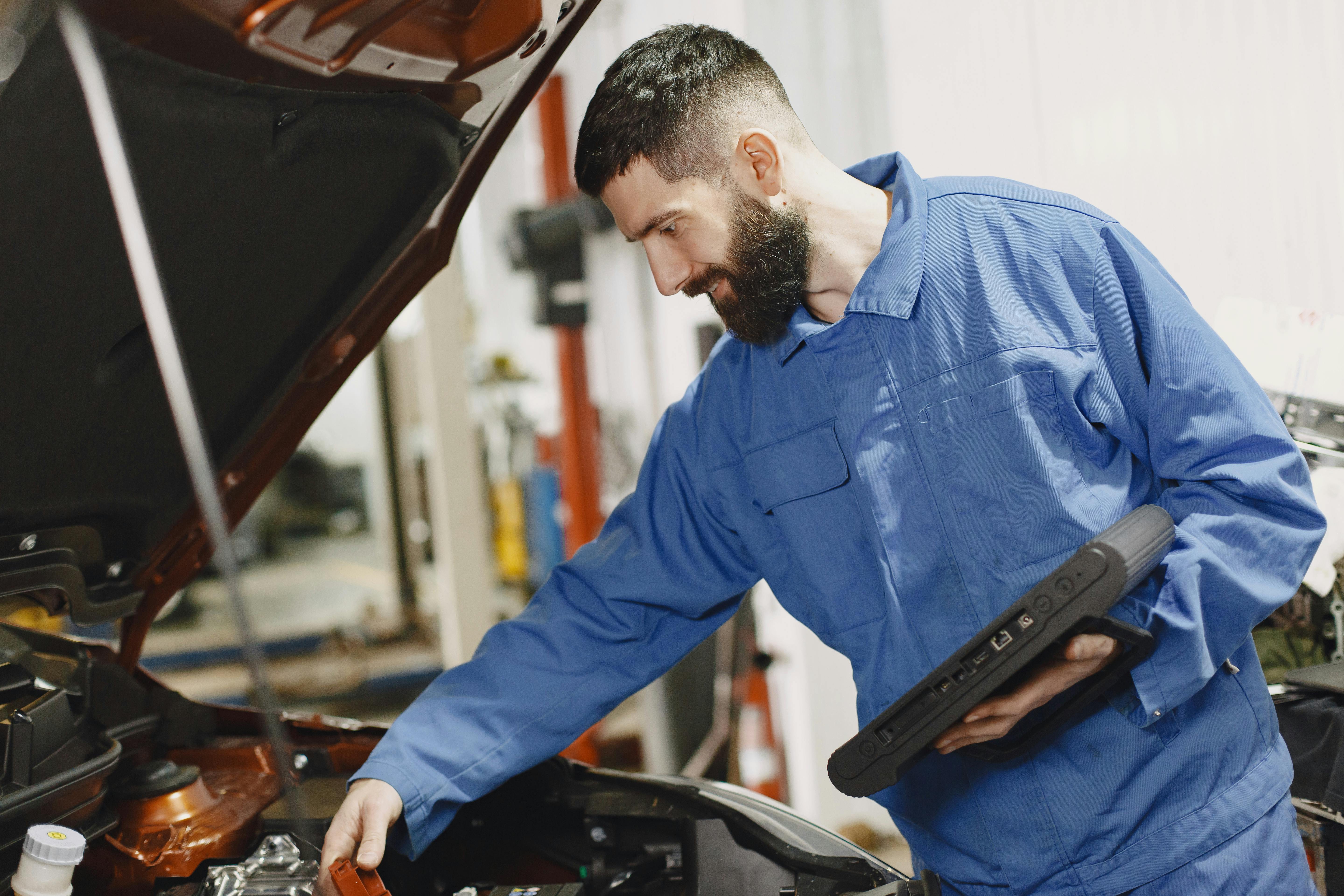
A heater that stops working is easy to ignore during mild weather, but waiting until temperatures drop can leave you uncomfortable and increase the risk of additional repairs. More importantly, some heater-related problems indicate issues that affect the engine itself, not just cabin comfort.
For example, a faulty thermostat or coolant leak may begin as poor heat but eventually cause the engine to overheat. Likewise, a failing water pump or restricted radiator can reduce coolant circulation enough to affect overall engine performance.
Addressing these concerns early allows technicians to identify the root cause efficiently and effectively before damage spreads to other components. Rather than replacing parts based on guesswork, a thorough inspection confirms exactly what needs attention.
Routine Maintenance Helps Prevent Heater Problems
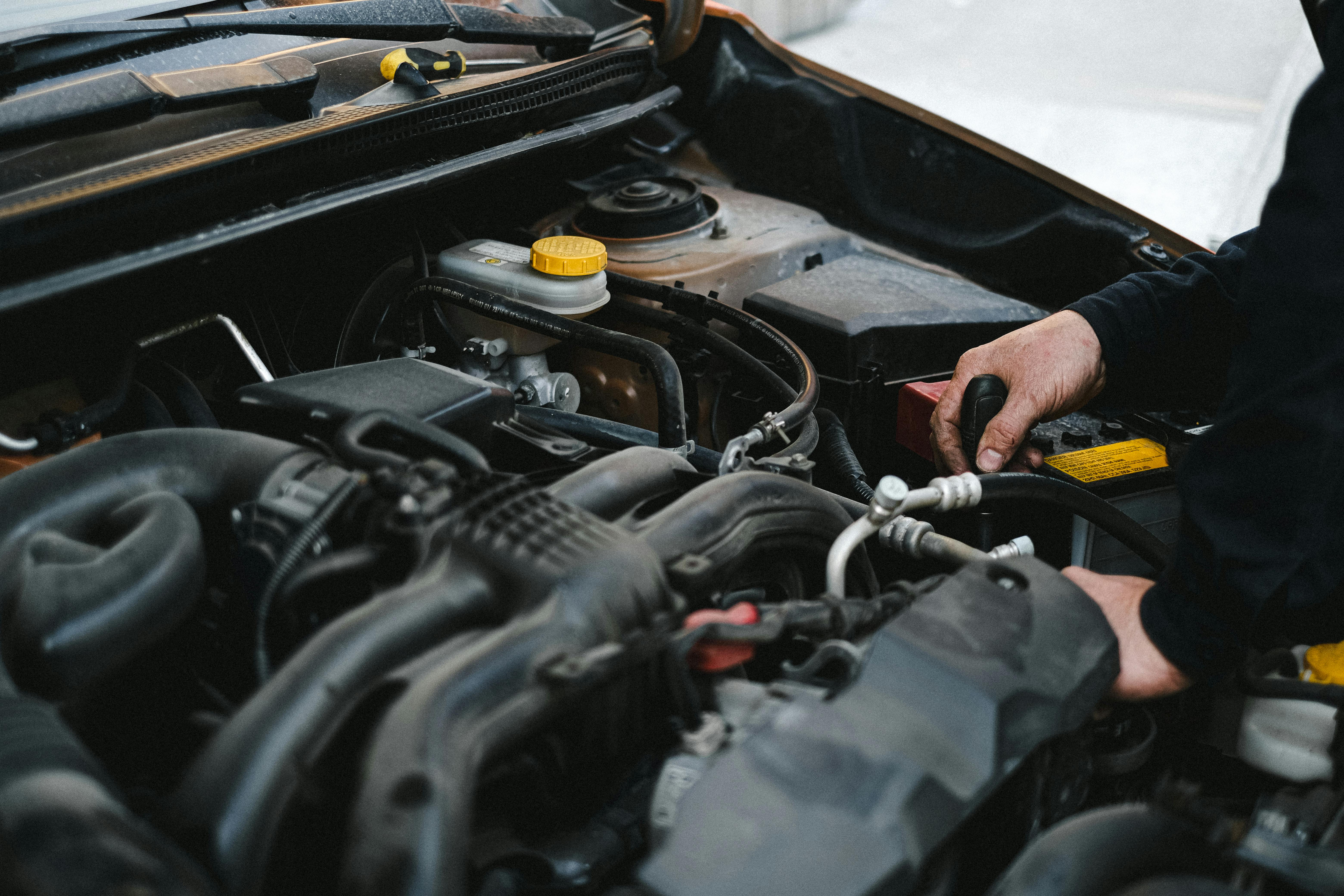
Many heating system issues develop gradually over time. Regular car maintenance helps catch worn or leaking components before they leave you without heat on a cold morning.
Preventative inspections may identify:
- Aging coolant hoses
- A worn thermostat
- Coolant leaks
- Drive belt wear
During scheduled auto maintenance, technicians can also inspect related systems that contribute to dependable vehicle performance. Components such as the brakes, steering, suspension, tires, battery, and engine all work together to keep your vehicle operating safely throughout every season. If your vehicle is already in the shop for an oil change, it is often an ideal opportunity to have the cooling system inspected before colder weather arrives.
Other Warning Signs You Should Not Ignore
A heater that blows cold air is often accompanied by other symptoms that point toward a larger issue. Paying attention to these warning signs can help prevent unexpected breakdowns.
Watch for:
- The temperature gauge reading higher or lower than normal
- Steam coming from beneath the hood
- Coolant collecting under the vehicle
- A sweet smell inside the cabin
- Gurgling sounds behind the dashboard
- The check engine light illuminating
Sometimes a heating concern appears alongside unrelated maintenance needs. Addressing multiple issues during one visit can help reduce downtime while ensuring your vehicle is ready for changing road conditions.
Trust Accurate Diagnosis Instead of Guesswork
Replacing the thermostat because someone online suggested it may not solve the problem. The same is true for adding coolant without finding the leak or replacing HVAC components before confirming they have failed.
Professional diagnosis focuses on identifying the actual cause of the problem. Experienced technicians inspect coolant circulation, operating temperature, hoses, the heater core, electronic controls, and related systems before recommending repairs. This approach reflects Vehicle Masters’ commitment to efficiently and effectively identifying vehicle problems while clearly explaining the findings before any work begins. Whether the solution involves water pump, radiator, or thermostat repair, finding the correct problem first saves both time and unnecessary expense.
Stay Comfortable and Protect Your Engine
If your heater has stopped working or is only producing lukewarm air, do not wait until freezing temperatures arrive. A heating problem often points to an issue that affects engine reliability as well as cabin comfort. Vehicle Masters is a trusted auto repair shop serving Oak Forest, the South Suburbs, and surrounding communities with general vehicle repair, diagnostics, and maintenance. Quality service, competitive pricing, customer satisfaction, and clear communication remain the focus of every repair.
If your vehicle needs an inspection, learn more about the team on the About Us page, explore their professional Suspension Repair services, or Contact Vehicle Masters today. For prompt attention to your needs, please call 708-687-9955 to discuss your vehicle with an experienced technician.