
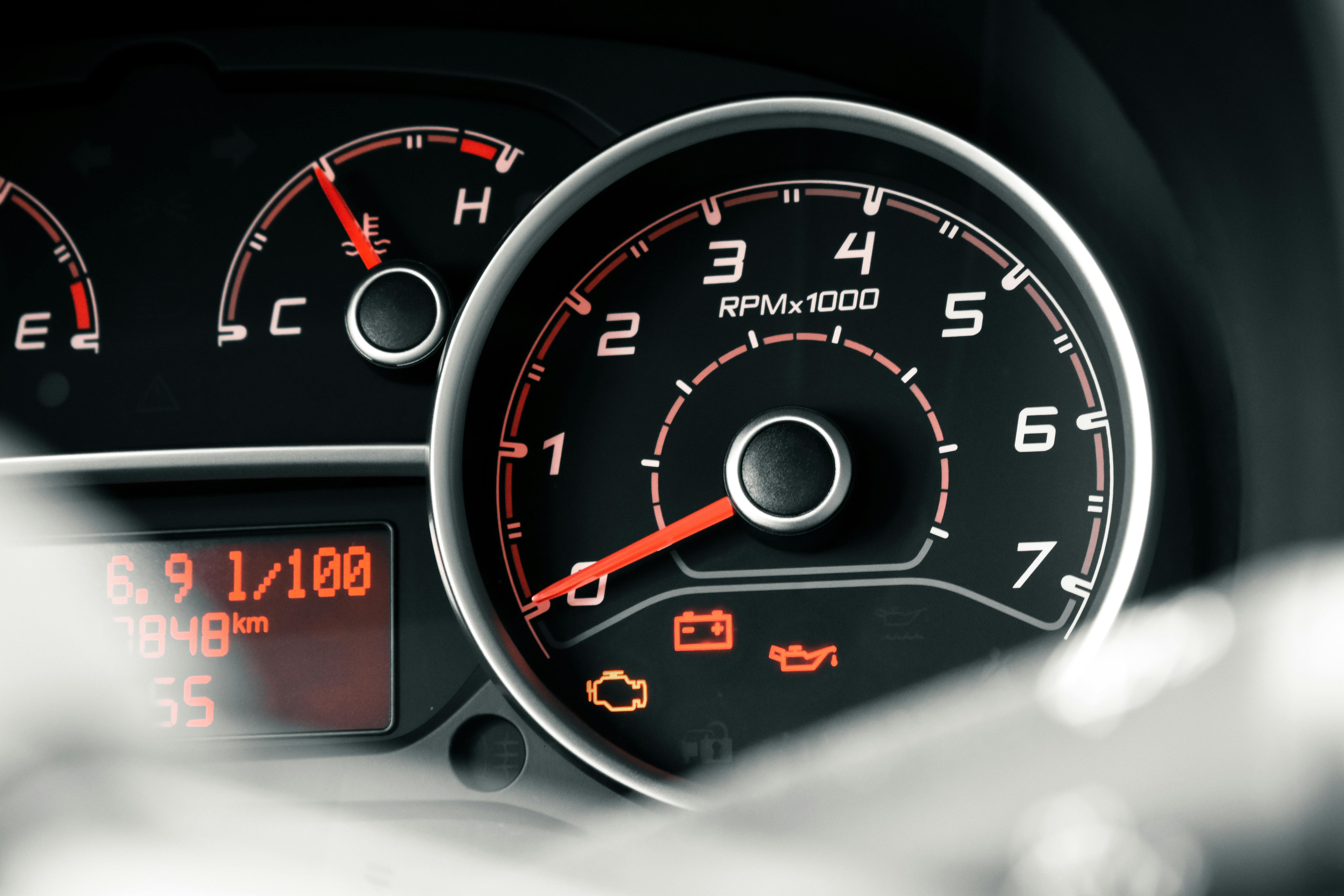
Few dashboard warnings spark as much confusion as the check engine light. It glows amber without any explanation, leaving you to wonder whether you can keep driving or whether your engine is about to fail. The reality sits somewhere in the middle, and knowing the difference makes all the difference. The truth about check engine light causes is that they range from a loose gas cap to a serious engine fault, and reading the situation correctly saves you both money and stress. For drivers in Oak Forest and across the South Suburbs, learning how to respond turns a moment of panic into a manageable decision.
The check engine light is part of your vehicle’s onboard diagnostics system. When a sensor detects something outside the normal range, the system stores a code and illuminates the light. What that code means is the key question.
What the Check Engine Light Actually Signals
The light is a messenger, not a diagnosis. It tells you the system detected a problem, but not what that problem is. Here is what it can indicate:
- A minor issue such as a loose or faulty gas cap that disrupts the fuel vapor system.
- A moderate concern like a failing sensor that affects how the engine runs.
- A serious fault such as a misfire that can damage other components if ignored.
- An emissions problem that could cause a failed emissions test.
- A developing failure that started small but will worsen without attention.
Steady Light Versus Flashing Light
The way the light behaves tells you how urgently you need to act. This distinction matters more than almost anything else:
- A steady light usually indicates a problem that needs attention soon but does not require you to stop immediately. You can typically drive to a shop for diagnosis.
- A flashing light signals an active, serious problem, often an engine misfire that can damage the catalytic converter. This demands prompt attention.
- A light that comes and goes points to an intermittent fault that still stored a code worth checking.
- A light paired with symptoms such as rough running or power loss raises the urgency considerably.

The Most Common Triggers
While hundreds of specific codes exist, most check engine lights trace back to a handful of common causes:
- A loose or faulty gas cap that breaks the seal on the fuel vapor system, one of the simplest and most frequent triggers.
- A failing oxygen sensor that measures exhaust gases and affects fuel efficiency when it fails.
- A bad catalytic converter that can trigger the light and hurt performance.
- Worn spark plugs or ignition parts that cause misfires and rough running.
- A faulty mass airflow sensor that misreads the air entering the engine.
According to NHTSA’s guidance on vehicle safety systems, warning systems exist to alert drivers to problems before they become dangerous, which is why the light should never be ignored. Consumer Reports’ troubleshooting guidance adds that a proper scan is the only reliable way to know what triggered the light, and the U.S. Department of Energy notes that addressing the underlying cause often restores lost fuel economy.
What You Should Do When the Light Comes On
Knowing how to respond keeps a minor issue from becoming a major one. Follow this practical approach:
- Check the gas cap first since a loose cap is a common and easy fix. Tighten it and see if the light clears after a few drives.
- Note any symptoms such as rough idling, power loss, or unusual sounds, which help with diagnosis.
- Watch for a flashing light and reduce speed or stop driving if it flashes, since that signals a serious fault.
- Avoid guessing at the cause, since the same light can come from many different problems.
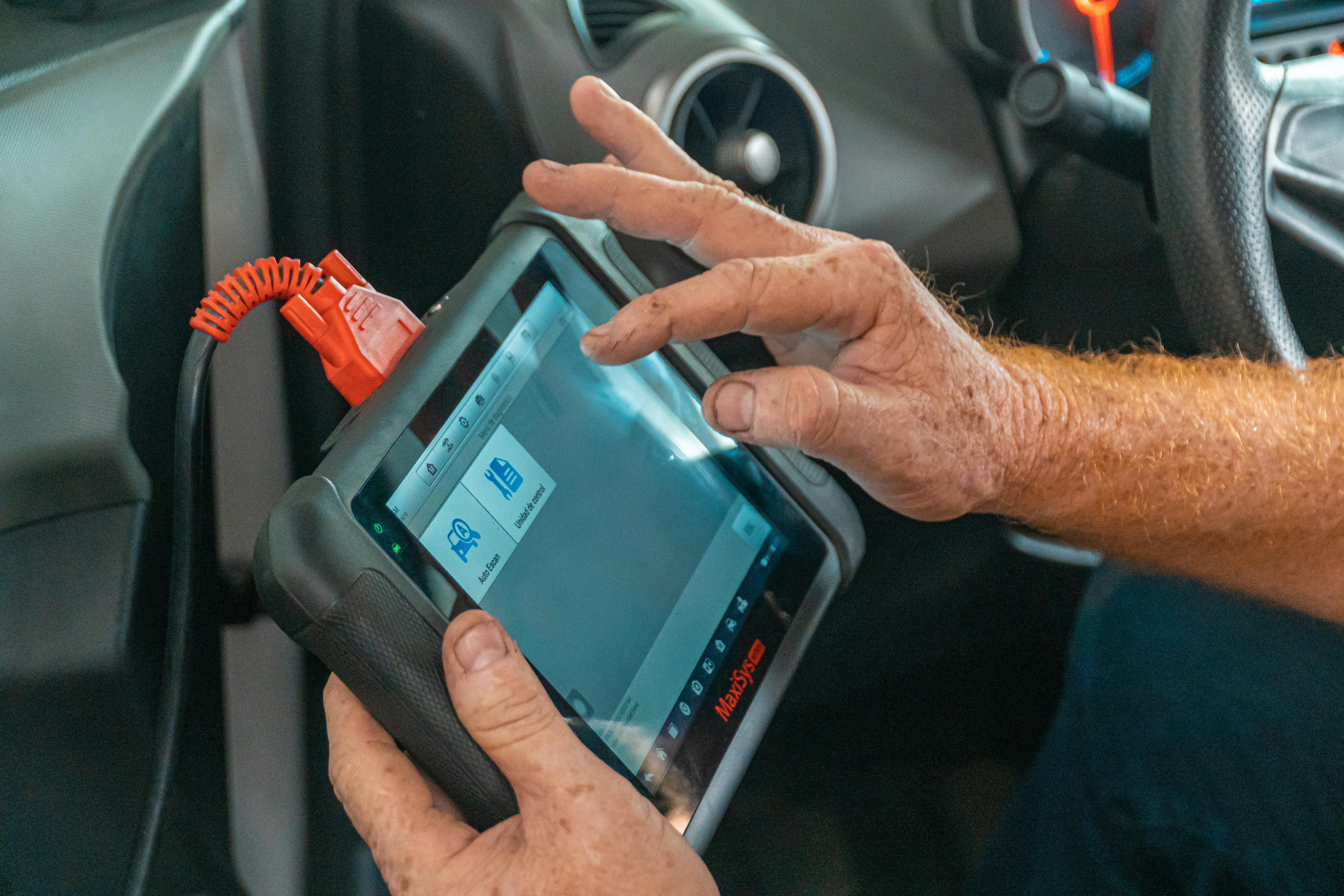
- Get a proper scan through a professional diagnostic servicethat reads the actual stored code.
Why a Professional Scan Matters
A stored code points toward a system, but it rarely names the exact failed part. Accurate diagnosis takes more than reading a code: Drivers who want a thorough starting point can always begin with a full auto shop inspection.
- Reading active and stored codes to capture the full picture.
- Interpreting the data since one code can have several possible causes.
- Testing the suspected components to confirm the actual fault.
- Verifying the repair so the light stays off after the work is done through reliable auto repair.
How to Prevent Unnecessary Check Engine Lights
While some triggers are unavoidable, a few simple habits reduce the odds of a preventable warning light appearing in the first place:
- Tighten the gas cap fully after every fill-up, since a loose cap is one of the most common triggers.
- Keep up with maintenance because worn spark plugs and sensors often set off the light.
- Address small issues early before they escalate into a fault the system flags.
- Use quality fuel, which helps keep the fuel and emissions systems running cleanly.
Why Ignoring the Light Costs More Later
Putting off a check engine light rarely saves money, and often the opposite is true. Here is what waiting tends to cost:
- A small fault grows because many problems worsen and damage connected parts over time.
- Fuel economy suffers since issues like a bad sensor make the engine burn fuel less efficiently.
- Emissions climb, which can mean a failed test and additional repairs before you can pass.
- A minor repair becomes major as a neglected misfire can eventually harm the catalytic converter.
Frequently Asked Questions
Q: Can I keep driving with the check engine light on?
If the light is steady and the vehicle runs normally, you can usually drive to a shop for diagnosis without immediate risk. However, you should not ignore it for long. If the light is flashing, that signals a serious problem, and you should reduce speed and seek diagnosis right away to avoid damaging the catalytic converter.
Q: Will the light turn off by itself?
Sometimes. If the trigger was something minor like a loose gas cap, the light may clear after a few drives once the issue resolves. But a light that keeps returning indicates an unresolved problem. Even if it turns off, the code often remains stored, which is why a scan is still worthwhile.
Q: Is it worth buying my own code reader?
A basic code reader can tell you which code is stored, which is a helpful start. However, the code points toward a system rather than a specific failed part. Professional diagnosis combines the code with testing and experience to identify the real cause, which prevents the costly mistake of replacing the wrong component.
Q: Does a check engine light affect my emissions test?
A: Yes, it often does. In many areas, a vehicle with an active check engine light will automatically fail an emissions test, regardless of the specific cause. That is because the light indicates the onboard system detected a fault that could affect emissions. Resolving the underlying issue before testing is the only reliable way to pass.
Get a Clear Answer When Your Light Comes On
A glowing check engine light does not have to be a mystery or a source of dread. If yours has come on, give us a call at 708-687-9955. At Vehicle Masters, we have served Oak Forest and the South Suburbs for over 30 years, and our team reads the actual code, tests the suspected components, and gives you a straight answer before recommending any engine repair.