
Tires are the only part of a vehicle that actually makes contact with the road, yet tire pressure is one of the most consistently neglected aspects of vehicle maintenance. It’s easy to overlook — tires can be significantly underinflated without looking visibly flat, and many drivers assume the tire pressure monitoring system (TPMS) light will alert them to any problem.
The reality is that TPMS only activates when a tire is already 25 percent or more below the recommended pressure. By that point, the tire has been doing damage — to fuel economy, to handling, and potentially to itself — for some time.
The importance of tire pressure matters for drivers in Oak Forest and across the South Suburbs because local roads — with their seasonal potholes, temperature swings, and heavy stop-and-go traffic — put extra strain on tires year-round. A few minutes with a gauge each month is one of the highest-return maintenance habits available to any driver.
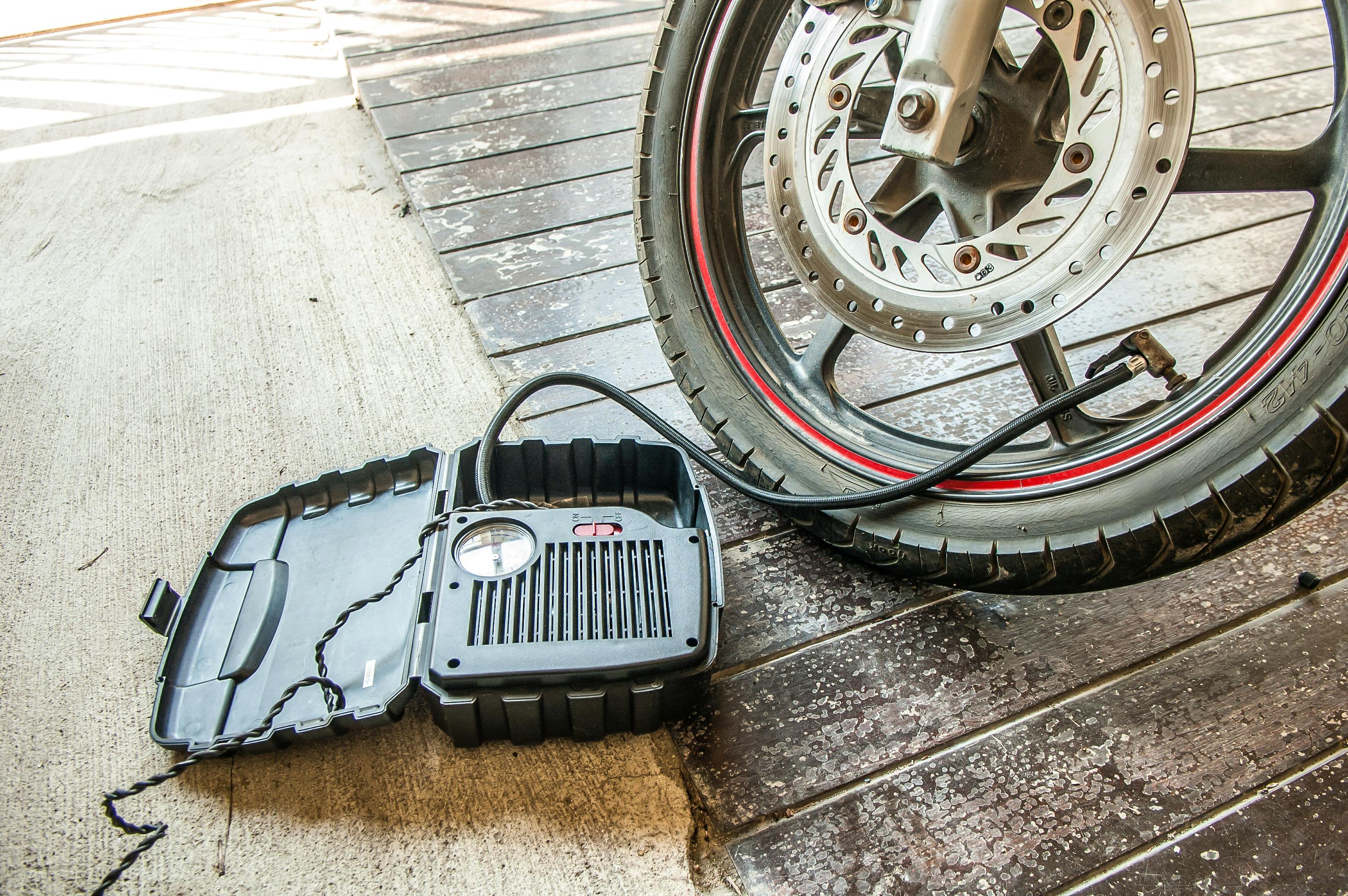
The Numbers That Make the Case
The data on tire pressure and safety is straightforward and worth knowing. According to NHTSA’s TireWise program, only 19 percent of consumers properly inflate their tires — meaning four out of five drivers are operating on underinflated tires. In 2024, 511 people died in tire-related crashes on U.S. roads. NHTSA also reports that properly inflated tires can save drivers up to 11 cents per gallon on fuel and extend average tire life by 4,700 miles. The maintenance effort required to capture those benefits is checking the pressure once a month.
Research from NHTSA’s statistical investigation into tire pressure maintenance found that approximately 28 percent of light vehicles on U.S. roadways run with at least one underinflated tire at any given time. The same research confirmed that even a few PSI below the recommended level affects handling and stopping distance — degradation that happens well before any warning light activates.
How Underinflation Affects Vehicle Safety
An underinflated tire doesn’t just wear faster — it changes how the vehicle behaves in ways that matter most when something unexpected happens on the road. The specific effects:
- Increased stopping distance — an underinflated tire has a compromised contact patch with the road. Less grip means longer stopping distances. In an emergency braking situation, that difference is measured in feet — and feet matter.
- Reduced handling precision — tires that aren’t at the correct pressure flex unevenly during cornering, which affects how predictably the vehicle responds to steering input. The degradation is subtle at low speeds but pronounced during emergency maneuvers or highway lane changes.
- Increased blowout risk — underinflated tires flex more on every rotation, generating excess heat inside the tire structure. That heat accelerates rubber degradation and significantly increases the risk of a sudden blowout at highway speed — one of the most dangerous events a driver can experience.
- Hydroplaning vulnerability — proper tire pressure maintains the tread’s ability to channel water away from the contact patch. Underinflated tires allow the tread to deform under load, reducing water channeling and increasing the likelihood of hydroplaning on wet roads.
Overinflation: The Other Side of the Problem
Most tire pressure discussions focus on underinflation, but overinflation creates its own set of problems that are equally worth understanding:
- Reduced contact patch — an overinflated tire bulges slightly at the center, reducing the amount of tread that contacts the road. This concentrates wear in the center of the tread rather than evenly distributing it.
- Harsher ride and reduced shock absorption — overinflated tires transmit more road impact directly through the suspension, which increases wear on suspension components over time and makes the ride noticeably harsher.
- Increased puncture and impact damage risk — an overinflated tire has less ability to deform when striking a pothole or road debris. That rigidity transfers the full impact force to the tire and wheel, increasing the risk of damage.
- Compromised traction in wet or cold conditions — reduced contact patch means reduced grip, particularly on wet roads or in cold temperatures where traction is already at a premium.
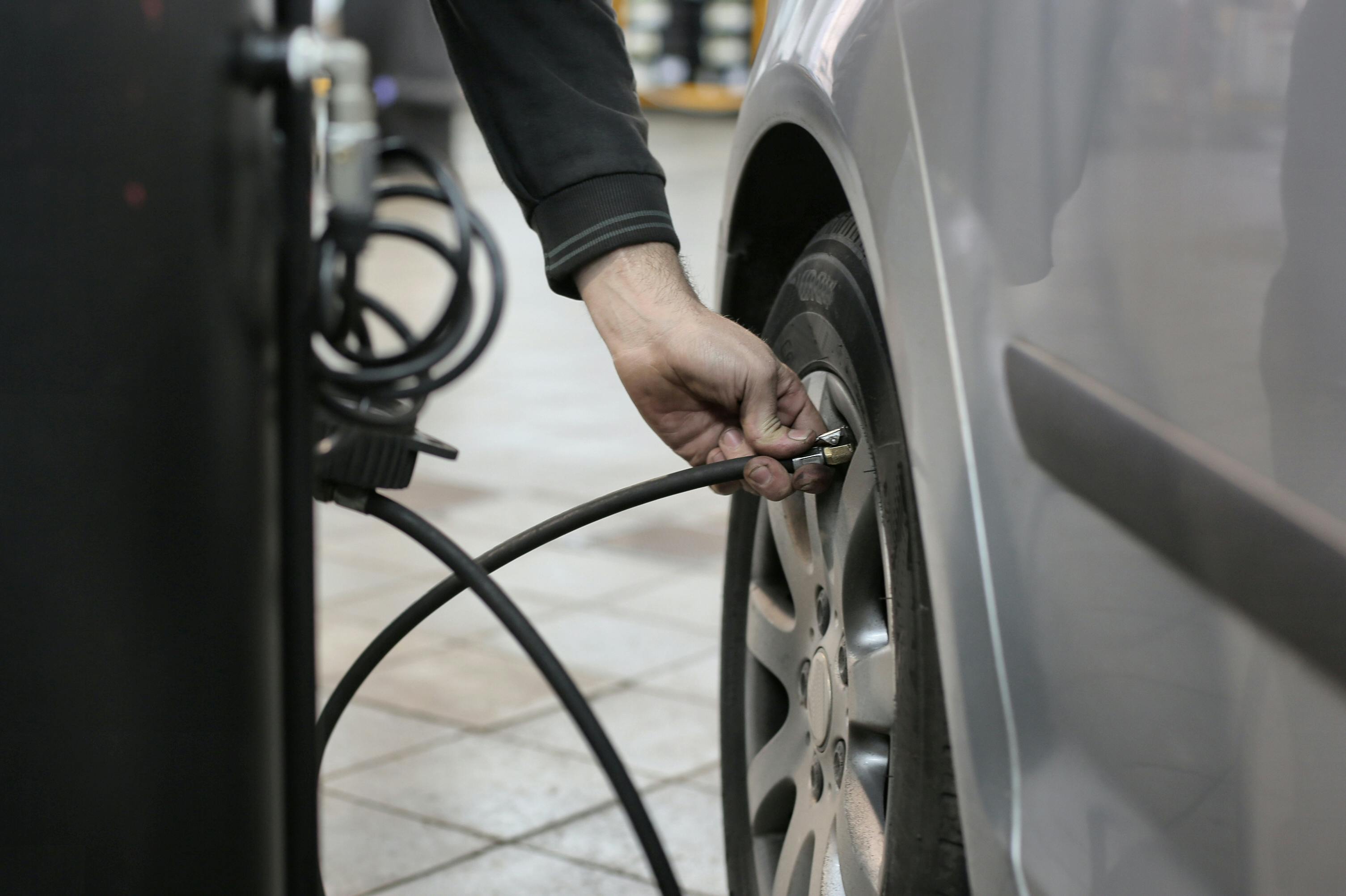
Tire Pressure and Uneven Wear
One of the most visible long-term consequences of incorrect tire pressure is uneven wear, which is expensive. Tires worn unevenly don’t just need to be replaced sooner; they can also indicate or accelerate problems in the suspension and steering systems that significantly compound the cost.
The wear patterns tell a clear story:
- Center wear — excessive wear in the center of the tread indicates consistent overinflation. The inflated tire contacts the road primarily through its center rather than across the full tread width.
- Edge wear — wear concentrated on both outer edges of the tread indicates consistent underinflation. The tire is running on its shoulders rather than its full tread surface.
- One-sided wear — wear concentrated on one edge of the tread typically points to an alignment problem rather than a pressure issue. A wheel alignment serviceis the appropriate response when this pattern appears.
- Scalloping or cupping — a wavy, uneven wear pattern across the tread often indicates a worn shock or strut that is allowing the tire to bounce rather than maintain consistent road contact.
How and When to Check Tire Pressure
The process is simple. A quality tire pressure gauge costs a few dollars and takes less than two minutes to use. Here’s what correct practice looks like:
- Check when the tires are cold — tire pressure increases as tires warm up from driving. Checking after a drive produces a higher reading than the actual resting pressure, making the tire appear more inflated than it is. Cold pressure — measured before driving or after the vehicle has sat for at least 3 hours — provides an accurate baseline.
- Use the door placard, not the tire sidewall — the maximum pressure listed on the tire sidewall is not the recommended operating pressure. The correct pressure for the vehicle is on the sticker inside the driver’s door jamb or in the owner’s manual.
- Check all four tires and the spare — spare tires are frequently overlooked until they’re needed. A flat spare discovered on the roadside is a compounded problem.
- Check monthly and before long trips — NHTSA recommends monthly checks as standard practice. Tires lose approximately one PSI per month under normal conditions, and more rapidly in cold weather when the air contracts.
FAQ: Tire Pressure Importance
Q: Can I rely on my TPMS light to tell me when to check tire pressure?
A: Not as your only method. TPMS activates when a tire is 25 percent or more below the recommended pressure — a significant underinflation that has already been affecting fuel economy, handling, and tire wear for some time. Monthly manual checks catch gradual pressure loss well before it reaches the threshold that triggers a warning light.
Q: How much does tire pressure actually affect fuel economy?
A: NHTSA reports that proper tire inflation can save drivers up to 11 cents per gallon. On a vehicle driven 15,000 miles per year with an average fuel economy of 25 MPG, that works out to roughly $66 in annual fuel savings from this single maintenance habit — on top of the extended tire life and reduced wear benefits.
Q: Does the weather affect tire pressure?
A: Yes, significantly. Tire pressure drops approximately one PSI for every 10-degree Fahrenheit decrease in ambient temperature. In the Midwest, where temperatures can swing 30 to 40 degrees between seasons, a tire properly inflated in September may be several PSI low by December, with no leak. Checking pressure more frequently during seasonal transitions accounts for this.
Your Tires Deserve More Than a Once-a-Year Look
Understanding the importance of tire pressure— safety, fuel economy, tire longevity — is the first step. The second is building a monthly check into the routine. If a pressure check reveals something that warrants a closer look, or if you’re noticing uneven wear, pulling, or handling changes, give us a call at 708-687-9955. At Vehicle Masters, we inspect tires and suspension systems thoroughly and tell you exactly what we find. Serving Oak Forest and the South Suburbs with honest, competitively priced vehicle care — we’re highly recommended, and we’re ready to help.