
Scheduled service visits are the foundation of a well-maintained vehicle — but the miles between those visits are where a lot can quietly go wrong. Fluids leak, degrade, and get consumed over time, and by the time a warning light appears or a symptom develops, the damage is often already underway. Consistent vehicle fluid maintenance between professional service visits is one of the simplest, most practical habits a driver can build — and it costs nothing but a few minutes under the hood.
For everyday drivers in Oak Forest and the surrounding South Suburbs, staying on top of fluid levels doesn’t require mechanical expertise. It requires knowing which fluids matter, what normal looks like, and when something is off enough to warrant a call to a shop.
Engine Oil: The Most Important Fluid on the Vehicle
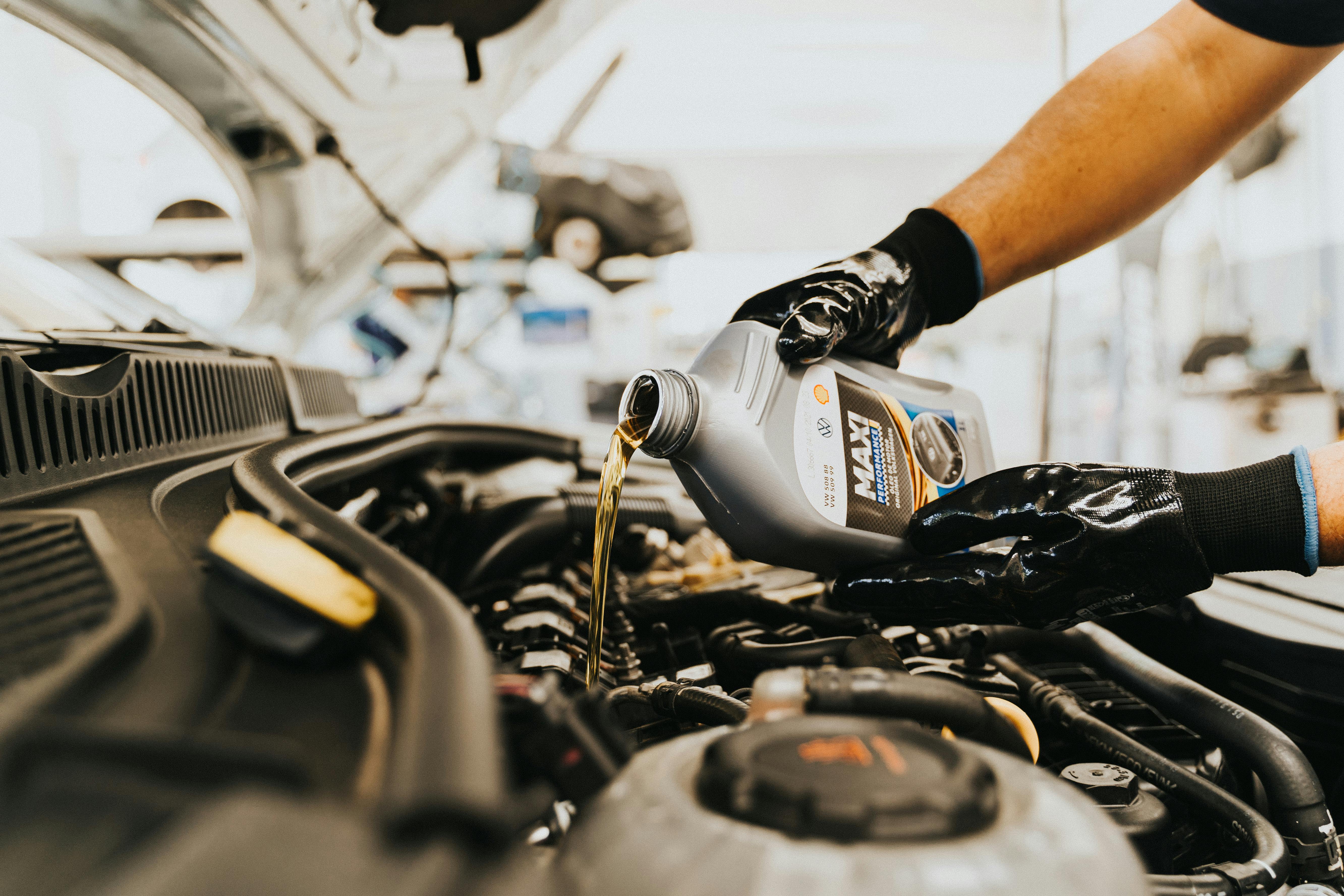
Engine oil is the lifeblood of any internal combustion engine. It lubricates hundreds of moving parts, carries heat away from critical components, and keeps contaminants in suspension until the next oil change removes them. When oil levels drop, or the oil itself degrades, those functions break down — and internal engine wear accelerates silently.
Between oil changes, drivers should check the oil level and condition every few weeks or before any long trip:
- Level — pull the dipstick, wipe it clean, reinsert fully, and pull again. The oil should sit between the min and max marks. Consistently low levels between changes often indicate a slow leak or consumption issue worth investigating.
- Color and consistency — fresh oil is amber and translucent. Dark brown or black oil has degraded. Oil that looks milky or foamy suggests coolant contamination — a serious warning sign that warrants immediate inspection.
- Smell — a burnt smell from the oil often signals the engine is running hot or the oil is significantly past its service life.
Coolant: Keeping Overheating Off the Table
The cooling system manages engine temperature by circulating coolant through the engine block and radiator. When coolant levels drop — whether from a slow hose leak, a weeping radiator connection, or a failing water pump seal — the system’s ability to transfer heat diminishes. Left unaddressed, low coolant is a direct path to engine overheating and the expensive repairs that follow. Checking coolant is straightforward and should always be done with the engine cold:
- Level — locate the translucent coolant reservoir near the radiator and confirm the fluid sits between the min and max markings.
- Condition —coolant should be brightly colored and free from particles. Discolored or rusty coolant has lost its corrosion inhibitors and needs a flush. A cooling system repair servicecan determine whether a flush alone is sufficient or whether a component needs attention too.
- Leaks — coolant puddles under the vehicle, white smoke from the exhaust, or a sweet smell from the engine bay all warrant immediate attention rather than a wait-and-see approach.
Brake Fluid: Small Volume, Critical Role
Brake fluid transmits pedal pressure through the lines to the calipers, which clamp the pads against the rotors to stop the vehicle. It operates in a closed system, so a noticeable drop in level almost always points to a leak somewhere or to significantly worn brake pads — either of which warrants a prompt auto brake inspection. Beyond level, condition matters significantly:
- Boiling point degradation — brake fluid absorbs moisture over time, which lowers its boiling point. Degraded fluid can vaporize under sustained braking load, creating compressible gas in the lines and causing sudden, dangerous pedal loss.
- Color — fresh brake fluid is clear to light yellow. Dark brown or black fluid has absorbed significant moisture and contamination. A flush is overdue.
- Reservoir cap — keeping it tightly sealed slows the moisture absorption that degrades brake fluid between service intervals.
Transmission Fluid: The Overlooked One
Transmission fluid lubricates the gearbox’s internal components, manages heat generated during gear changes, and keeps the clutch packs and valve body operating smoothly. It doesn’t receive the same attention as engine oil, but degraded transmission fluid is one of the more common causes of costly transmission repairs that could have been avoided. On vehicles where it can be checked:
- Color — healthy transmission fluid is red or pink and slightly translucent. Dark brown fluid with a burnt smell has degraded and is no longer adequately protecting the transmission.
- Consistency — fluid that feels gritty between the fingers contains metal particles from internal wear. This signals that a service is overdue and deserves professional evaluation.
- Level — low transmission fluid causes slipping, delayed engagement, and rough shifts. On vehicles with a sealed transmission, a shop checks this during scheduled service.
Power Steering and Washer Fluid
Two more fluids worth keeping on the radar between visits:
- Power steering fluid — low or contaminated fluid puts strain on the pump and rack, producing whining sounds and stiff steering at low speed. A quick level check and visual inspection for leaks near the reservoir or rack takes under a minute and can prevent power steering repairs from being necessary earlier than expected.
- Windshield washer fluid — the only fluid here that poses no mechanical risk when low, but running out during highway driving through road spray is a genuine visibility hazard. Keep it topped off, especially as we head into the summer and winter driving seasons.
When a Fluid Check Reveals Something Worth Acting On
The value of regular fluid checks is that they surface problems early — before they develop into symptoms that affect performance or safety. Some situations that should prompt an immediate call to a shop rather than continued monitoring:
- Milky or foamy engine oil — possible coolant intrusion, which can indicate a head gasket issue that needs attention before further driving.
- Coolant that keeps running low — points to an active leak somewhere in the system that a visual check alone won’t locate.
- Brake fluid level dropping — indicates either a system leak or pads worn to a point where brake service is needed.
- Transmission fluid that smells burnt — signals the transmission is running hot or the fluid is well past its service life.
FAQ: Vehicle Fluid Maintenance
Q: How often should I check my vehicle’s fluids between service visits?
A: Engine oil is worth checking every two to three weeks or before any long trip. Coolant, brake fluid, and power steering fluid can be checked monthly. Building a quick under-hood check into a routine — perhaps on the first of each month — keeps you consistently informed without taking significant time.
Q: Can I top off fluids myself at home?
A: Yes, for most fluids — engine oil, coolant, windshield washer fluid, and power steering fluid can all be topped off at home using the correct type listed in the owner’s manual. Brake fluid can also be topped off, though a drop in level warrants an inspection first. The key rule: always use the fluid type specified for your vehicle. Mixing incompatible fluids can cause system damage that costs significantly more to repair than the fluid itself.
Q: If my fluid looks fine, does it still need to be replaced on schedule?
A: Yes. Fluid condition isn’t always visible. Brake fluid absorbs moisture regardless of color. Coolant loses its corrosion inhibitors over time, even when it still appears clean. Transmission fluid degrades thermally, but it doesn’t always turn visibly dark. Manufacturer-recommended service intervals exist for this reason — they account for degradation that happens below the visible threshold.
Fluids Are Easy to Check — and Expensive to Ignore
Staying on top of vehicle fluid maintenance between visits is one of the highest-return habits in vehicle ownership. If it’s been a while since your last service, or if a fluid check has raised a concern, give us a call at 708-687-9955.
At Vehicle Masters, we inspect every major fluid system as part of our service process — checking levels, condition, and anything that doesn’t look right. We serve the South Suburbs and surrounding communities with honest, no-pressure vehicle care.