
You turn into a parking space or pull away from a stop, and suddenly you hear a repeated clicking sound near one of your wheels. A clicking noise when turning often points to a worn constant velocity (CV) joint, but steering, suspension, and brake components can also make similar noises. The sound alone does not confirm which part has failed.
Knowing when the noise occurs, where it seems to come from, and whether other symptoms appear can help narrow down the cause. Here is what drivers should know, what a mechanic will inspect, and when to seek professional attention.
Why Your Car Clicks When You Turn
The timing and pattern of the sound offer useful clues. Pay attention to what the vehicle is doing when the noise starts.
- Clicking during tight turns:Repeated clicking while turning sharply at low speeds often indicates a worn outer CV joint. The sound may become more noticeable when accelerating through a turn.
- Clicking while turning the steering wheel at a standstill:This can point to a steering or suspension component, including a strut mount or steering linkage, rather than a CV joint.
- Clicking over bumps and while cornering:Loose or worn suspension components may move under changing loads and produce clicking, knocking, or clunking sounds.
- Clicking that changes when braking:Brake pads, retaining hardware, or other brake components may be loose or worn. The noise needs to be evaluated alongside braking performance.
- A single click when changing direction:A click when shifting from reverse to drive or changing from acceleration to deceleration can sometimes come from movement in the drivetrain or suspension. It does not automatically mean a CV joint has failed.
Notice whether the sound comes from the left or right side and whether it happens during left turns, right turns, or both. These details help a mechanic reproduce the symptom during an inspection.
A Worn CV Joint Is a Common Cause
Constant velocity joints transfer power from the transmission to the drive wheels while allowing the wheels to move with the suspension and turn with the steering system. Front-wheel-drive vehicles commonly use CV axles, and many all-wheel-drive vehicles have CV joints as well.
The outer CV joint must accommodate steering movement while transmitting engine power. When it wears, it can produce the familiar clicking sound during tight turns.
Watch for these signs:
- Repeated clicking while turning:The sound may speed up as the wheel rotates and become louder during tighter turns.
- Grease around the inside of a wheel:A torn CV boot can allow grease to escape and let dirt and moisture enter the joint.
- Noise during acceleration:A worn joint may click more noticeably when engine power is applied through a turn.
- Vibration or shuddering:This can occur with certain axle or joint problems, although it has several other possible causes.
A mechanic will inspect the CV boots, look for grease leakage, check for excessive joint play, and evaluate the axle and surrounding components. A damaged boot does not automatically mean the joint has failed, but continued contamination can accelerate wear.
Replacing parts based on sound alone is risky. The inspection should establish whether the joint, axle, or another component is responsible.
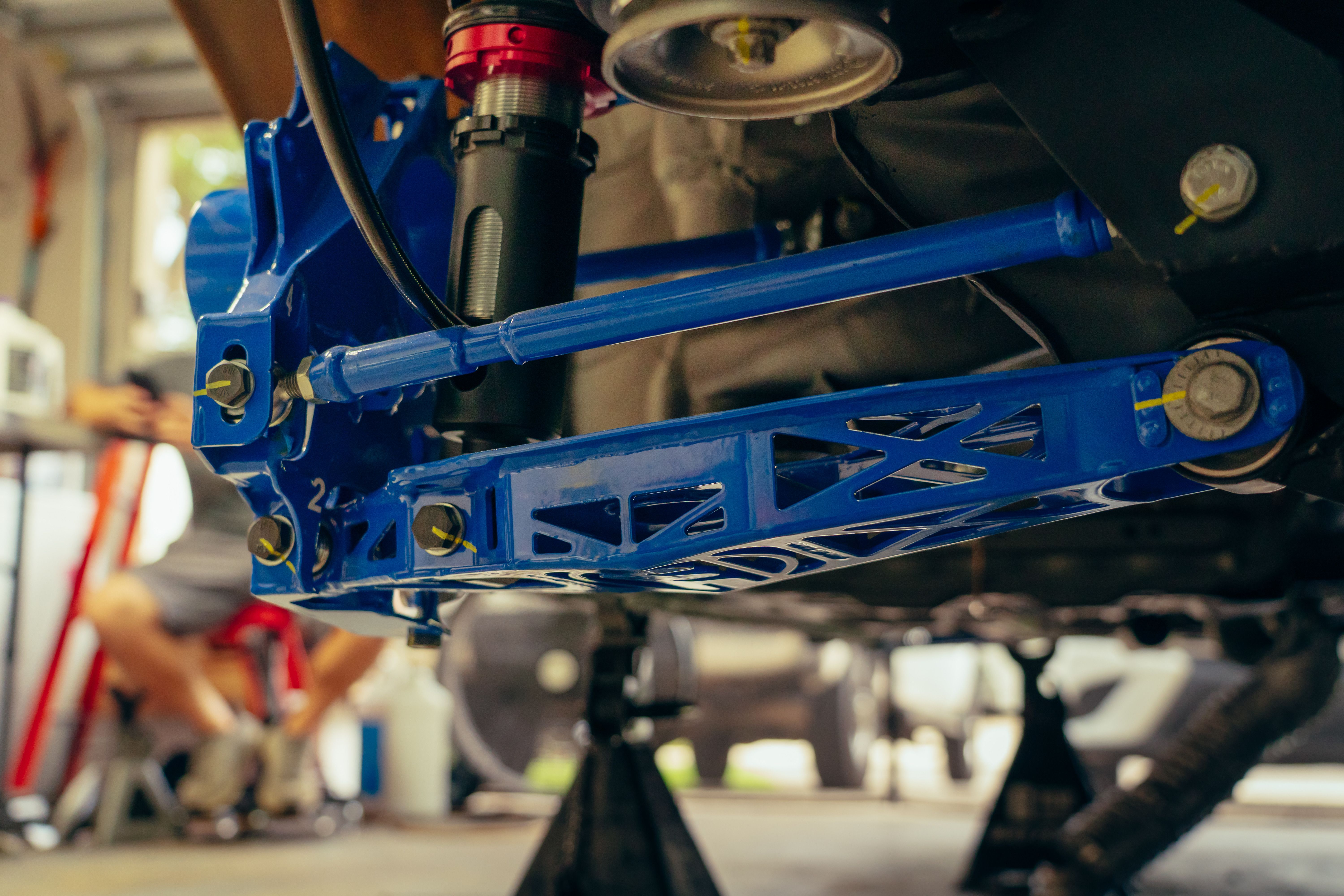
Other Parts That Can Make Clicking Noises
A clicking noise when turning is not always caused by a CV joint. Several other systems can produce similar sounds.
- Strut mounts and suspension joints:Worn strut mounts, ball joints, or tie rod ends can click or pop as the steering moves. A mechanic will check for looseness, abnormal movement, and related steering symptoms.
- Sway bar links and bushings:Worn or loose parts may knock or click when the vehicle leans during a turn or travels over uneven pavement.
- Coil springs:A spring that is damaged, displaced, or binding in its seat may produce a popping or snapping sound as the suspension moves. A broken spring can also affect ride height and tire clearance.
- Brake hardware:Loose clips, improperly secured components, or worn pads may create clicking that changes with wheel movement or brake application.
- Wheel or tire problems:Loose wheel fasteners, tire damage, or an object lodged in the tread can produce noises that seem to come from the suspension. Loose wheel fasteners are a serious safety concern and require prompt attention.
The differences are not always obvious from the driver’s seat. A proper inspection helps separate a drivetrain problem from a steering, suspension, or brake issue.

What Happens If You Ignore the Clicking Noise?
A small clicking sound may not seem urgent if the car still drives normally. However, the consequences depend on which component is causing it.
- A worn CV joint can deteriorate further:Continued wear can eventually cause the joint or axle to stop transmitting power properly, potentially leaving the vehicle unable to move under its own power.
- Damaged suspension parts can affect handling:Excessive play in steering joints or suspension components can compromise vehicle control. A severely damaged ball joint, for example, can create a serious safety risk.
- Broken springs can damage nearby parts:A displaced or broken coil spring may interfere with tire clearance or affect how the vehicle sits and handles.
- Brake problems can worsen:Loose hardware or worn components may affect braking performance if the underlying issue is left unaddressed.
The important distinction is between a noise that needs prompt inspection and a vehicle that is unsafe to drive. If the clicking is accompanied by loose steering, unusual wheel movement, severe vibration, a tire rubbing against the body, or reduced braking ability, pull over safely and arrange assistance rather than continuing to drive.
If the sound is mild and the vehicle otherwise behaves normally, arrange an inspection soon instead of waiting for the noise to become louder.
What a Mechanic Checks During an Inspection
At Vehicle Masters, diagnosing the cause matters more than replacing a part based on a sound. A car suspension repair service may be appropriate when the inspection identifies a suspension fault, but the first step is determining where the noise originates.
A mechanic may:
- Reproduce the noise:Turn the steering wheel, assess the sound during controlled low-speed maneuvers when safe, and determine whether acceleration or braking changes it.
- Inspect the CV joints and boots:Look for torn rubber boots, grease leakage, contamination, and signs of excessive joint wear.
- Check steering and suspension components:Examine tie rod ends, ball joints, strut mounts, sway bar links, springs, and related hardware for damage or abnormal movement.
- Inspect the brakes and wheels:Check brake pads, retaining clips, shields, wheel fasteners, and possible tire contact.
- Evaluate related symptoms:Look for uneven tire wear, changes in ride height, vibration, pulling, or steering looseness that could help identify the problem.
A road test may help confirm the source, but the mechanic should use appropriate safety precautions. If the vehicle has a potentially dangerous steering, wheel, or suspension problem, it should not be driven merely to reproduce the sound.
Once the cause is established, the repair recommendation can target the affected component rather than relying on guesswork.

When Suspension or Shock Repairs May Be Needed
Not every clicking sound calls for suspension work. However, related symptoms can indicate that the suspension deserves closer attention.
- Auto shock repair:Worn shocks or struts more commonly cause excessive bouncing, reduced ride control, or fluid leakage than a rhythmic clicking sound during turns. A mechanic should check their condition alongside other suspension components.
- Spring repair:A broken or displaced spring may cause popping noises, uneven ride height, or tire clearance problems. A damaged spring needs professional attention because it stores significant mechanical energy.
- Car suspension repair service:If the inspection identifies worn ball joints, sway bar links, strut mounts, or other suspension parts, the necessary repair will depend on the specific fault and vehicle design.
In Oak Forest and the surrounding South Suburbs, potholes, uneven pavement, and winter road salt can contribute to wear or corrosion over time. Regular inspections can help identify developing problems before they affect handling or damage nearby components.
For additional information, see Vehicle Masters’ suspension repair service and brake repair and replacement pages.
Hear a Clicking Noise When Turning? Get It Checked
A repeated clicking noise when turning often signals a worn CV joint, but steering, suspension, and brake problems can produce similar sounds. Identifying the actual cause helps you address the right issue before wear progresses or vehicle control becomes compromised.
At Vehicle Masters, we inspect the problem before recommending repairs. If you need a car suspension repair service, auto shock repair, or spring repair, we can assess the relevant suspension components and explain what the inspection reveals.
Vehicle Masters at (708) 687-9955 to arrange an inspection.