
Of all the maintenance items drivers tend to overlook, transmission fluid may be the most costly to ignore. Unlike an oil change, transmission service doesn’t come up as often, so it’s easy to forget entirely — until the transmission starts acting up. By then, the repair bill can rival the value of the vehicle. Recognizing the transmission fluid service signs early is the difference between a routine service and a catastrophic failure. For drivers in Oak Forest and across the South Suburbs, understanding these signals protects one of the most expensive systems in the vehicle.
Transmission fluid does more than lubricate. It cools, cleans, and provides the hydraulic pressure that makes shifting possible. When it degrades, everything the transmission does begins to suffer.
What Transmission Fluid Actually Does
Understanding the fluid’s job explains why its condition matters so much:
- Lubricates moving parts — reduces friction between the countless components inside the transmission.
- Manages heat — carries away the heat generated by constant gear engagement.
- Enables shifting — provides the hydraulic pressure that actually moves the gears.
- Keeps things clean — suspends debris and carries it away from critical components.
The Warning Signs to Watch For
Your transmission usually gives clear signals when the fluid needs attention:
- Delayed or rough shifting — hesitation or a hard jolt when changing gears often points to degraded fluid.
- Slipping gears — the engine revs but the vehicle doesn’t accelerate proportionally, a sign of low or worn fluid.
- Dark or burnt-smelling fluid — healthy fluid is reddish and translucent; dark, cloudy, or burnt-smelling fluid signals it’s overdue for service.
- Unusual noises — whining, humming, or clunking during shifting can indicate a fluid problem.
- Overheating — a transmission running hot often traces back to fluid that has lost its cooling ability.
Why Fluid Degrades Over Time
Even the best transmission fluid doesn’t last forever. Several factors wear it out:
- Heat — the single biggest enemy of transmission fluid, gradually breaking down its protective properties.
- Contamination — tiny metal particles and debris accumulate as components wear.
- Age and mileage — fluid simply loses effectiveness over time and miles.
- Severe driving conditions — stop-and-go traffic, towing, and extreme temperatures accelerate breakdown.
According to the U.S. Department of Energy, following the manufacturer’s maintenance schedule — including transmission service — is one of the most effective ways to keep a vehicle running reliably. Consumer Reports’ maintenance research identifies transmission neglect as a leading cause of major, avoidable repair bills.
Why Timely Service Matters So Much
Staying ahead of transmission service pays off dramatically:
- Prevents expensive failure — fresh fluid protects against the internal wear that leads to a full rebuild or replacement.
- Extends transmission life — well-maintained transmissions routinely last far longer.
- Maintains smooth shifting — clean fluid keeps gear changes crisp and responsive.
- Protects your investment — routine transmission servicecosts a fraction of a replacement.
How Professionals Handle Transmission Service
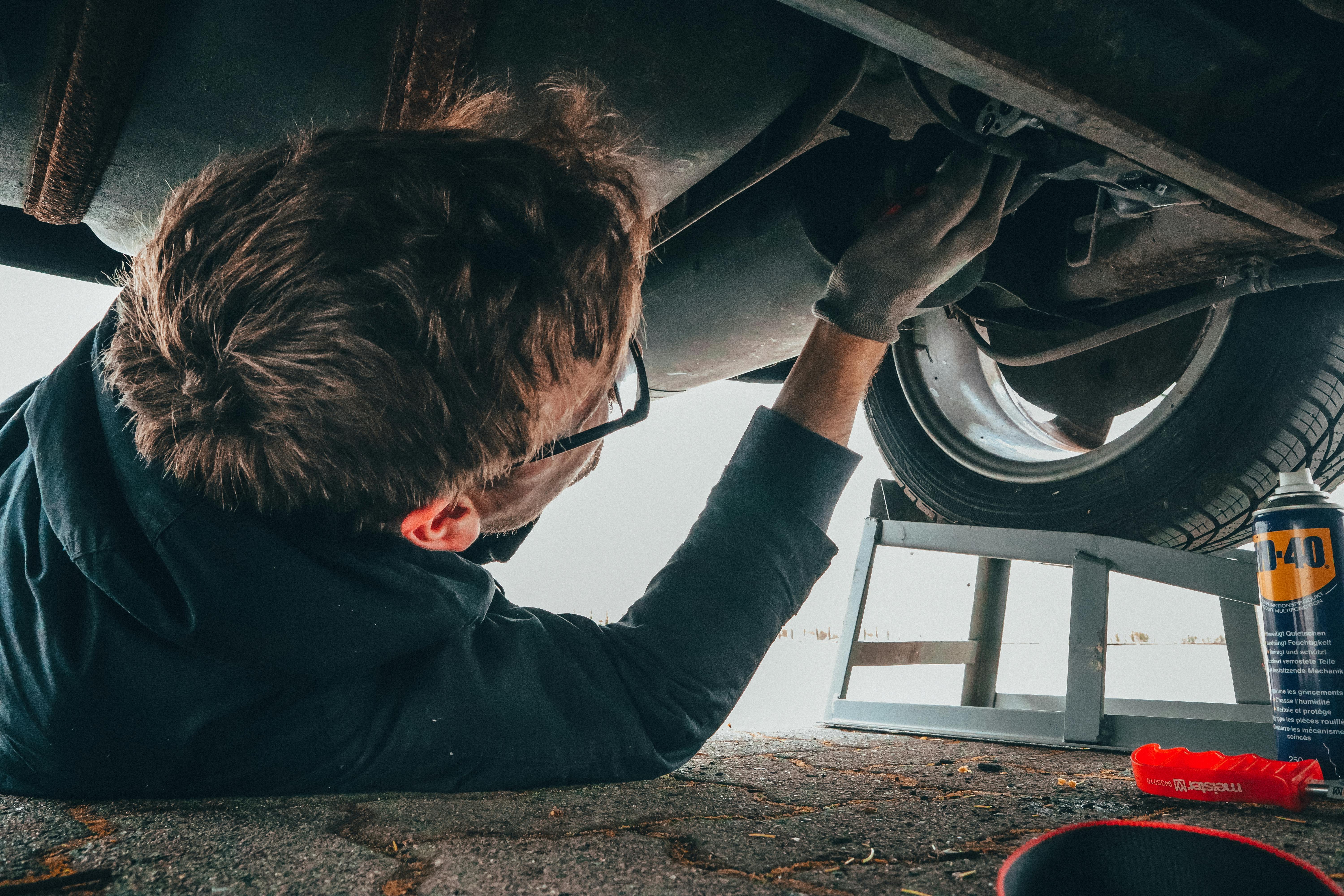
A proper transmission service is more thorough than simply topping off fluid:
- Checking fluid level and condition — assessing both quantity and quality.
- Inspecting for leaks — identifying any source of fluid loss.
- Performing the right service — a fluid change or flush based on the vehicle’s needs.
- Road testing — confirming smooth operation afterward through professional mechanical inspection.
The Difference Between a Fluid Change and a Flush
Not all transmission service is the same, and understanding the options helps you make an informed decision:
- A fluid change —drains and replaces a portion of the fluid, refreshing the system.
- A fluid flush —replaces nearly all the old fluid, offering a more complete refresh.
- The right choice depends on the vehicle —mileage, condition, and manufacturer guidance all factor in.
- A professional assessment —determines which service your transmission actually needs.
How Driving Habits Affect Transmission Health
How and where you drive has a direct impact on how long your transmission lasts and how often it needs service:
- Stop-and-go traffic —constant shifting generates extra heat that ages fluid faster.
- Towing and hauling —heavy loads put significant strain on the transmission.
- Extreme temperatures —both heat and cold stress the fluid and components.
- Frequent short trips —don’t allow the transmission to reach and maintain optimal operating conditions.
Frequently Asked Questions
Q: How often should transmission fluid be serviced?
A: Intervals vary by vehicle and driving conditions, but many manufacturers recommend service somewhere between 30,000 and 60,000 miles. Severe conditions like towing or heavy traffic call for more frequent service. Checking your owner’s manual and having the fluid inspected periodically is the best way to stay on schedule.
Q: What happens if I never service my transmission fluid?
A: Neglected fluid eventually loses its ability to lubricate, cool, and provide hydraulic pressure. The result is often rough shifting, slipping, overheating, and eventually complete transmission failure. Since a rebuild or replacement is one of the most expensive repairs a vehicle can face, routine service is well worth the modest cost.
Q: Can old transmission fluid really cause failure?
A: Yes. Degraded fluid is one of the leading causes of avoidable transmission failure. As fluid breaks down, it can no longer protect the internal components, and wear accelerates. Fresh fluid at the right intervals is the single most effective way to extend transmission life.
The Cost of Waiting Too Long
Delaying transmission service is one of those decisions that looks like saving money but rarely is. Understanding the real math helps put it in perspective:
- A fluid service is affordable —it’s a routine maintenance cost that fits most budgets.
- A rebuild is expensive —internal repairs can cost thousands of dollars.
- A replacement is worse —a full transmission replacement can approach the value of the vehicle.
- Prevention wins every time —the modest cost of service protects against the largest repair bills.
Protect Your Transmission Before It’s Too Late
The transmission is one of the few systems where a small, timely service prevents a massive repair. If you’ve noticed any of these warning signs, or it’s simply been too long since your last service, give us a call at 708-687-9955. At Vehicle Masters, we’ve served Oak Forest and the South Suburbs for over 30 years, and our team provides honest transmission diagnostics and auto maintenance that keeps your vehicle shifting smoothly for years to come. Quality service, competitive pricing, customer satisfaction — we’re highly recommended.