
That high-pitched squeal when you press the brake pedal is one of the most common — and most misunderstood — sounds a vehicle makes. Some drivers panic at the first chirp, while others tune it out for months. Neither response is quite right. The truth about brake squealing is that the sound can mean anything from completely harmless to genuinely urgent, and knowing the difference protects both your safety and your wallet. For drivers in Oak Forest and across the South Suburbs, learning to read these sounds is one of the most practical skills you can pick up.
Brakes are designed to communicate. Some of that communication is even built in on purpose. The key is understanding what each sound is trying to tell you.
Why Brakes Squeal in the First Place
Brake noise comes from vibration — the rapid contact between brake components creating sound waves. Several factors cause it:
- Wear indicators — most brake pads include a small metal tab that intentionally squeals when the pads wear thin, signaling it’s time for service.
- Glazed pads or rotors — excessive heat can harden the surface of pads and rotors, creating a squeal during braking.
- Dust and debris — small particles caught between the pad and rotor can cause temporary noise.
- Moisture — a light surface layer of rust forms overnight or after rain, often causing a brief squeal that clears after a few stops.
- Vibration between components — worn hardware or missing anti-rattle clips let parts vibrate against each other.
The Sounds That Are Usually Harmless
Not every squeal signals trouble. These are typically nothing to worry about:
- Morning squeal that fades — surface rust from overnight moisture causes a brief noise that disappears within the first few stops.
- Noise after washing — water on the brakes can cause temporary squealing until they dry out.
- Occasional noise with certain pads — some high-performance or ceramic pads produce more noise by nature, without any actual problem.
- Brief noise in cold weather — components can be slightly noisier until they warm up to operating temperature.
The Sounds That Signal a Real Problem
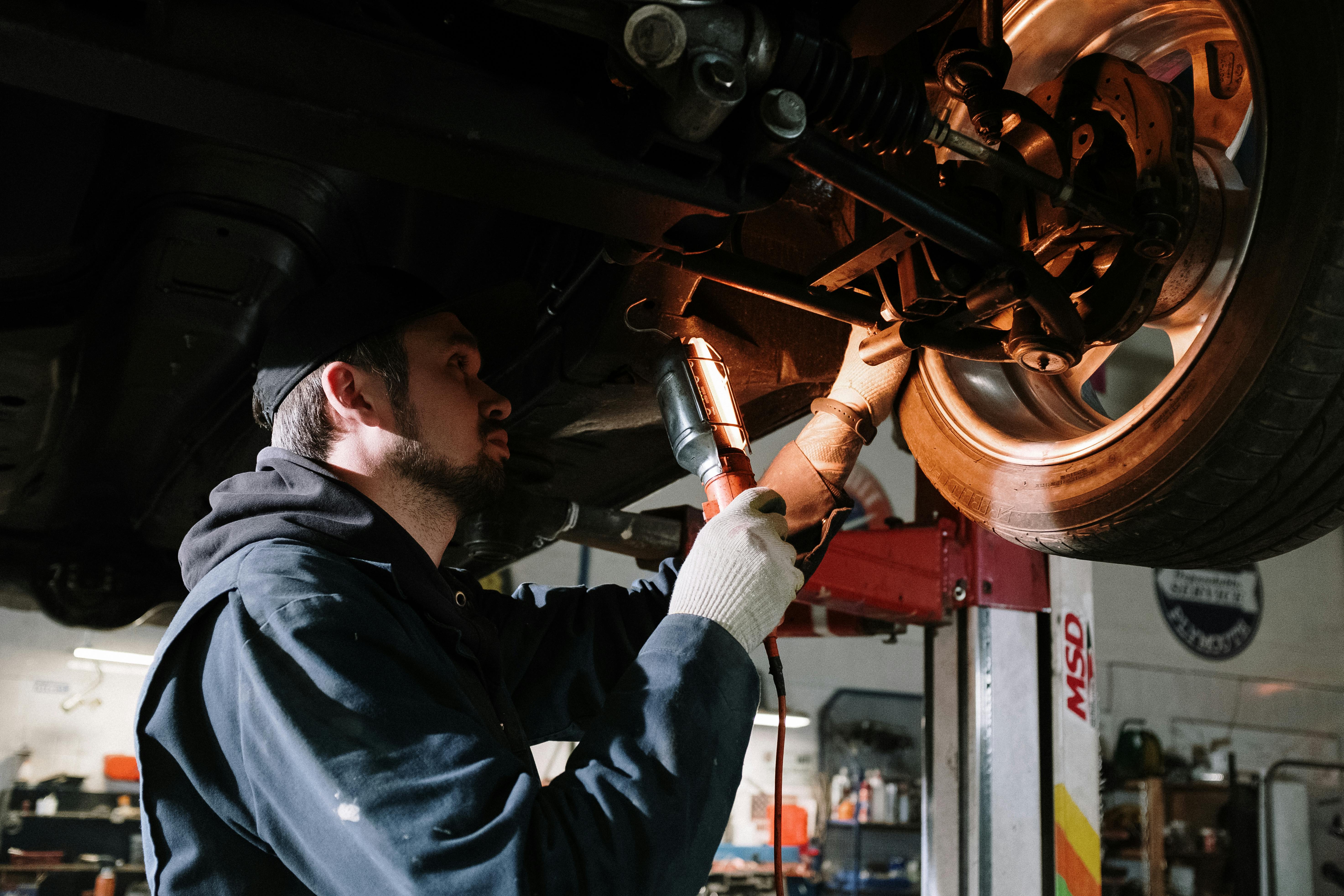
Other sounds are your brakes telling you they need attention soon:
- Persistent squealing — a consistent squeal on every stop often means the wear indicators are making contact, and the pads need replacement. Timely brake serviceprevents further damage.
- Squealing that becomes grinding — when a squeal turns into a metallic grind, the pads are likely gone, and metal is contacting the rotor. This causes rapid, expensive damage.
- Noise paired with reduced braking — squealing combined with a softer pedal or longer stopping distance is a serious warning.
- Squealing with vibration — noise accompanied by a pulsing pedal can indicate warped rotors that need attention.
Why You Shouldn’t Ignore Persistent Squealing
Treating a genuine warning sound as background noise is a costly mistake:
- Worn pads left in place destroy the rotors, tripling the repair cost
- Damaged rotors can affect braking performance and safety
- A small, inexpensive pad replacement becomes a major brake job
- Compromised braking increases stopping distance when you need it most
How Different Pad Types Affect Brake Noise
The type of brake pads on your vehicle plays a real role in how much noise you hear. Understanding the trade-offs helps set the right expectations:
- Ceramic pads —quiet and long-lasting, though they can still squeal under certain conditions.
- Semi-metallic pads —offer strong performance but tend to produce more noise, especially when cold.
- Organic pads —generally quieter but wear faster than other types.
- Low-quality pads —budget pads often squeal more and wear unevenly, creating noise sooner.
Simple Habits That Reduce Brake Noise
While some brake noise is unavoidable, a few habits help keep your brakes quieter and healthier for longer:
- Avoid riding the brakes —resting your foot on the pedal generates heat that glazes pads and rotors.
- Brake smoothly —gradual braking reduces heat buildup and uneven wear.
- Address noise early —catching a squeal promptly prevents it from becoming a grind.
- Keep up with inspections —routine checks catch wear before it turns into noise or damage.
Frequently Asked Questions
Q: Is it safe to drive if my brakes squeal?
A: A brief squeal from surface rust or moisture is usually harmless, and it often clears within a few stops. But a persistent squeal on every stop means the pads are likely worn and need inspection soon. If the squeal turns into a grind, stop driving and get it checked immediately, since metal-on-metal contact damages the rotors quickly.
Q: How long do brake pads usually last?
A: Brake pad life varies widely based on driving style, conditions, and pad type — anywhere from 25,000 to 70,000 miles is common. Stop-and-go city driving wears pads faster than highway driving. The wear indicators built into most pads are designed to squeal when replacement time approaches, giving you fair warning.
Q: Can I just replace the pads and ignore the noise?
A: Only if an inspection confirms the pads are the sole issue. Sometimes noise comes from glazed rotors, missing hardware, or a caliper problem. Replacing pads without addressing the real cause often means the noise returns quickly, which is why a full inspection is the smarter approach.
As NHTSA’s vehicle maintenance guidance emphasizes, the braking system is one of the most safety-critical parts of any vehicle, and addressing wear promptly is essential. Consumer Reports’ braking research similarly notes that catching pad wear early is far cheaper than the rotor and caliper damage that follows neglect.
How Professionals Diagnose Brake Noise
Pinpointing the cause of a squeal takes more than a guess. A proper inspection involves:
- Measuring pad thickness — determining exactly how much life remains on the pads.
- Inspecting rotor condition — checking for warping, grooving, or glazing.
- Checking hardware — confirming anti-rattle clips and mounting hardware are intact.
- Test driving — reproducing the noise under real conditions to confirm the source before any auto repairis recommended.
Keeping Your Brakes Quiet and Safe
A squeal isn’t always an emergency, but it’s always worth understanding. If your brakes have started making noise you can’t explain — or if a familiar sound has changed — give us a call at 708-687-9955. At Vehicle Masters, we’ve served Oak Forest and the South Suburbs for over 30 years, and our team inspects the entire braking system to find the real source before recommending anything. Whether it’s harmless surface rust or worn pads that need replacing, we’ll give you a straight answer and honest brake repair. Quality service, competitive pricing, customer satisfaction — we’re highly recommended.