
Every season asks something different of your vehicle. Winter tests the battery and tires, spring reveals the damage hidden under months of salt and slush, summer pushes the cooling system to its limit, and fall is the last real chance to get ready before the cold returns. Drivers who treat maintenance as a once-a-year chore usually learn this the hard way, often on the shoulder of a busy road. This seasonal vehicle maintenance guide breaks the year into simple, practical steps so you always know what your car needs and when it needs it. For drivers in Oak Forest and across the South Suburbs, where the weather swings from bitter cold to humid heat, a season-by-season approach is the most reliable way to keep a vehicle dependable.
After more than 30 years of working on vehicles through every kind of weather, we see the same pattern again and again: most breakdowns start as small, detectable problems weeks before they leave someone stranded. A seasonal routine catches them while they are still simple and affordable to fix.
Why Seasonal Maintenance Matters
Temperature swings, road salt, and potholes affect nearly every system in your car. A seasonal approach works because it matches your maintenance to the stress your vehicle is about to face:
- It prevents weather-related breakdowns since most cold-start failures and summer overheating episodes begin as small issues that a quick inspection would have caught.
- It protects your most expensive systems including the engine, transmission, and cooling system, which suffer the most when fluids and components are neglected.
- It keeps you safer on the road because tires, brakes, wipers, and lights all perform differently as road conditions change through the year.
- It saves money over time since a planned inspection costs far less than a tow, an emergency repair, and the secondary damage a failure usually causes.
- It makes maintenance easier to remember by tying each task to a season instead of trying to track a dozen separate mileage intervals.
Winter: Getting Your Vehicle Ready for the Cold

Cold weather is the hardest season on most vehicles, and preparation makes the biggest difference here. Focus on these areas before the first hard freeze:
- Test the battery first. Cold temperatures sharply reduce a battery’s starting power and expose any hidden weakness. A proper load test, followed by timely battery replacement servicewhen needed, prevents the classic frozen-morning no-start.
- Check antifreeze strength and level. Diluted or old coolant can freeze in extreme cold, and frozen coolant can crack engine components and the radiator.
- Inspect tire tread and pressure. Tires lose pressure as temperatures drop, and worn tread loses grip quickly on snow, slush, and black ice.
- Replace wiper blades and switch to winter washer fluid. Visibility drops fast in snow and road spray, and summer fluid can freeze in the reservoir and lines.
- Confirm the heater and defroster work. A working defroster is a safety feature, not just a comfort, because a fogged or frosted windshield hides hazards ahead.
- Have the brakes checked. Stopping distances grow on icy roads, which leaves no margin for worn pads, warped rotors, or old brake fluid.
Driving Through Winter Without Surprises
Preparation gets you started, but a few habits through the coldest months keep small problems from growing into big ones:
- Keep the fuel tank at least half full to reduce condensation in the tank and give yourself a reserve if traffic or weather leaves you stuck.
- Rinse off road salt regularly, especially from the underbody, where salt quietly eats away at brake lines, exhaust pipes, and the frame.
- Pay attention to warning lights, since cold weather often exposes battery, charging, and tire pressure problems that show up on the dashboard first.
- Listen for new noises, because frozen or corroded parts often announce themselves with squeals, scrapes, or rattles before they fail.
- Keep an emergency kit in the car with a blanket, flashlight, ice scraper, jumper cables, gloves, and a phone charger for unexpected delays.
Spring: Repairing What Winter Left Behind
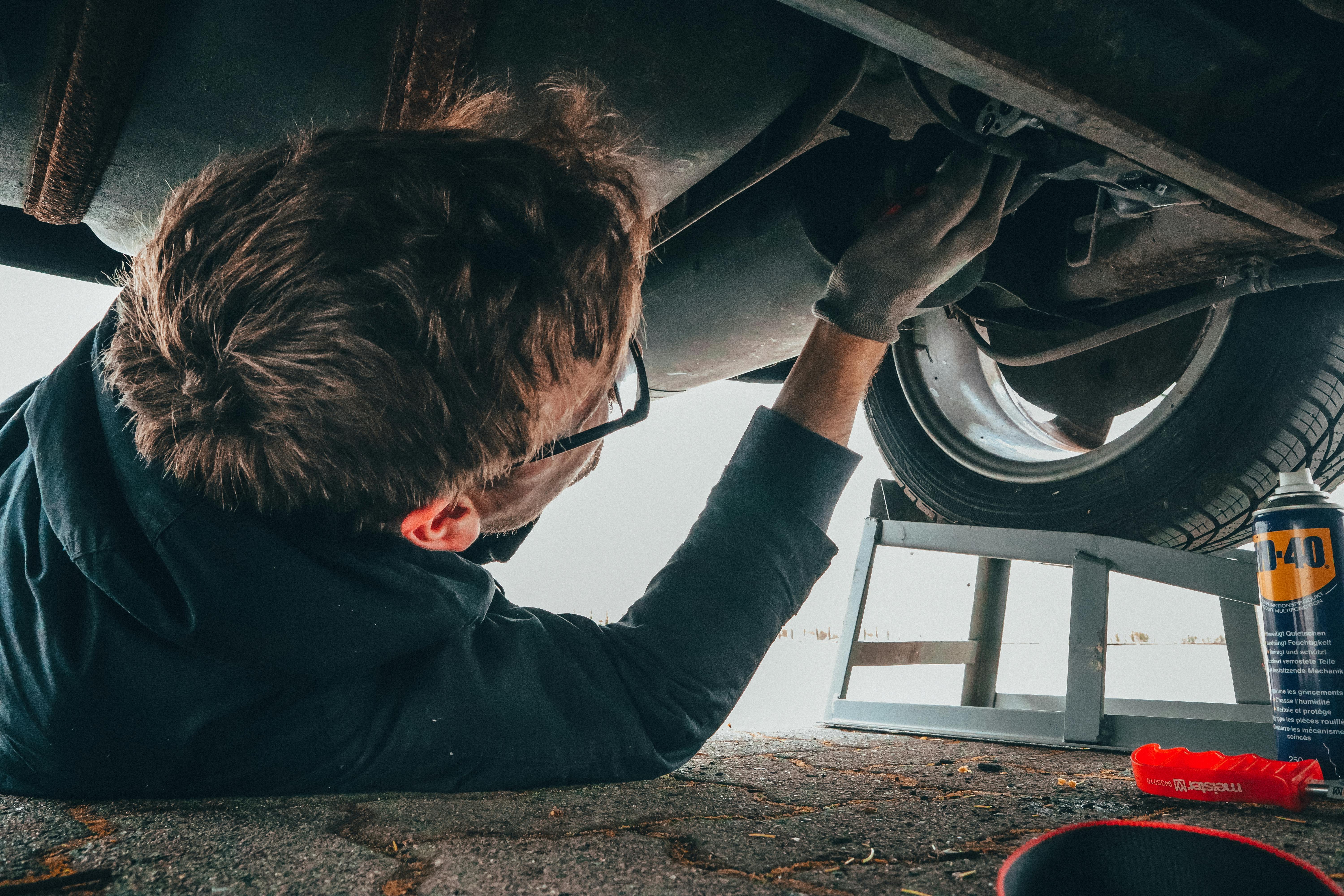
Spring is recovery season. Months of salt, slush, and potholes leave damage that often stays hidden until someone takes a closer look underneath:
- Schedule an underbody inspection to check for corrosion on brake lines, fuel lines, and mounting hardware that took the brunt of road salt.
- Have the exhaust system checked. Salt and moisture rust pipes and mufflers from the inside out. Aexhaust repair service fixes leaks before they become loud, or dangerous.
- Look at suspension and alignment. Pothole impacts often cause pulling, uneven tire wear, and a rougher ride that timely car suspension repair servicecan correct.
- Swap or evaluate your tires. Remove dedicated winter tires once temperatures stay mild, and check the tread on all-season tires that worked hard all winter.
- Replace worn wiper blades, since ice and salt wear them down quickly, leaving streaks just as the spring rain arrives.
- Refresh the oil and filters if your last service happened before the cold weather started, giving the engine a clean start to the warmer months.
Summer: Keeping Your Cool in the Heat
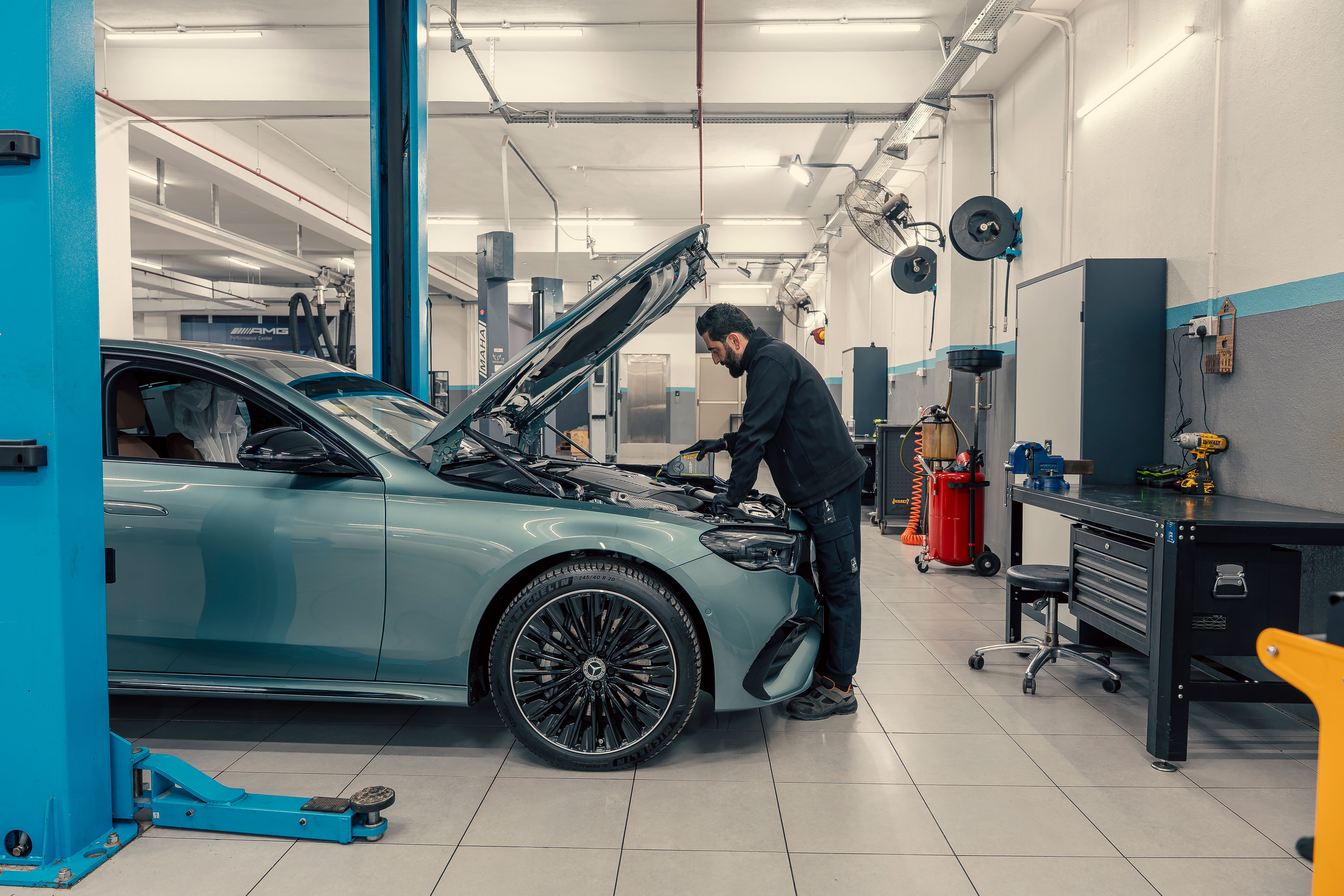
Summer heat and long road trips put serious demand on a vehicle, especially on the systems that manage temperature:
- Make the cooling system the top priority. The radiator, water pump, thermostat, and hoses all work hardest in hot weather, and a pressure test with reliable cooling system repair servicecatches leaks before they cause overheating.
- Check the air conditioning early. Weak cooling usually points to a refrigerant leak or a struggling compressor, and both are easier to fix before the first heat wave.
- Test the battery again. Heat does more internal damage to batteries than cold, even though the failure often shows up the following winter.
- Monitor tire pressure closely, because heat raises pressure, and both overinflated and underinflated tires wear unevenly and handle poorly.
- Inspect belts and hoses for cracks, glazing, and soft spots, since heat accelerates rubber breakdown and a snapped belt can stop a vehicle instantly.
- Check the brakes before road trips, since heavy loads, long descents, and sustained highway speeds put extra stress on pads and rotors.
Fall: Your Last Chance Before Winter

Fall is the ideal time for a thorough inspection, because it gives you time to handle problems before the cold makes them urgent:
- Get a full brake inspection covering pads, rotors, calipers, and fluid, and lean on dependableauto brake repair now rather than in the middle of a snowstorm.
- Test the heater and defroster before the first cold morning, so you are not discovering a problem when you need them most.
- Check every exterior light, since shorter days mean more driving in the dark, and a burned-out bulb makes you harder to see.
- Test coolant strength to confirm the antifreeze mix will protect the engine through the coldest nights of the year.
- Evaluate your tires for tread depth and sidewall condition, and book a winter tire change if you use them.
- Load test the battery one more time, because a battery that barely survived the summer rarely survives the first hard freeze.
Year-Round Maintenance That Never Takes a Season Off
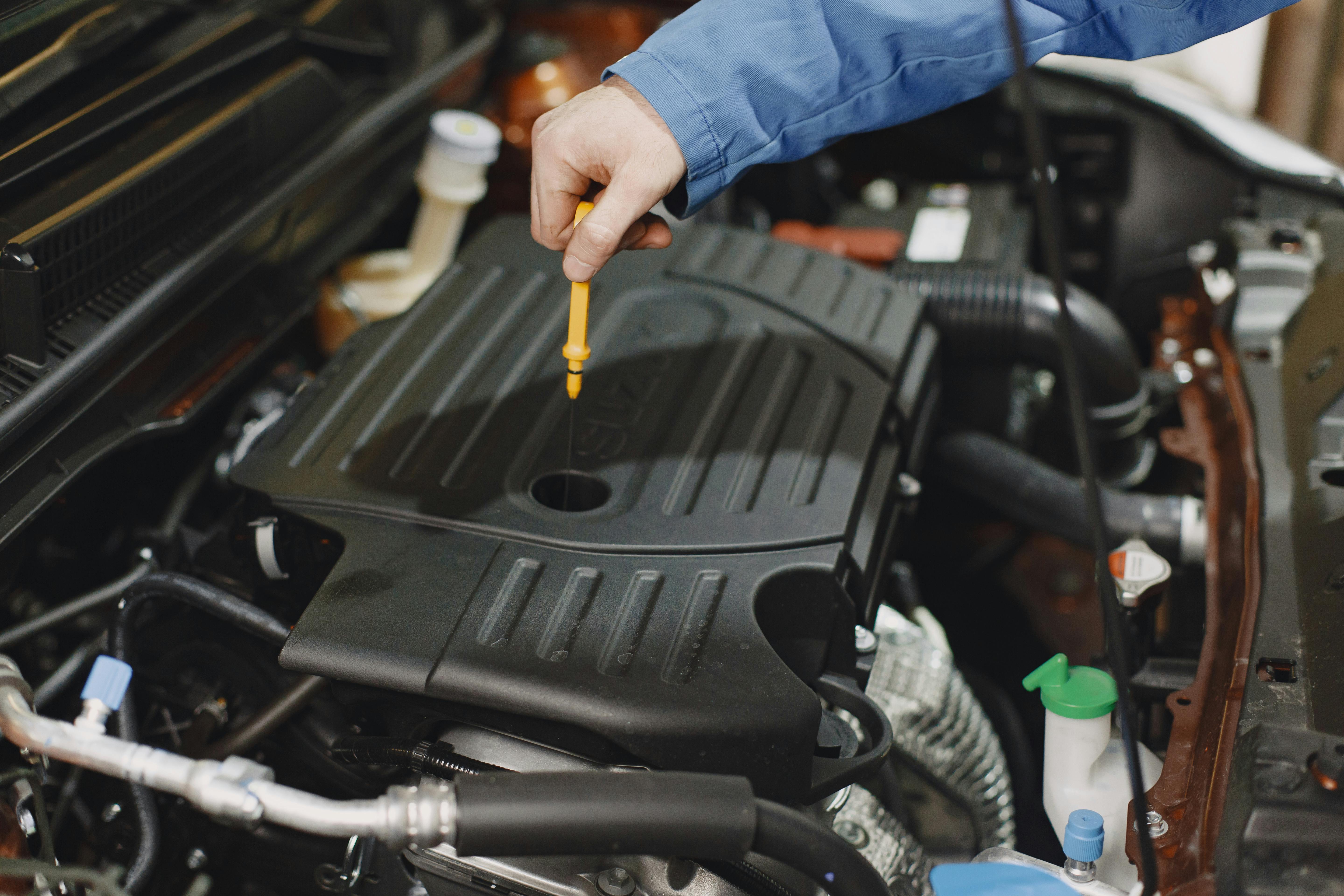
Some maintenance follows mileage and time rather than the calendar. These items deserve attention no matter what the weather is doing:
- Oil changes at the interval in your owner’s manual, since clean oil protects the engine in every season.
- Tire rotation roughly every 5,000 to 7,500 miles to keep wear even and get the most life out of each set.
- Air and cabin filters, which affect engine performance, fuel economy, and the quality of the air you breathe inside the car.
- Fluid checks for brake fluid, transmission fluid, power steering fluid, and coolant at every service visit.
- Ignition and tune-up items like spark plugs and coils, replaced on schedule through a thorough auto tune up service.
- Prompt attention to warning lights, because a check engine, temperature, or brake warning should never wait for the next season.
According to the U.S. Department of Energy, basic maintenance such as correct tire pressure and clean air filters helps a vehicle run efficiently in every season. NHTSA’s tire safety guidance stresses that pressure and tread checks matter more as temperatures change, and AAA’s breakdown research shows that temperature extremes drive a sharp rise in roadside calls for dead batteries, flat tires, and engine trouble.
A Simple Seasonal Calendar
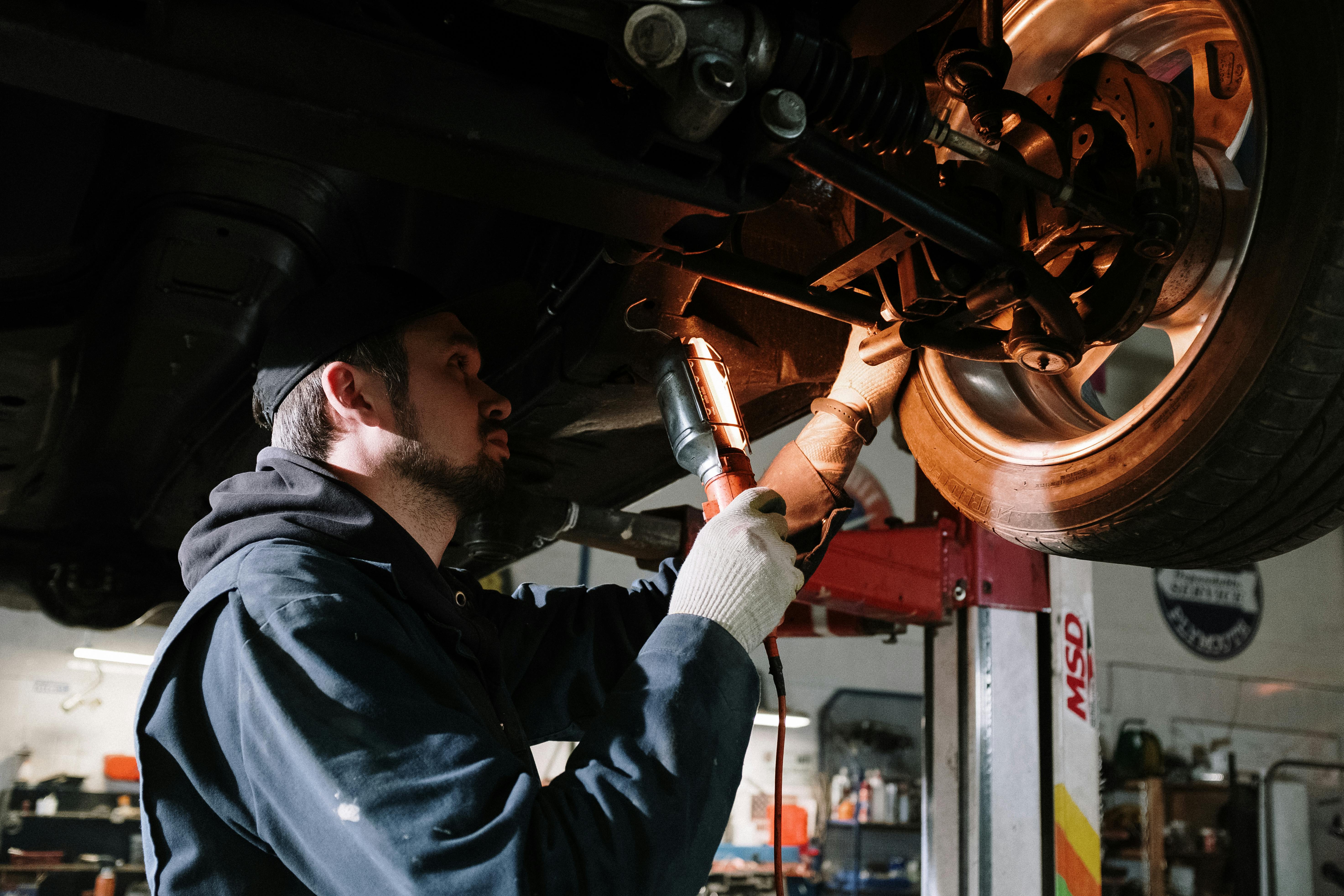
Use this seasonal vehicle maintenance guide as a simple calendar. Here is what to focus on in each stretch of the year:
- December to February: watch the battery, tires, and wipers closely, rinse off salt often, and keep your emergency kit stocked.
- March to May: schedule an underbody inspection, an alignment check, and an oil change to recover from winter wear.
- June to August: focus on the cooling system, air conditioning, tire pressure, and pre-trip brake checks.
- September to November: book a full fall inspection covering brakes, heat, lights, coolant, and battery health.
Signs Your Vehicle Needs Attention Between Seasons
Seasonal checks build a strong foundation, but some problems will not wait for the calendar. Schedule an inspection right away if you notice:
- A temperature gauge creeping higher than usual, which can point to low coolant, a sticking thermostat, or a failing fan.
- Slow cranking or dimming lights, both classic signs of a weak battery or a charging system problem.
- Squealing, grinding, or clunking noises from the brakes, belts, or suspension.
- A pull to one side while driving or braking, which can signal alignment, tire, or brake trouble.
- Fluid spots under the car, since the color often reveals whether it is oil, coolant, transmission fluid, or brake fluid.
- Any new dashboard warning light, even if the vehicle seems to drive normally.
How a Professional Seasonal Inspection Works
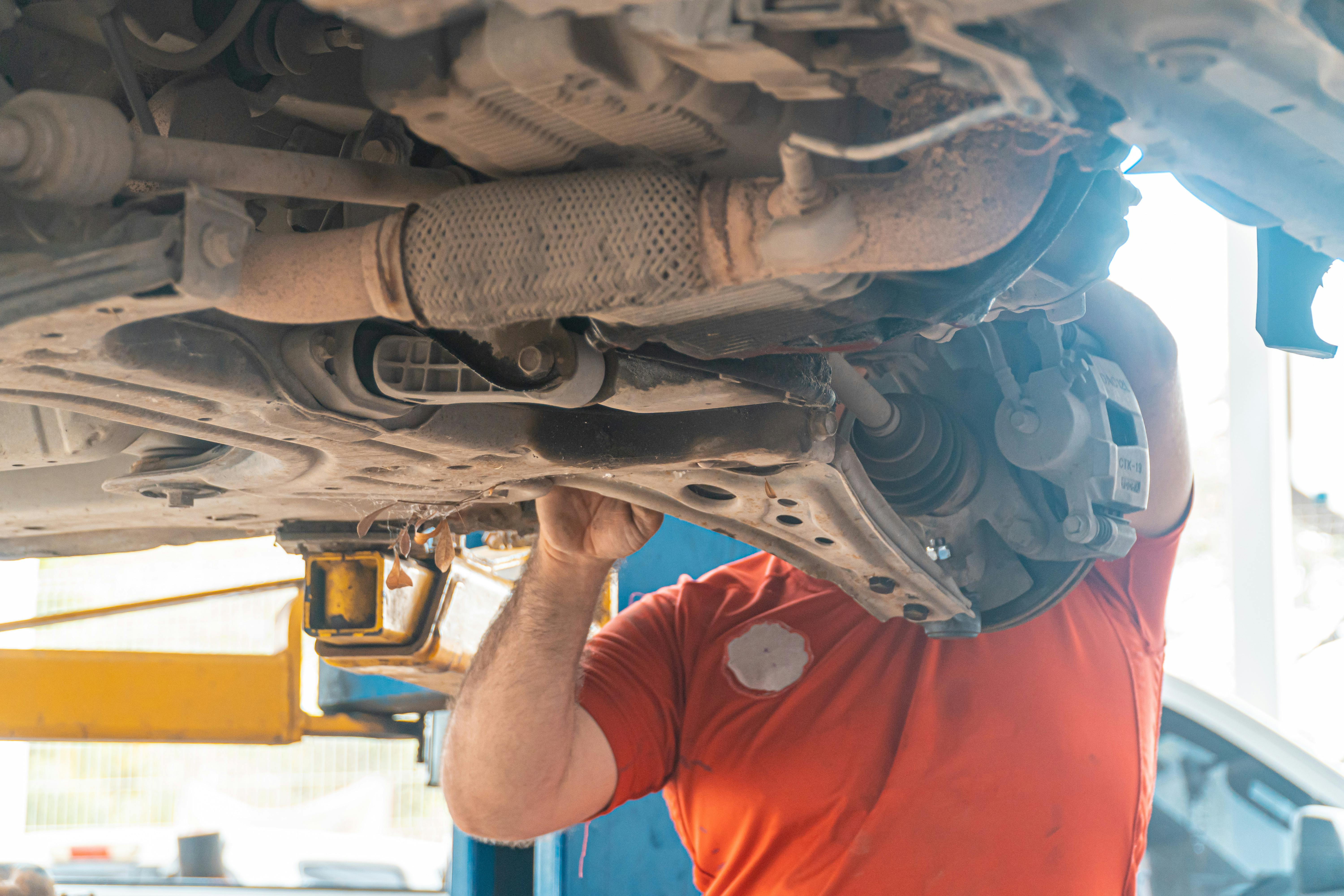
A good seasonal inspection is more thorough than a quick look under the hood. Here is what it should include:
- A hands-on check of fluids, belts, and hoses to spot leaks, cracks, and wear before they cause a failure.
- Battery and charging system testing using a load tester rather than a simple voltage reading.
- Brake and tire measurements so you know exactly how much life remains on pads, rotors, and tread.
- An underbody and suspension check on a lift, where corrosion, leaks, and worn components are easiest to see.
- Clear, prioritized findings that separate what needs attention now from what can safely wait until the next visit.
Frequently Asked Questions
Q: How often should I have my vehicle inspected?
At least twice a year is a smart baseline, ideally in the fall before winter and again in the spring once the salt is off the roads. Many drivers add a quick summer cooling system check before long trips. Pairing inspections with your regular oil changes is an easy way to stay on schedule without extra appointments.
Q: Is winter or summer harder on a car?
Both are tough in different ways. Winter is harder on batteries, tires, and anything exposed to road salt, while summer heat stresses the cooling system, air conditioning, and belts. Heat also causes internal battery damage that often shows up as a failure the following winter, which is why both seasons deserve attention.
Q: Do I really need winter tires?
It depends on how and where you drive. All-season tires work for many drivers, but dedicated winter tires grip far better on snow and ice because their rubber stays flexible in the cold. If you drive early in the morning, travel on untreated roads, or simply want more confidence, winter tires are a worthwhile safety investment.
Q: Can I handle seasonal maintenance myself?
Some tasks, such as checking tire pressure, topping off washer fluid, and replacing wiper blades, are easy to do at home. Others, including battery load testing, brake measurements, cooling system pressure tests, and underbody inspections, need professional equipment and experience. A combination of simple home checks and professional inspections works best.
Q: What is the single most important seasonal check?
If you only do one thing, test the battery before winter and inspect the cooling system before summer. These two checks prevent the most common weather-related breakdowns, and both take very little time during a routine visit.
Stay Ahead of Every Season With Vehicle Masters
Every season brings its own challenges, and we would love to help you stay ahead of all of them. At Vehicle Masters, we have served Oak Forest and the South Suburbs for over 30 years, and our team builds every seasonal inspection around the conditions your vehicle is about to face. Whether you need winter prep, a spring recovery check, or a summer cooling system service, you can count on honest advice and dependable car maintenance service. Give us a call at 708-687-9955 to schedule your seasonal inspection. Quality service, competitive pricing, customer satisfaction, we are highly recommended.