
If your car smells like gasoline after starting it, while driving, or after parking in the driveway, do not dismiss it as a normal odor. A gas smell can come from a loose fuel cap, a leaking fuel line, an engine running too rich, or a problem with the vehicle’s evaporative emissions system. The causes of a car smelling like gas vary, so identifying the source matters before replacing any parts.
Some problems are relatively simple to correct, while others can create a fire hazard. If the smell is strong, you see dripping fuel, or you suspect a fuel leak, turn off the engine, move away from the vehicle, and do not restart it. Avoid flames, smoking, and anything that could create a spark. Arrange professional assistance instead.
For drivers in Oak Forest and the surrounding South Suburbs, understanding what the smell might mean can help you recognize the warning signs and know when to seek an inspection.
What Are the Common Causes of a Car Smelling Like Gas?
- A loose or damaged gas cap: A cap that does not seal properly canallow fuel vapors to escape. A worn seal or damaged cap can cause a similar problem. This may be more noticeable after refueling.
- A leaking fuel line or connection: Fuel lines carry gasoline between the tank, pump, and engine. Corrosion, damaged hoses, or loose connections can allow fuel to escape. Visible wet spots or dripping gasoline require immediate attention.
- A faulty fuel injector: An injector that leaks or delivers too much fuel can leave excess gasoline in the engine or allow fuel to escape externally. Rough idling, difficult starting, and poor fuel economy may accompany the odor.
- An evaporative emissions system problem: The EVAP system captures fuel vapors and routes them back into the engine for controlled burning. A damaged vapor hose, faulty purge valve, or leaking connection can let gasoline vapors escape.
- An engine running too rich: When the engine receives more fuel than it can burn efficiently, unburned fuel may contribute to a gasoline smell, especially near the exhaust. Possible causes include sensor problems, injector issues, or fuel pressure irregularities.
- A leaking fuel tank or pump seal: Gasoline escaping near the tank or fuel pump can produce a noticeable odor around the rear of the vehicle. This requires prompt professional inspection.
These are common causes of a car smelling like gas, but the odor alone cannot confirm which component is responsible. A mechanic needs to narrow down the possibilities through inspection and testing.
Why Does My Car Smell Like Gas Only in Certain Situations?
- After filling the tank: A loose gas cap, spilled gasoline, a damaged filler neck, or a problem with the vapor recovery system may explain the smell. If the odor persists after any spilled fuel has been cleaned up safely, have the vehicle inspected.
- When starting the engine: A cold engine normally uses a richer fuel mixture for a short period. However, a strong or persistent gasoline odor can indicate an overly rich mixture, a leaking injector, or a fuel system leak.
- While driving: Fuel vapors or exhaust gases may enter the cabin through ventilation openings or other gaps. A fuel leak, faulty emissions component, or exhaust system problem could be responsible.
- After parking: Heat remaining in the engine and fuel system can increase vapor production. A properly functioning evaporative emissions systemshould capture these vapors, so a recurring strong odor deserves attention.
- When using the heater or air conditioner: The ventilation system may draw outside odors into the cabin, particularly if the source is near the engine compartment. The smell’s timing can help a mechanic narrow down the source, but it does not identify a failed part by itself.
The circumstances surrounding the smell provide useful diagnostic clues. Write down when it occurs, how long it lasts, and whether you notice other changes in how the vehicle runs.

Can a Gas Smell Mean an Exhaust or Emissions Problem?
Yes. Not every gasoline-like odor comes from liquid fuel escaping from a hose or tank.
- Emissions system faults: A damaged vapor hose, leaking connection, or malfunctioning purge valve can allow fuel vapors to escape. Anemissions repair may be necessary if testing confirms a problem with the system.
- Unburned fuel in the exhaust: An ignition misfire, faulty sensor, or fuel delivery issue can prevent the engine from burning its fuel mixture properly. The exhaust may then smell strongly of raw gasoline.
- Exhaust leaks: A damaged exhaust pipe or leaking connection can allow exhaust gases to escape before they reach the tailpipe. Depending on the underlying engine problem, those gases may carry an unburned-fuel odor. An inspection can determine whether exhaust repairis needed.
An exhaust leak is particularly concerning if fumes enter the cabin. Exhaust can contain carbon monoxide, which has no smell. If you suspect exhaust fumes are entering the vehicle, stop driving, exit to fresh air, and arrange professional assistance.

The U.S. Environmental Protection Agency explains how gasoline vapor control systems capture and store fuel vapors for later use by the engine. You can learn more in its technical overview of evaporative vehicle emissions.
What Should You Check If Your Car Smells Like Gas?
There are a few observations you can make safely without dismantling anything or running the engine to investigate.
- Check the gas cap: Once you are in a safe location and the engine is off, check whether the cap is present and appears properly seated. If the seal looks damaged, mention it during the inspection.
- Recall your last refueling stop: Note whether the smell started immediately after filling up or if fuel spilled around the filler opening. Do not touch or attempt to clean up a significant gasoline spill yourself.
- Look for warning lights: A check engine light may point toward an emissions, sensor, or engine performance issue. Record any warning messages, but do not assume a diagnostic code identifies the exact faulty part.
- Notice changes in performance: Rough idling, hard starting, hesitation, or unexpectedly poor fuel economy can help distinguish an engine fuel mixture problem from a vapor leak.
- Observe where the smell is strongest from a safe distance: An odor near the rear of the vehicle may help direct attention toward the tank or filler area, while an odor near the front may prompt inspection of the engine compartment. Neither observation proves the location of a leak.
Do not crawl under the vehicle, open fuel lines, touch wet components, or start the engine to reproduce the smell. If you see leaking gasoline or experience a strong odor, move away and arrange assistance rather than attempting further checks.
How a Mechanic Diagnoses a Gasoline Smell
A reliable diagnosis starts with locating the source of the odor and checking the systems that could explain it. Replacing parts based on a guess can waste money and leave the original problem unresolved.
During an inspection, a mechanic may:
- Inspect fuel system components: Check accessible fuel lines, connections, injector areas, the filler neck, and the tank for signs of leakage or damage.
- Test the evaporative emissions system: Use appropriate diagnostic procedures, including a smoke test when suitable, to help locate vapor leaks in hoses and connections.
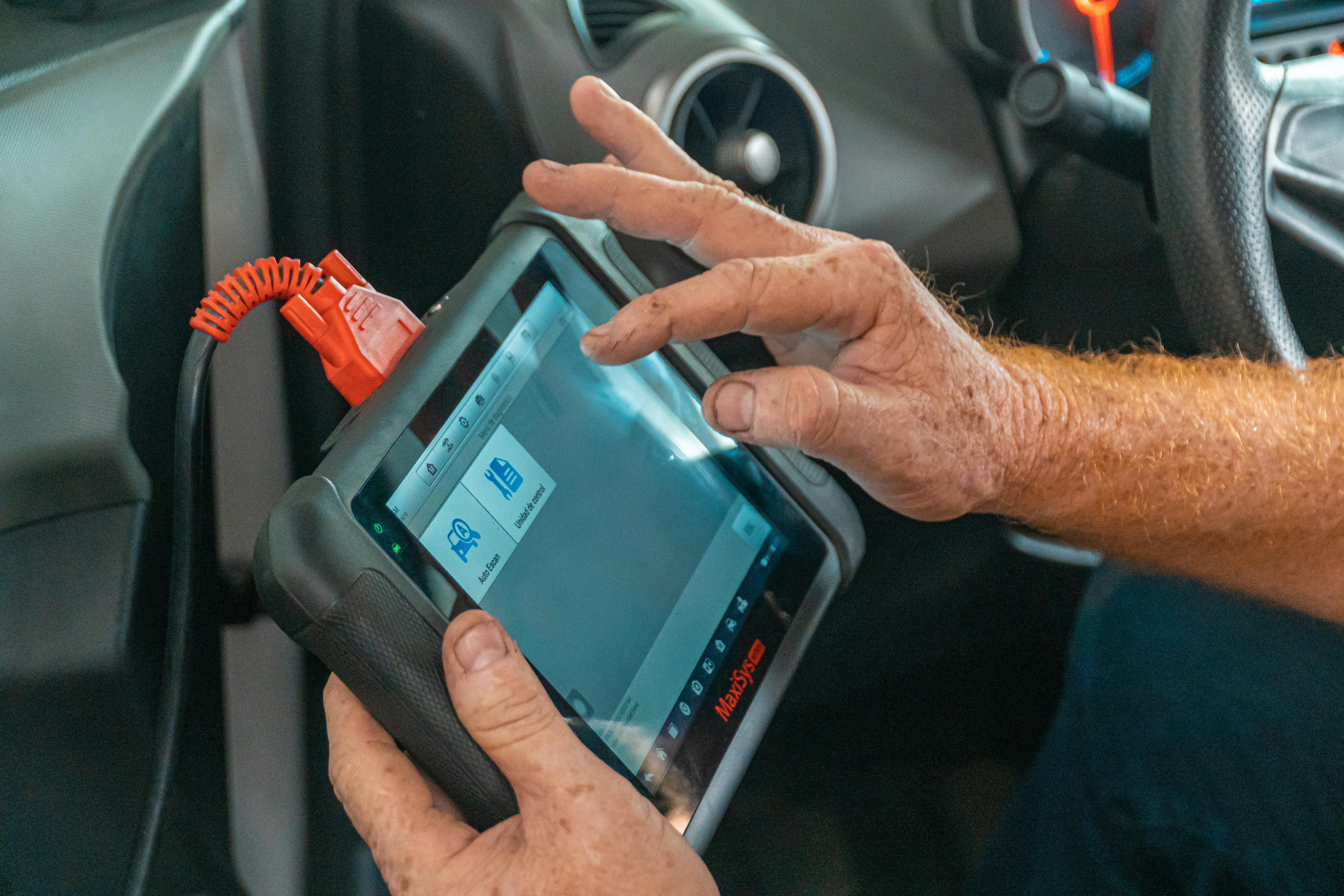
- Scan for diagnostic trouble codes: Review stored codes and relevant sensor data. These findings help guide further testing but do not automatically prove that a particular valve, sensor, or pump has failed.
- Evaluate engine performance: Check fuel trim readings, ignition performance, injector operation, and other relevant data if the engine appears to be running too rich.
- Inspect the exhaust system: Look for damaged pipes, leaking joints, and other faults that could allow exhaust gases to escape where they should not.
If testing points toward a fuel delivery problem, a fuel pump repair service may be relevant, depending on the actual fault and the vehicle’s design. A fuel odor alone does not establish that the pump needs repair or replacement.
What Happens If You Ignore a Gasoline Smell?
The consequences depend on the cause, but delaying an inspection can allow a manageable problem to become more serious.
- Fire risk: Escaping liquid gasoline or concentrated fuel vapors can ignite if they encounter an ignition source.
- Worsening engine performance: An overly rich mixture or leaking injector can contribute to rough running, poor fuel economy, and other engine problems.
- Emissions problems: A faulty vapor control system can release fuel vapors into the atmosphere and may trigger a check engine light.
- Health and comfort concerns: Fuel vapors and exhaust fumes can make the cabin unpleasant and potentially hazardous.
If the smell is strong or persistent, fuel is visibly leaking, or fumes are entering the cabin, do not continue driving to see whether the odor disappears. Arrange professional assistance. A faint odor immediately after refueling may have a less serious explanation, but it should not be ignored if it keeps returning.
Get Your Fuel or Emissions Problem Checked in Oak Forest
If your car smells like gasoline, the right repair depends on finding the source first. A loose gas cap, an evaporative emissions leak, an engine running too rich, and a damaged fuel line require different approaches. Guessing at parts can overlook the real issue.
At Vehicle Masters, we help drivers in Oak Forest and the surrounding South Suburbs investigate vehicle problems through appropriate diagnostics and repair services. Our goal is to identify what is causing the symptom before recommending the work needed to address it.
Vehicle Masters at (708) 687-9955 to discuss your vehicle’s symptoms and arrange an inspection.