
Catching an unexpected burning smell while you drive is unsettling, and for good reason. Your sense of smell is often the first warning that something is wrong, sometimes even before a warning light appears. The tricky part is that a burning odor can point to several very different problems, ranging from a minor annoyance to a genuine fire risk. Identifying the source of a burning smell while driving quickly can protect your vehicle and your safety. For drivers in Oak Forest and across the South Suburbs, knowing what each smell means is genuinely valuable knowledge.
Different burning smells have distinct characteristics, and learning to tell them apart helps you understand how urgently you need to respond. Some warrant a prompt inspection, while others mean you should stop driving immediately. Tracking down odors is part of the broader vehicle care a good shop offers.
Why Your Nose Is an Early Warning System
A burning smell often appears before other symptoms, which makes it a valuable diagnostic clue:
It can precede a warning light since some problems produce odors before triggering a dashboard alert.
It points toward specific systems because different materials produce distinct smells.
It signals heat or friction that indicates something is not working as it should.
It demands attention since a burning smell rarely resolves on its own.
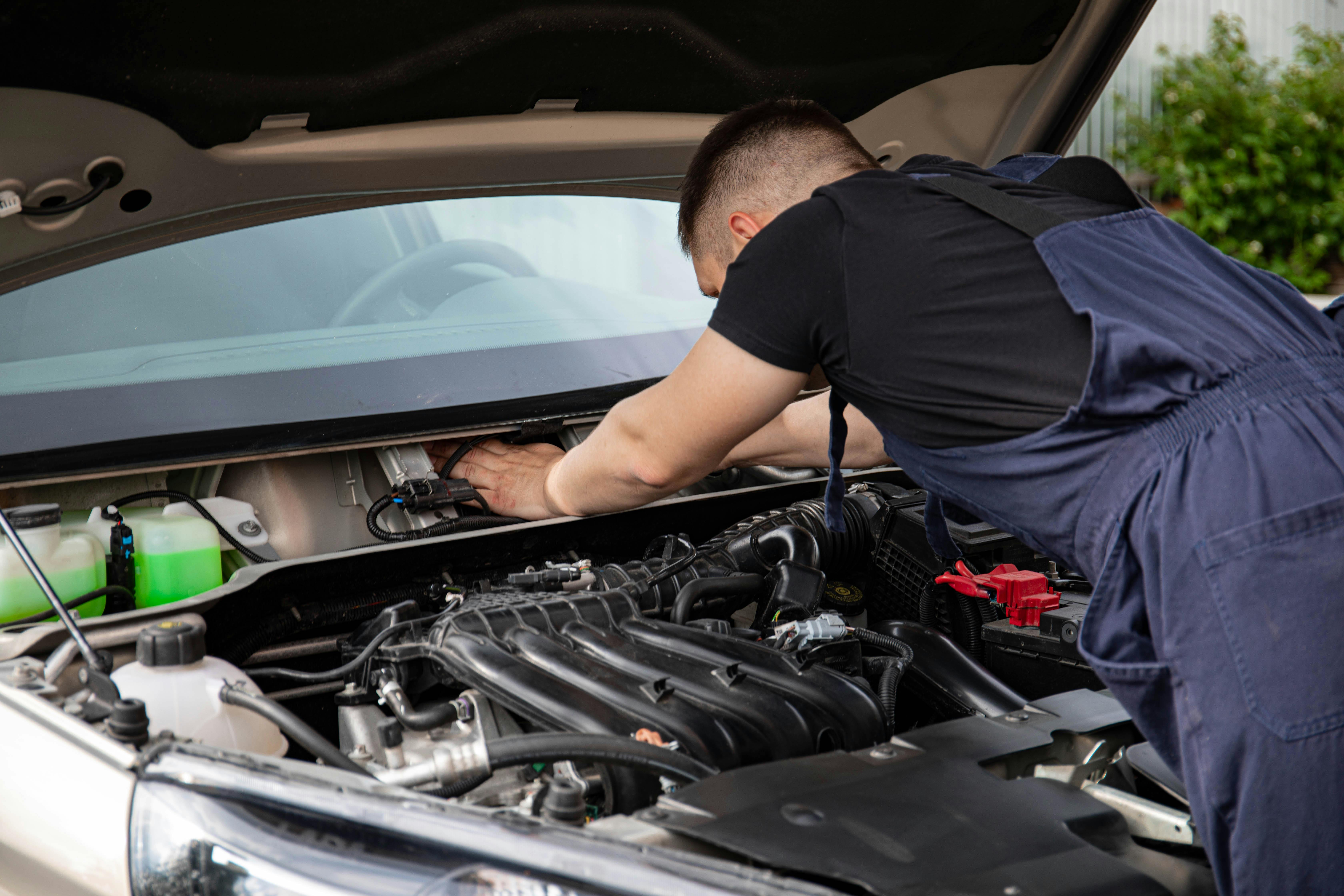
Common Burning Smells and What They Mean
Each type of burning smell tends to point toward a particular problem. Here is how to read them:
A burning oil smell often means oil is leaking onto hot engine components, which points toward a gasket or seal issue.
A sweet, burning smell can indicate leaking coolant, sometimes signaling an overheating concern.
A burning rubber smell may come from a slipping belt or a hose contacting a hot surface.
A hot, electrical smell suggests overheating wiring or an electrical short, which is a potential fire risk.
A burning carpet smell often points to overheating brakes, such as a stuck caliper or dragging brake.
A burning paper smell can indicate a clutch problem in vehicles with a manual transmission.

Which Smells Require Immediate Action
Some burning smells mean you should pull over right away, while others allow you to drive to a shop. Knowing the difference matters:
An electrical burning smell warrants stopping promptly, since it can indicate a fire risk.
A burning brake smell paired with reduced braking means you should stop and have the brakes checked.
An overheating coolant smell with a rising temperature gauge means you should pull over before damage occurs.
A persistent oil smell warrants prompt inspection, since a leak can worsen. Professional mechanical inspection identifies the source.
According to NHTSA’s guidance on vehicle safety, unusual odors can be early indicators of developing problems that deserve prompt attention. Consumer Reports’ guidance notes that a burning smell should never be ignored, since it often signals heat or friction where there should be none, and the Federal Trade Commission reminds drivers that addressing warning signs early is essential to safe, reliable operation.
Why You Should Never Ignore a Burning Smell
Regardless of the specific source, a burning smell is always worth investigating:
Electrical smells can indicate a fire hazard that demands immediate attention
Oil and coolant leaks can lead to serious engine damage if ignored
Brake odors can signal a safety problem that affects your ability to stop
A small problem today often becomes a major repair tomorrow
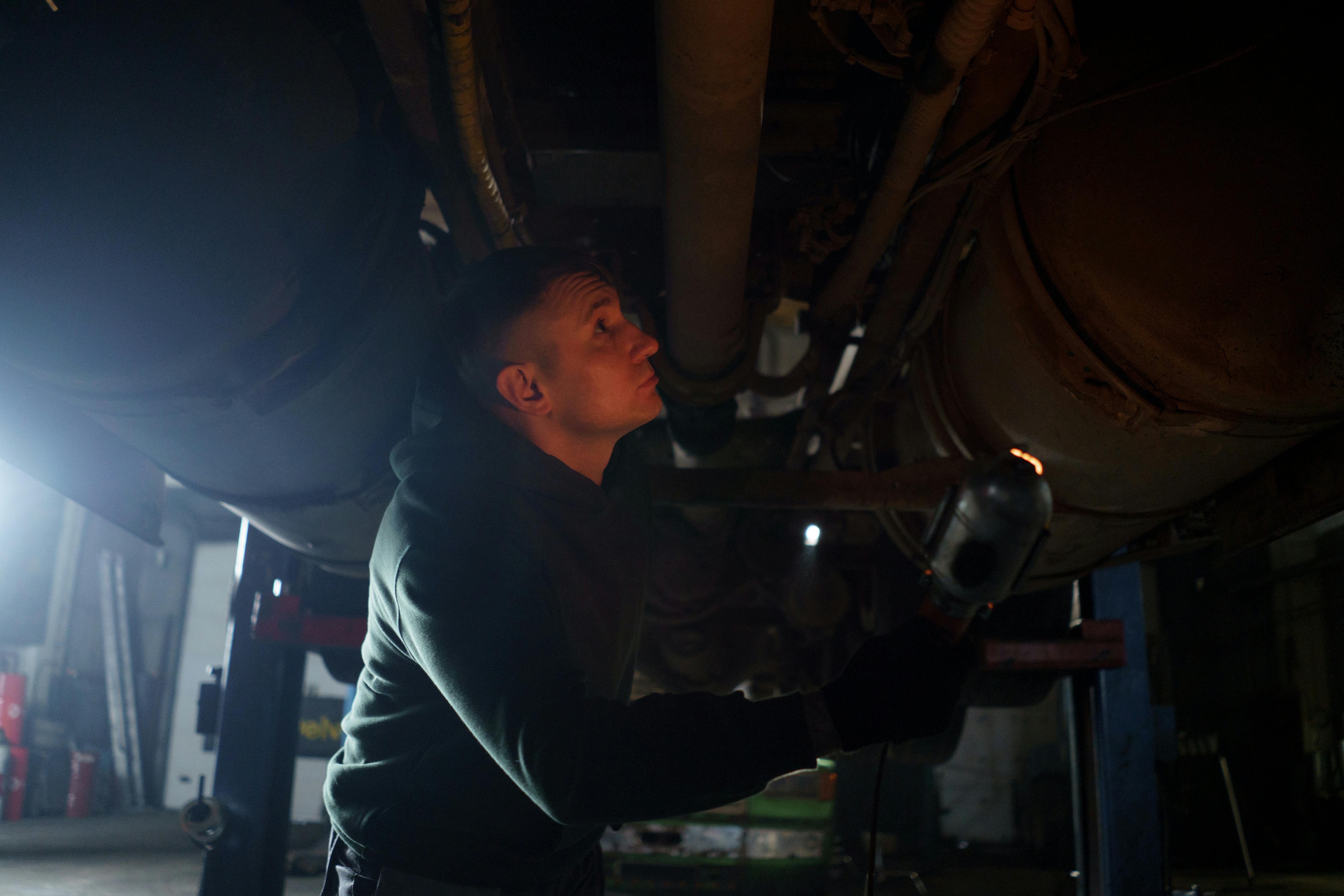
How Professionals Track Down the Source
Because so many things can produce a burning smell, systematic diagnosis is essential:
Identifying the type of smell which narrows down the possible sources.
Inspecting the related systems based on the characteristics of the odor.
Checking for leaks and damage that produce burning smells.
Confirming the cause before recommending any repair through reliable auto repair.
How to Respond Safely to a Burning Smell
Knowing how to react when you notice a burning smell protects both your safety and your vehicle:
Pull over for electrical smells since they can indicate a fire risk that demands immediate action.
Check your temperature gauge if you notice a sweet, overheating smell.
Stop if braking feels different when a burning brake smell appears.
Do not ignore a smell that fades because the underlying cause often remains.
How to Tell How Serious a Burning Smell Is
Not every burning smell carries the same urgency, and a few simple observations help you gauge how seriously to react:
Note whether it is paired with symptoms such as a rising temperature gauge or reduced braking.
Consider when it appears since a smell only during braking points to different causes than one at idle.
Watch for smoke, which raises the urgency considerably and warrants stopping.
Trust your instincts because when in doubt, pulling over and checking is always the safer choice.
Frequently Asked Questions
Q: Is a burning smell always an emergency?
Not always, but it always deserves attention. An electrical burning smell or a burning brake smell paired with reduced stopping power warrants stopping right away. Other smells, such as a mild oil odor, allow you to drive to a shop for inspection. When in doubt, it is safer to stop and have the vehicle checked than to keep driving.
Q: Why do I smell burning only when I brake?
A burning smell that appears specifically during or after braking often points to overheating brakes, which can result from a stuck caliper, a dragging brake, or heavy braking on a steep descent. If the smell is paired with reduced braking performance, you should stop and have the brakes inspected promptly, since it can indicate a safety problem.
Q: The smell went away. Do I still need it checked?
Yes. A burning smell that comes and goes still indicates that something produced heat or friction where it should not have. The underlying problem, whether a small leak or an intermittent electrical issue, has not necessarily resolved. Having it inspected while the cause is still minor is far better than waiting for it to worsen.
Q: Can a burning smell come from something harmless?
A: Occasionally, yes. A new vehicle or newly replaced part can give off a mild burning smell as protective coatings burn off, and debris like a plastic bag caught on the exhaust can smell briefly. However, because a burning smell can also signal serious problems, it is worth confirming the cause rather than assuming it is harmless.
Find the Source and Drive With Confidence
A burning smell is your vehicle’s way of warning you early, so do not wait for it to become something worse. If you have noticed a burning odor while driving, give us a call at 708-687-9955. At Vehicle Masters, we have served Oak Forest and the South Suburbs for over 30 years, and our team tracks down the source of the smell before recommending any engine repair. Quality service, competitive pricing, customer satisfaction — we are highly recommended.