
A smooth idle is one of those things you never notice until it disappears. When your engine starts to shake, stumble, or vibrate while sitting at a stoplight, it is telling you that something in the combustion process is out of balance. The challenge is that a rough idle can stem from several different systems, which makes reading the clues correctly so important. Learning the common rough idle causes helps you understand what your engine is trying to say. For drivers in Oak Forest and across the South Suburbs, catching the problem early keeps a minor issue from becoming a major repair.
An engine at idle relies on a precise balance of air, fuel, and spark. When any part of that balance is disrupted, the smooth, steady rhythm you expect turns into a noticeable shake or stumble. A trusted auto shop can restore that balance.
What a Healthy Idle Should Feel Like
Knowing what normal feels like makes it easier to recognize when something is wrong:
Smooth and steady with the vehicle sitting calmly without shaking.
A consistent engine speed that holds steady rather than rising and falling.
Quiet operation without stumbling, sputtering, or unusual sounds.
No warning lights since a rough idle often triggers the check engine light.
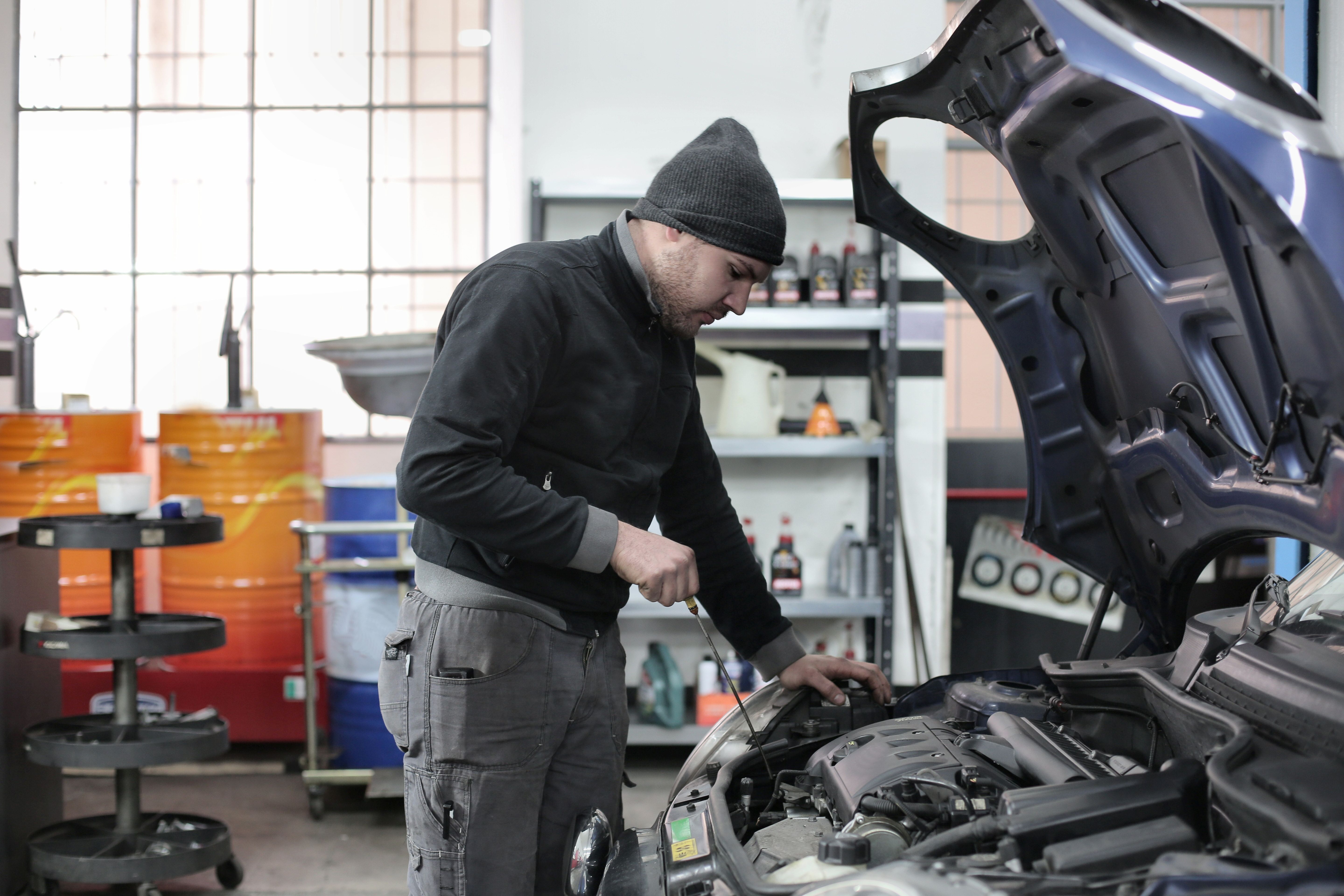
The Most Common Causes of a Rough Idle
A rough idle usually traces back to one of several common problems. Here is what is often behind it:
Worn spark plugs that fail to ignite the fuel consistently, causing misfires and shaking.
Dirty fuel injectors that disrupt the precise fuel delivery an engine needs at idle.
A vacuum leak that allows extra air into the engine and upsets the air and fuel balance.
A dirty throttle body that restricts smooth airflow at low speeds.
A failing idle air control valve that struggles to regulate engine speed at idle.
A clogged air filter that limits the air the engine needs to run smoothly.
How Different Causes Feel Different
The specific way your engine idles roughly can hint at the underlying problem:
A steady shake often points toward misfires from worn ignition parts.
A fluctuating idle that rises and falls can indicate a vacuum leak or air control issue.
A rough idle with hesitation when accelerating often relates to fuel delivery.
A rough idle when cold that improves as the engine warms can point to specific sensor or fuel issues.
According to Consumer Reports’ maintenance guidance, a rough idle is often an early sign of an engine problem that becomes more expensive the longer it is ignored. The U.S. Department of Energy notes that keeping the engine properly tuned supports both smooth operation and fuel economy, and NHTSA’s guidance on vehicle safety systems reinforces that addressing engine warning signs promptly is part of keeping a vehicle dependable.
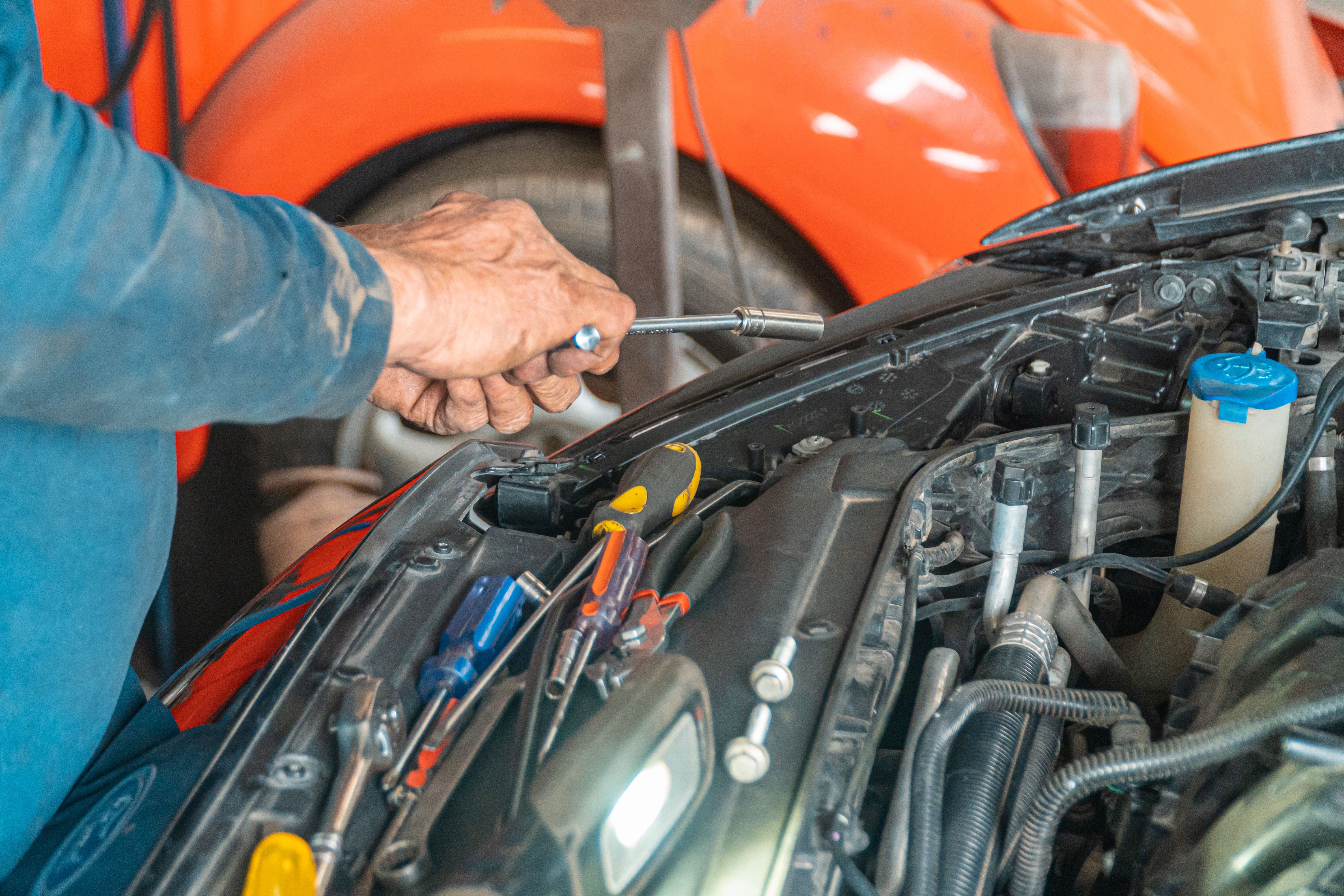
Why You Should Not Ignore a Rough Idle
A rough idle is more than an annoyance, and letting it continue tends to make things worse:
A misfire can eventually damage the catalytic converter
Poor fuel delivery reduces efficiency and wastes money
A small vacuum leak can worsen and affect performance
The underlying cause often escalates into a larger repair
How Professionals Diagnose a Rough Idle
Because several systems can cause a rough idle, accurate diagnosis is essential. A proper approach includes:
Reading stored codes through professional diagnostic service that points toward the affected system.
Inspecting ignition components including spark plugs and related parts.
Checking for vacuum leaks that upset the air and fuel balance.
Evaluating the fuel system to confirm proper delivery before recommending any engine repair.
How to Help Prevent a Rough Idle
While some causes are unavoidable, a few habits reduce the odds of developing a rough idle:
Keep up with tune-ups since fresh spark plugs and ignition parts support a smooth idle.
Replace the air filter on schedule to maintain proper airflow.
Use quality fuel which helps keep the fuel system clean.
Address warning signs early before a small issue grows through regular auto maintenance.
When to Have a Rough Idle Checked
You do not need to wait for the engine to stall before seeking help. A few situations make a prompt check especially worthwhile:
When the check engine light appears alongside the rough idle, since the stored code helps pinpoint the cause.
When the shaking is getting worse rather than staying the same, which suggests a progressing problem.
When you notice a drop in fuel economy that often accompanies the underlying issue.
When the idle feels rough at every start, which points to a consistent fault worth diagnosing.
Scheduling promptly is easy, and you can reach our team through our contact page to set up a visit.
Frequently Asked Questions
Q: Is it safe to drive with a rough idle?
You can often drive a short distance, but you should not ignore the problem. A rough idle usually signals an issue with ignition, fuel, or air delivery that tends to worsen over time. If the rough idle is paired with a flashing check engine light, stalling, or a significant loss of power, it is best to have the vehicle checked promptly.
Q: Why does my engine idle rough only when cold?
A rough idle that appears when the engine is cold and smooths out as it warms up often points to specific sensor or fuel delivery issues that affect cold starts. The engine requires a slightly different air and fuel mixture when cold, so a component that struggles under those conditions can cause the roughness. An inspection can confirm the exact cause.
Q: Can a dirty air filter really cause a rough idle?
Yes, though it is usually one of several contributing factors. A severely clogged air filter restricts the airflow the engine needs, which can upset the air and fuel balance and contribute to a rough idle. Replacing the filter on schedule is an easy, inexpensive step that supports smooth engine operation.
Q: Will a rough idle affect my fuel economy?
Often, yes. Many of the causes of a rough idle, such as worn spark plugs, dirty injectors, or a vacuum leak, also reduce fuel efficiency. That means the problem can quietly cost you money at the pump in addition to the discomfort of a shaking engine. Resolving the underlying cause typically restores both smoothness and efficiency.
Smooth Out Your Idle Today
A rough idle is your engine’s way of asking for attention, so do not let it linger. If your vehicle shakes or stumbles at a stop, give us a call at 708-687-9955. At Vehicle Masters, we have served Oak Forest and the South Suburbs for over 30 years, and our team pinpoints the real cause of a rough idle before recommending any tune-up service. Quality service, competitive pricing, and customer satisfaction. We are highly recommended.