
Some vehicle noises are easy to shrug off, but a harsh metallic grind every time you press the brake pedal is not one of them. That sound is your vehicle telling you, in no uncertain terms, that something is seriously wrong with your brakes. Unlike a squeal, which can sometimes be harmless, a grinding noise when braking almost always means metal is contacting metal, and every stop is causing damage. For drivers in Oak Forest and across the South Suburbs, understanding this sound and acting quickly can prevent a dangerous situation and an expensive repair.
Brakes are designed to wear predictably and to warn you before they reach a dangerous point. A grinding noise means those warnings went unheeded and the system has reached a critical stage. Accurate diagnostic work confirms the true extent of the wear.
Why Grinding Is Different From Squealing
The type of noise your brakes make tells you how urgent the situation is. The distinction is important: A trusted auto shop can confirm which sound you are dealing with.
A squeal often comes from a wear indicator designed to signal that pads are getting low, which is a warning rather than an emergency.
A grind usually means the pads are completely worn and metal is now contacting the rotor.
A squeal gives you time to schedule service before real damage occurs.
A grind means damage is happening with every stop, which is why it demands immediate attention.
What Causes the Grinding Noise
Several specific problems produce that alarming metallic sound. Here is what is usually happening:
Completely worn brake pads that have lost all their friction material, leaving metal backing to contact the rotor.
Damaged rotors that have been scored or grooved by worn pads.
A foreign object such as a rock or debris caught between the pad and rotor.
Worn hardware that allows brake components to contact each other improperly.
Rust buildup that can cause temporary grinding, though persistent grinding points to worn components.
Why You Cannot Ignore It
A grinding noise is not something to monitor or postpone. The consequences of waiting are serious:
Rapidly worsening damage as metal grinds against metal and destroys the rotors.
Skyrocketing repair costs as a simple pad replacement turns into rotor and, sometimes, caliper replacement.
Reduced stopping power that lengthens your stopping distance when you need it most.
A genuine safety hazard since compromised brakes put you and others at risk. Prompt brake service is essential.
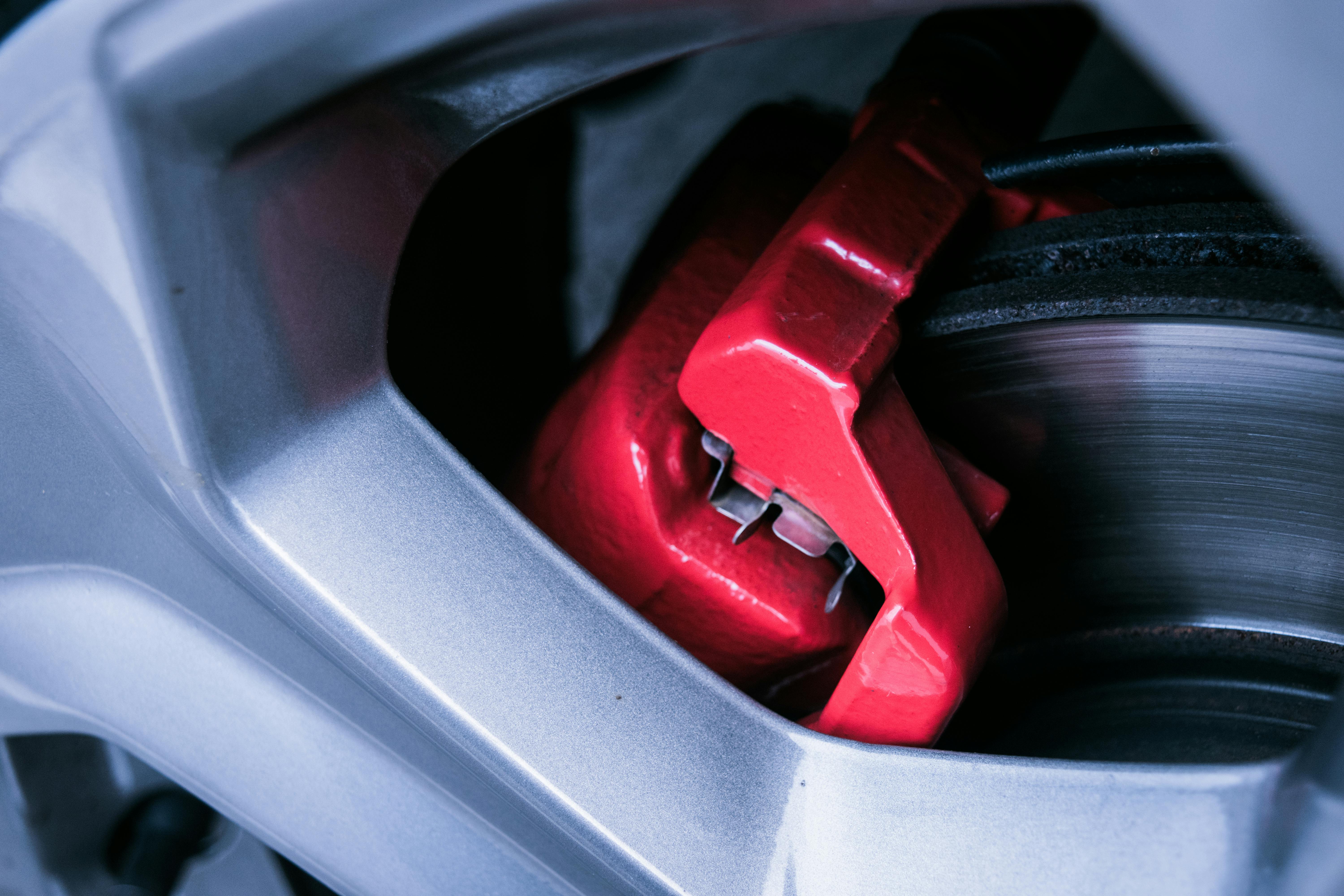
As NHTSA’s vehicle safety guidance emphasizes, the braking system is one of the most safety-critical components of any vehicle, and worn brakes directly affect crash risk. Consumer Reports’ braking research reinforces that catching brake wear early prevents the far more expensive damage that follows neglect, and the Federal Trade Commission reminds drivers that keeping up with brake maintenance is essential to safe, reliable operation.
What to Do When You Hear Grinding
Responding correctly to a grinding noise protects both your safety and your budget:
Reduce your driving as much as possible until the brakes are inspected.
Avoid hard braking when you can, since it accelerates the damage.
Do not postpone service since every stop causes more damage.
Get a prompt inspection to assess the full extent of the wear.
Address related components since worn pads often damage rotors and other parts.

How Professionals Handle Grinding Brakes
A proper brake repair addresses the full extent of the damage, not just the obvious symptom:
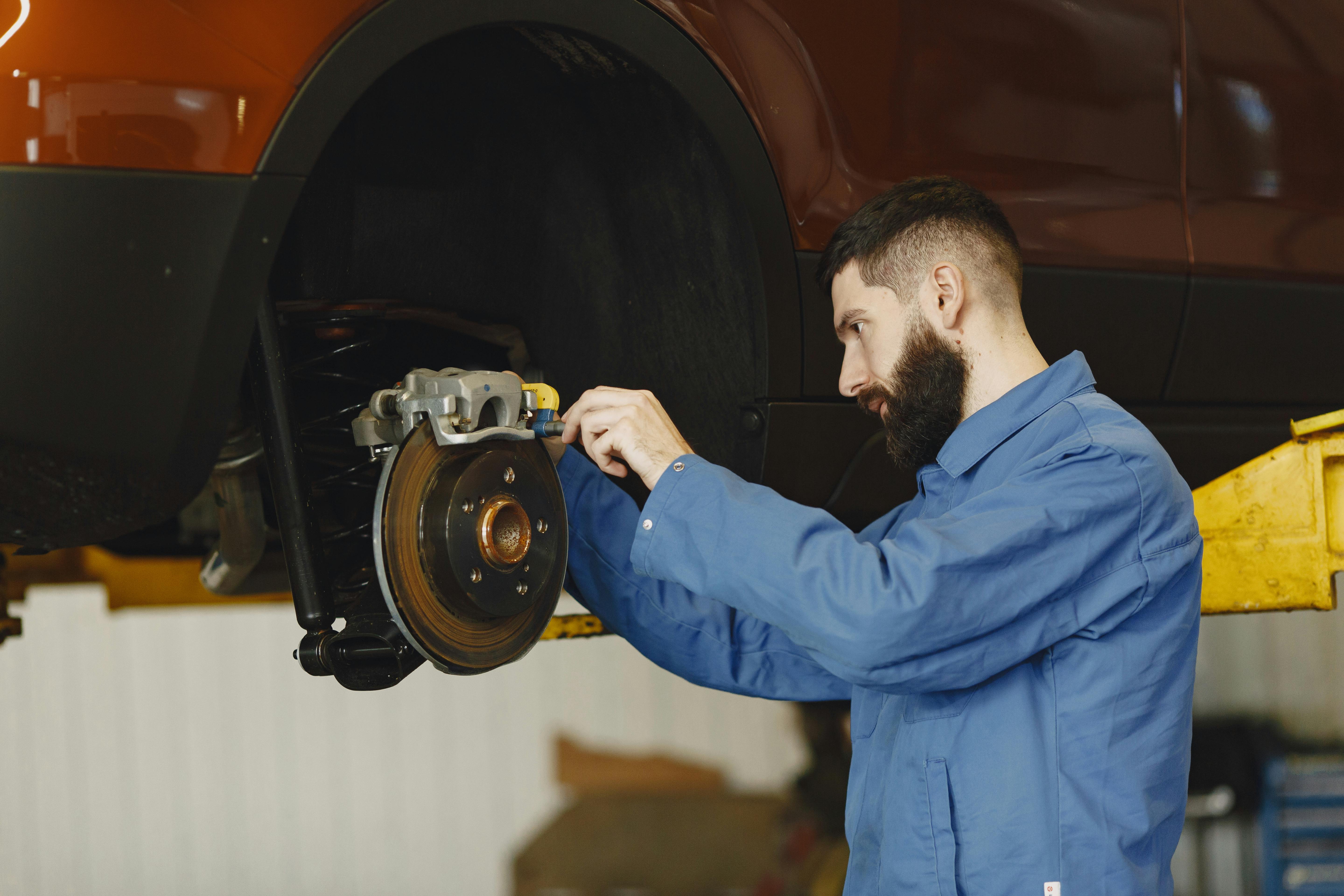
Inspecting the entire system including pads, rotors, calipers, and hardware.
Measuring rotor condition to determine whether they can be resurfaced or must be replaced.
Replacing worn components with quality parts that restore braking performance.
Testing the repair to confirm safe, quiet operation through complete auto repair.
How to Avoid Reaching the Grinding Stage
The best way to handle grinding brakes is to never let them get there. A few habits keep your brakes healthy and quiet:
Respond to squealing early since a squeal is the warning that comes before the grind.
Keep up with brake inspections, which catch worn pads before they damage the rotors.
Brake smoothly to reduce the heat and wear that shorten brake life.
Do not ignore new noises because catching them early keeps repairs simple and affordable.
How Grinding Brakes Affect the Rest of Your Vehicle
The damage from grinding brakes does not stay contained to the pads. Left alone, it spreads to other components:
Rotor damage happens quickly as the metal backing scores the rotor surface.
Caliper strain can result when the braking system operates under abnormal conditions.
Wheel and hub stress increases as braking forces become uneven.
Higher total cost follows as a simple pad job turns into a much larger repair.
Frequently Asked Questions
Q: How long can I drive with grinding brakes?
The honest answer is that you should not drive on them at all if you can avoid it. Every stop with grinding brakes causes more damage and reduces your stopping power. If you must drive to a shop, keep the distance short, avoid hard braking, and get the vehicle inspected as soon as possible.
Q: Will I definitely need new rotors, or just pads?
It depends on how long the grinding has been happening. If the pads wore down to the metal backing, they have likely scored the rotors, which often means the rotors need resurfacing or replacement along with the pads. An inspection with proper measurements determines exactly what the brakes need.
Q: Could the grinding be something other than worn pads?
Occasionally. A rock or piece of debris caught in the brakes can cause temporary grinding, and surface rust can grind briefly after the vehicle sits. However, persistent grinding that happens with every stop almost always means worn components, which is why an inspection is the safest response.
Q: Why do my brakes grind only in the morning or when wet?
A: A brief grinding or grinding-like sound after the vehicle sits overnight or in the rain is often surface rust on the rotors, which usually clears within the first few stops. That is different from persistent grinding on every stop. If the noise disappears quickly, it is likely harmless, but if it continues, it points to worn components that need inspection.
Stop Safely, Starting Today
A grinding noise when you brake is your vehicle’s way of demanding attention, so do not make it wait. If your brakes have started to grind, give us a call at 708-687-9955. At Vehicle Masters, we have served Oak Forest and the South Suburbs for over 30 years, and our team inspects the entire braking system and gives you an honest assessment before recommending any brake repair. Quality service, competitive pricing, customer satisfaction — we are highly recommended.