
When drivers think about brake maintenance, they usually think about pads. But the rotors — the shiny metal discs the pads clamp onto — are just as critical to safe stopping, and they wear out too. Worn rotors don’t just make noise; they directly affect how quickly and safely your vehicle can stop. Learning to recognize signs of worn brake rotors is essential knowledge for any driver who values safety. For drivers in Oak Forest and across the South Suburbs, understanding rotor wear helps you keep your braking system performing the way it should.
Rotors and pads work as a team. When you brake, the pads squeeze the rotors to create the friction that stops your vehicle. If the rotors are worn, that friction suffers — and so does your safety.
How Rotors Wear Over Time
Rotors face constant stress every time you brake, and several factors wear them down:
- Friction and heat — every stop generates heat and gradually wears the rotor surface.
- Normal thinning — rotors slowly lose thickness over their service life until they reach a minimum safe limit.
- Warping from heat — excessive heat can warp rotors, creating an uneven surface.
- Grooving from worn pads — pads left too long can gouge grooves into the rotor surface.
- Corrosion — rust and pitting, common in salt regions, degrade the rotor surface.
The Signs of Worn Rotors
Worn rotors produce recognizable warning signs:
- Vibration when braking — a pulsing felt through the pedal or steering wheel often means warped rotors.
- Squealing or grinding — worn rotors can produce noise, especially paired with worn pads.
- Longer stopping distances — the clearest safety concern, as worn rotors reduce braking effectiveness.
- Visible grooves or scoring — deep marks on the rotor surface indicate significant wear.
- A blue tint — discoloration can indicate the rotor has been overheated.
How Worn Rotors Affect Stopping Distance
This is where rotor wear becomes a genuine safety issue:
- Reduced friction surface — worn or uneven rotors give the pads less to grip, lengthening stops.
- Inconsistent braking — warped rotors cause uneven contact, making braking unpredictable.
- Heat management problems — thin rotors dissipate heat poorly, leading to brake fade under hard use.
- Compromised emergency stops — when you need to stop fast, worn rotors add critical feet. Timely brake serviceprevents this.
According to NHTSA’s vehicle safety guidance, the braking system is among the most safety-critical components of any vehicle, and maintaining it properly is essential to crash prevention. Consumer Reports’ braking research reinforces that rotor condition directly affects stopping performance and shouldn’t be overlooked.
When Rotors Need Replacement
Knowing when to replace rotors keeps your braking safe:
- When they’ve worn below the minimum thickness specification
- When warping causes vibration that resurfacing can’t fix
- When deep grooves or scoring compromise the surface
- Often alongside pad replacement, depending on their condition
How Professionals Assess Rotors
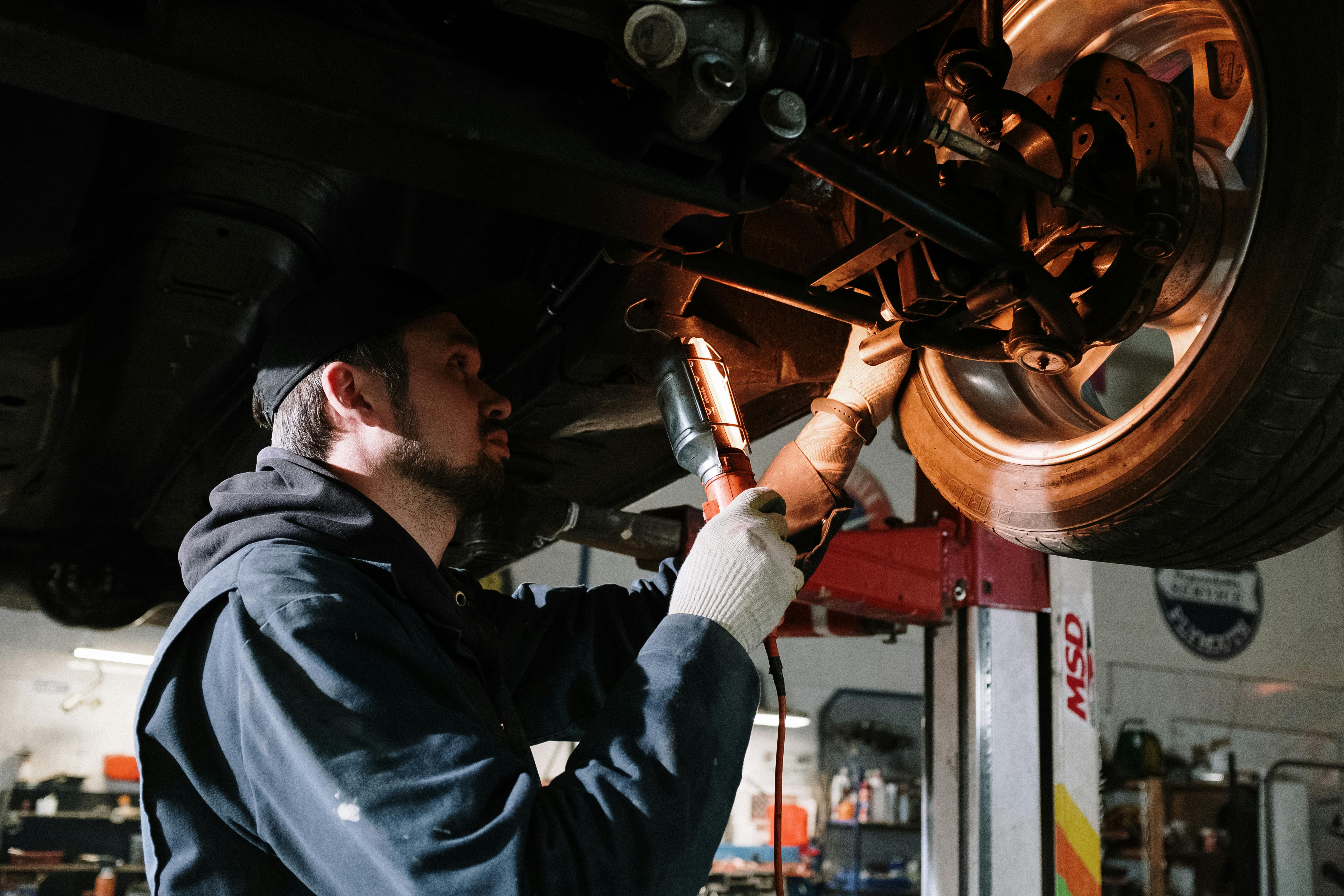
A proper brake inspection evaluates rotors precisely:
- Measuring thickness — comparing against the manufacturer’s minimum specification.
- Checking for warping — testing the rotor surface for evenness.
- Inspecting the surface — looking for grooves, scoring, and corrosion.
- Evaluating the full system — assessing pads, calipers, and hardware through complete auto repair.
Resurfacing Versus Replacing Rotors
When rotors show wear, there are two possible paths, and knowing the difference helps you understand your options:
- Resurfacing —machining the rotor smooth again, possible only if enough thickness remains.
- Replacement —necessary when rotors are below minimum thickness or too damaged to resurface.
- The right choice depends on condition —measurements determine which option is safe.
- Safety comes first —a rotor below spec must be replaced, not resurfaced.
How to Extend the Life of Your Rotors
A few driving and maintenance habits help your rotors last longer and perform better throughout their life:
- Replace pads on time —worn pads gouge and damage rotors when left too long.
- Brake smoothly —gradual braking reduces the heat that warps rotors.
- Avoid riding the brakes —constant light pressure generates damaging heat.
- Keep up with inspections —regular checks catch rotor wear before it becomes unsafe.
Frequently Asked Questions
Q: How do I know if my rotors are worn?
A: Common signs include vibration when braking, squealing or grinding, longer stopping distances, and visible grooves on the rotor surface. Since some of these overlap with pad wear, a proper inspection that measures rotor thickness is the reliable way to confirm rotor condition.
Q: Do I need to replace rotors every time I replace pads?
A: Not always. If the rotors still have enough thickness and are in good condition, they may be fine or able to be resurfaced. But if they’re below the minimum specification, warped, or heavily grooved, replacement is necessary. Measurements taken during the brake job determine the right call.
Q: Can worn rotors really affect how far my car takes to stop?
A: Yes. Worn or warped rotors reduce the effective friction surface and manage heat poorly, both of which lengthen stopping distances and can cause brake fade under hard use. In an emergency stop, that added distance can matter significantly, which is why rotor condition is a genuine safety issue.
The Role of Rotors in Your Overall Braking System
Rotors are just one part of a braking system where every component depends on the others working correctly:
- Pads and rotors together —the two create the friction that stops your vehicle.
- Calipers apply the force —worn calipers affect how evenly rotors wear.
- Hardware keeps it stable —clips and mounting hardware prevent vibration and uneven wear.
- A system approach matters —inspecting the whole system ensures every part supports safe braking.
- Confidence in every stop —a properly maintained braking system responds predictably when you need it.
- Protection for other parts —healthy rotors reduce strain on pads and calipers, extending their life.
- Peace of mind —knowing your brakes are in top condition removes a real source of worry.
Stop Safely, Every Time
Your ability to stop quickly and safely depends on rotors in good condition. If you’ve noticed vibration, noise, or longer stops, give us a call at 708-687-9955. At Vehicle Masters, we’ve served Oak Forest and the South Suburbs for over 30 years, and our team measures and inspects your rotors thoroughly before recommending any brake repair. Quality service, competitive pricing, customer satisfaction — we’re highly recommended.