
It’s an unsettling feeling: you press the brake pedal, and instead of stopping straight, your vehicle veers to one side. A car that pulls when braking isn’t just annoying — it’s a genuine safety concern that can make emergency stops dangerous and unpredictable. The good news is that this specific symptom points to a relatively focused set of causes, which makes it easier to diagnose than a more general handling problem. For drivers in Oak Forest and across the South Suburbs, knowing what to check is the first step toward a safe fix.
A vehicle that pulls only when braking is telling you that one side of the braking system is behaving differently from the other. That imbalance is what causes the pull.
Why a Vehicle Pulls Specifically When Braking
Understanding the mechanics explains why this symptom is so revealing:
- Uneven braking force — if one side brakes harder than the other, the vehicle pulls toward the stronger side.
- A braking-specific symptom — because it only happens when braking, the cause usually lies in the brake system itself.
- Side-to-side imbalance — the issue is a difference between the left and right sides, not a general problem.
- A safety concern — the pull can worsen during hard stops, exactly when control matters most.
The Most Common Brake-Related Causes
These are the usual culprits behind a braking pull:
- A sticking caliper — a caliper that doesn’t apply or release evenly causes one side to brake harder.
- Uneven pad wear — pads worn differently side to side create unequal braking force.
- A collapsed brake hose — a damaged hose can restrict fluid flow to one wheel, causing uneven braking.
- Contaminated pads — oil or fluid on one side’s pads reduces friction unevenly.
- Uneven rotor wear — different rotor conditions side to side affect braking balance. Prompt brake serviceresolves these.
Suspension and Steering Factors
Sometimes the pull involves components beyond the brakes:
- Worn suspension parts — failing components can allow the vehicle to shift under braking forces.
- Alignment problems — poor alignment can contribute to a pull that becomes more noticeable when braking.
- Uneven tire pressure — significantly different pressure side to side can affect how the vehicle behaves.
- Steering component wear — looseness in the steering can amplify a braking pull.
As NHTSA’s safety guidance makes clear, braking and steering are safety-critical systems, and any change in how a vehicle stops warrants prompt attention. Consumer Reports’ maintenance research adds that a braking pull often involves multiple interacting components, which is why accurate diagnosis matters.
Why You Shouldn’t Delay
A braking pull is a safety issue that tends to get worse:
- The pull can intensify during hard, emergency braking
- A sticking caliper can cause overheating and further damage
- Uneven braking accelerates wear on one side
- Compromised braking control raises the risk of a collision
How the Cause Is Diagnosed
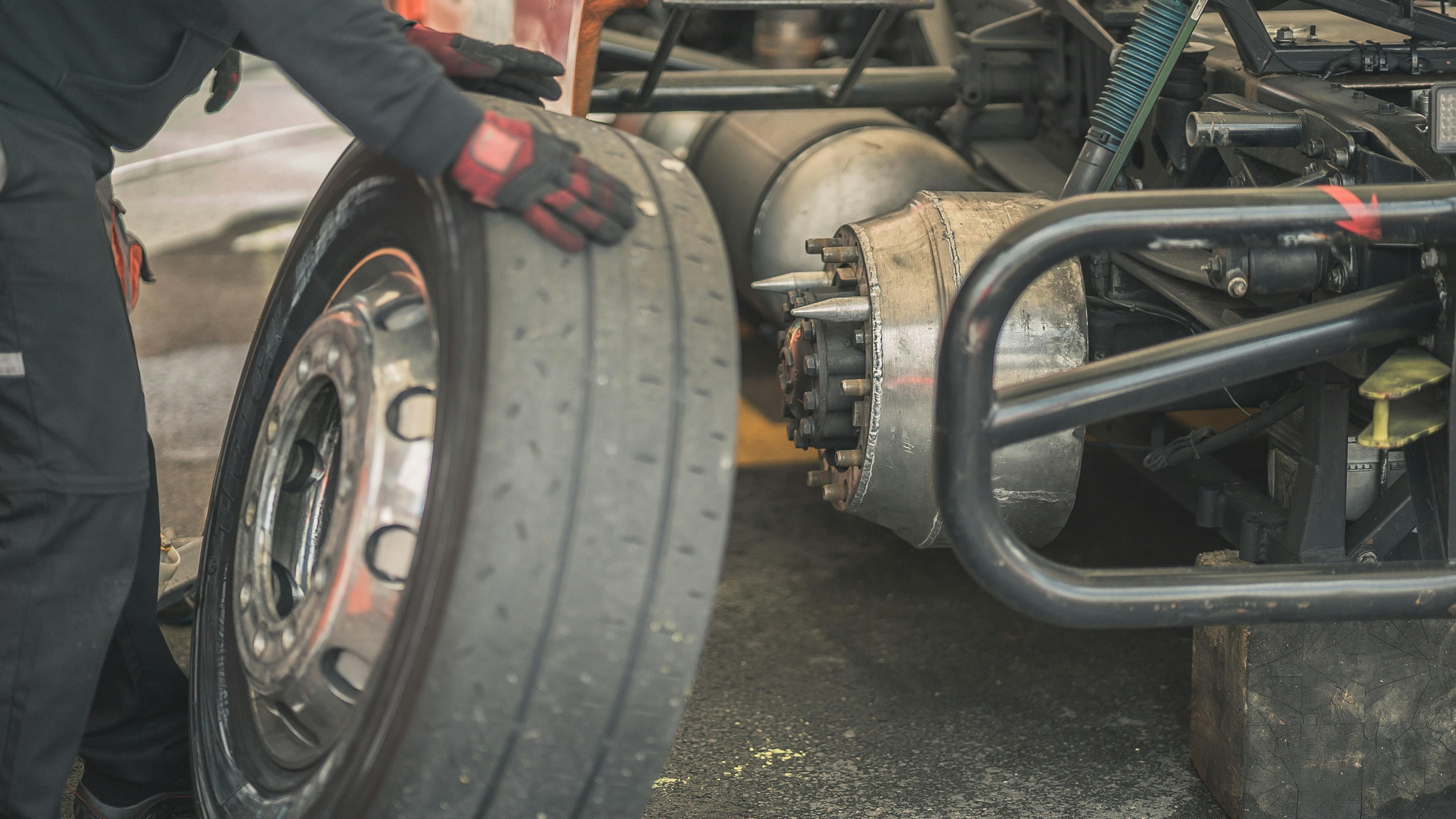
Finding the source of a braking pull requires a systematic inspection:
- Inspecting the calipers — checking that both apply and release evenly.
- Comparing pad and rotor wear — looking for side-to-side differences.
- Checking brake hoses and fluid flow — confirming even hydraulic operation.
- Evaluating suspension and alignment — ruling out related factors through thorough mechanical inspection.
How Road Salt Contributes to Braking Problems
For drivers who face salted winter roads, corrosion is a frequent and underappreciated cause of uneven braking:
- Corroded brake lines —salt exposure can restrict or damage the lines that carry brake fluid.
- Sticking calipers —corrosion can cause a caliper to bind and apply unevenly.
- Rusted components —salt accelerates wear on hardware and mounting points.
- Uneven effects —corrosion rarely affects both sides equally, creating imbalance.
Why a Braking Pull Is Different From a Steering Pull
Not every pull is a braking problem, and telling them apart helps point toward the right diagnosis:
- A braking pull —only appears when you press the brake pedal, pointing to the brake system.
- A constant pull —happens even without braking, usually indicating alignment or tires.
- The distinction matters —it directs the diagnosis toward the correct system.
- Professional testing confirms it —reproducing the pull under controlled conditions isolates the cause.
Frequently Asked Questions
Q: Why does my car pull to one side only when I brake?
A: A braking pull means one side of the braking system is applying more force than the other. Common causes include a sticking caliper, uneven pad or rotor wear, or a collapsed brake hose restricting fluid to one wheel. Because it only happens when braking, the cause almost always lies in the brake system itself.
Q: Is it safe to drive if my car pulls when braking?
A: It’s risky. A braking pull can intensify during hard, emergency stops — exactly when you need full control. It can also indicate a sticking caliper that may overheat and cause further damage. It’s best to have the cause diagnosed promptly rather than continuing to drive with compromised braking.
Q: Could the pull be an alignment problem instead?
A: Possibly, but there’s a key distinction. A braking pull appears only when you press the brake pedal, pointing to the brake system. A constant pull that happens even without braking usually indicates alignment or tire issues. Identifying when the pull occurs is the first step toward the right diagnosis.
Why Braking Balance Matters for Safety
A vehicle that brakes evenly on both sides is a vehicle you can control confidently, and that balance is worth protecting:
- Even braking means predictable stops —you can trust the vehicle to stop straight.
- Imbalance grows over time —a small pull tends to worsen as wear continues.
- Emergency stops depend on it —balanced braking is critical when you need to stop fast.
- Regular inspection maintains it —routine checks keep both sides of the system in balance.
Stop Straight and Drive Safely
A vehicle that pulls when you brake needs attention before it becomes a serious hazard. If you’ve felt your car veer during stops, give us a call at 708-687-9955. At Vehicle Masters, we’ve served Oak Forest and the South Suburbs for over 30 years, and our team pinpoints the exact cause of the pull before recommending any auto repair. Quality service, competitive pricing, customer satisfaction — we’re highly recommended.